
How to Build Impressive Structures with Architecture Wooden Building Blocks
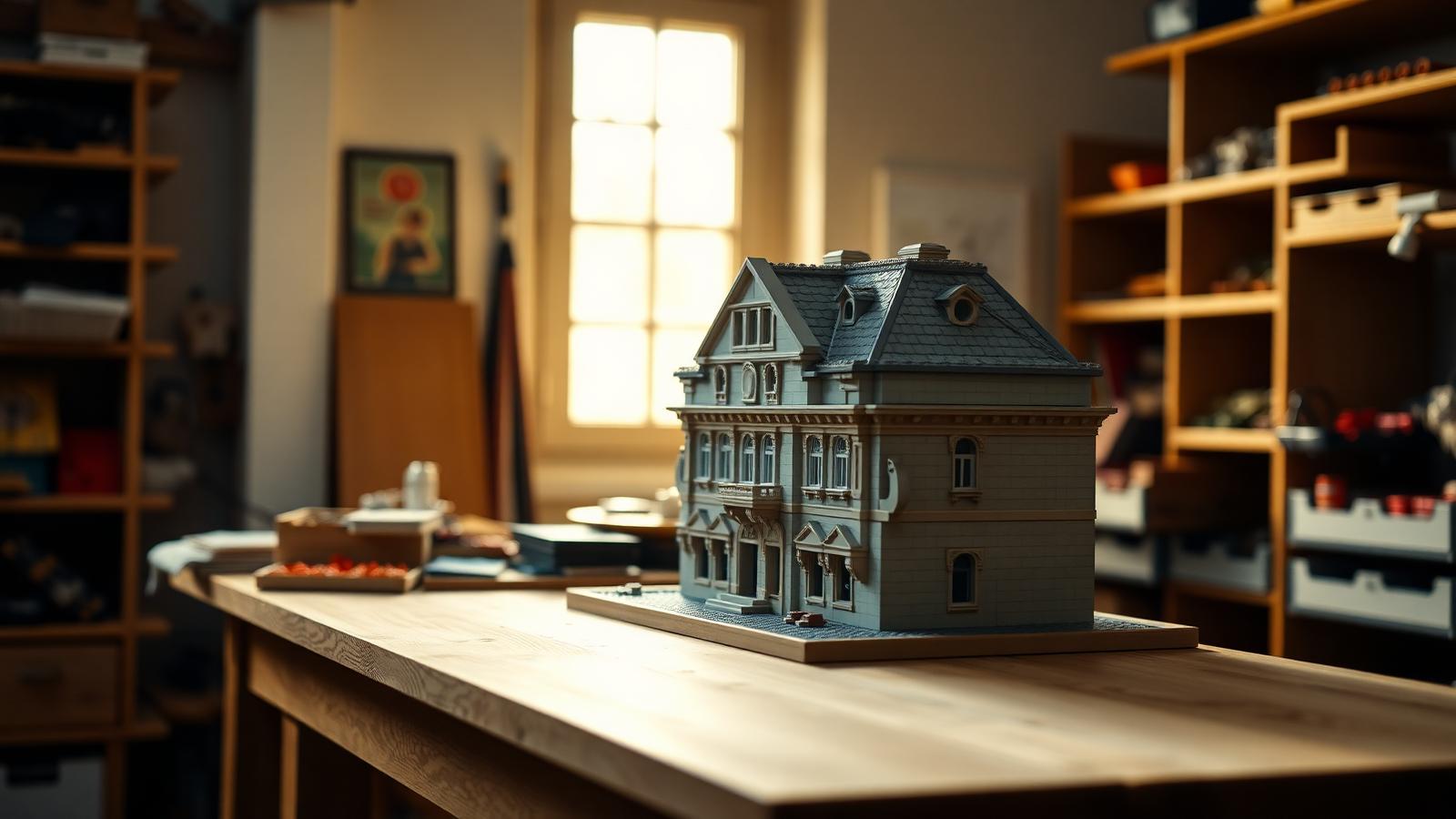
Quick answer: To build impressive structures with architecture wooden building blocks, plan your design on paper, sort your pieces by type and size, lay a stable foundation, build walls systematically, and finish with decorative details. Choosing the right set for your skill level makes the whole process more rewarding.
Architecture building blocks have quietly become one of the most talked-about hobbies across Europe and North America. Walk into any hobbyist forum, scroll through Reddit's r/lego or r/architecture, or browse YouTube build channels — and you'll find thousands of adults and families spending hours constructing detailed miniature structures, from Gothic cathedrals to modernist city towers.
There's something deeply satisfying about turning a pile of small pieces into something that looks like a real building. The focus required to follow a complex build pushes out the noise of a busy day. And when the final piece clicks into place, the result is something you can display on a shelf and feel genuinely proud of.
This guide is written for hobbyists and families who want to get more out of their architecture wooden building blocks — whether you're picking up your first set or looking to level up your technique. We'll walk through how to choose the right set, how to approach a build step by step, and how to get cleaner, more impressive results every time.
What Are Architecture Wooden Building Blocks?
Architecture wooden building blocks are structured building systems designed to help hobbyists, families, and creative minds construct realistic architectural models — ranging from simple house facades to intricate replicas of world landmarks.
Unlike standard children's toy blocks, architecture-focused sets are engineered with precision. Pieces interlock with tight tolerances, come in varied shapes to represent architectural elements (arches, columns, panels, roof tiles), and are built to a consistent scale so your finished model looks proportional and display-ready.
The "wooden" in the name sometimes refers to the warm, natural aesthetic many of these sets evoke — though many high-quality sets today are made from durable ABS plastic, designed to replicate the clean, tactile quality of traditional wooden construction toys. What they share with wooden block toys is the same hands-on, screen-free, creativity-driven experience that has made building sets popular across generations.
For a deeper look at how classical designs translate into brick form, see our companion piece on learning real architecture through brick building.
How to Choose the Right Set for Your Architecture Project
Before you place your first brick, spend some time choosing a set that matches your goals, skill level, and available space. A poorly matched set leads to frustration. The right one leads to flow.
What skill level are you building for?
Beginner sets (under 500 pieces) are ideal for children aged 7 and up or adults new to architectural builds. They introduce key structural concepts — foundations, wall locking, basic rooflines — without overwhelming complexity.
Intermediate sets (500–2,000 pieces) suit hobbyists who've completed a few builds and want more challenge. These sets introduce techniques like staggered brickwork, layered facades, and multi-level construction.
Advanced and collector-grade sets (2,000+ pieces) are designed for experienced builders who want a long, immersive project with display-quality results. If you want to explore this level, our famous-structures examples guide is a good starting point.
What do you want to build?
Think about the architectural style that excites you. Medieval castles, modernist city skylines, classical European buildings, and famous world landmarks all have different structural demands. Choosing a subject you're genuinely interested in keeps motivation high through the longer, more repetitive stages of a build.
Consider your display space
Large models need large shelves. Before committing to a 3,000-piece build, measure where you plan to display it. Some of the most impressive sets can span 50–80cm when completed.
Step-by-Step Guide: How to Build Architectural Structures with Wooden Building Blocks
Follow these five steps to get cleaner, stronger, and more impressive results — regardless of which set you're working with.
Step 1: Plan Your Design
Even when working from an included instruction booklet, planning ahead changes the outcome. Read through the full instruction booklet once. Get a feel for how the build evolves — where the foundation goes, how the walls connect, where the most complex sections appear.
If you're building an original design, sketch it first. A simple grid-paper drawing helps you estimate piece quantities and spot structural weak points before they become real problems mid-build. For MOC (my-own-creation) planning, our software architecture principles for better MOCs applies the same discipline.
Step 2: Sort and Organize Your Pieces
This step gets skipped more than any other. Don't skip it.
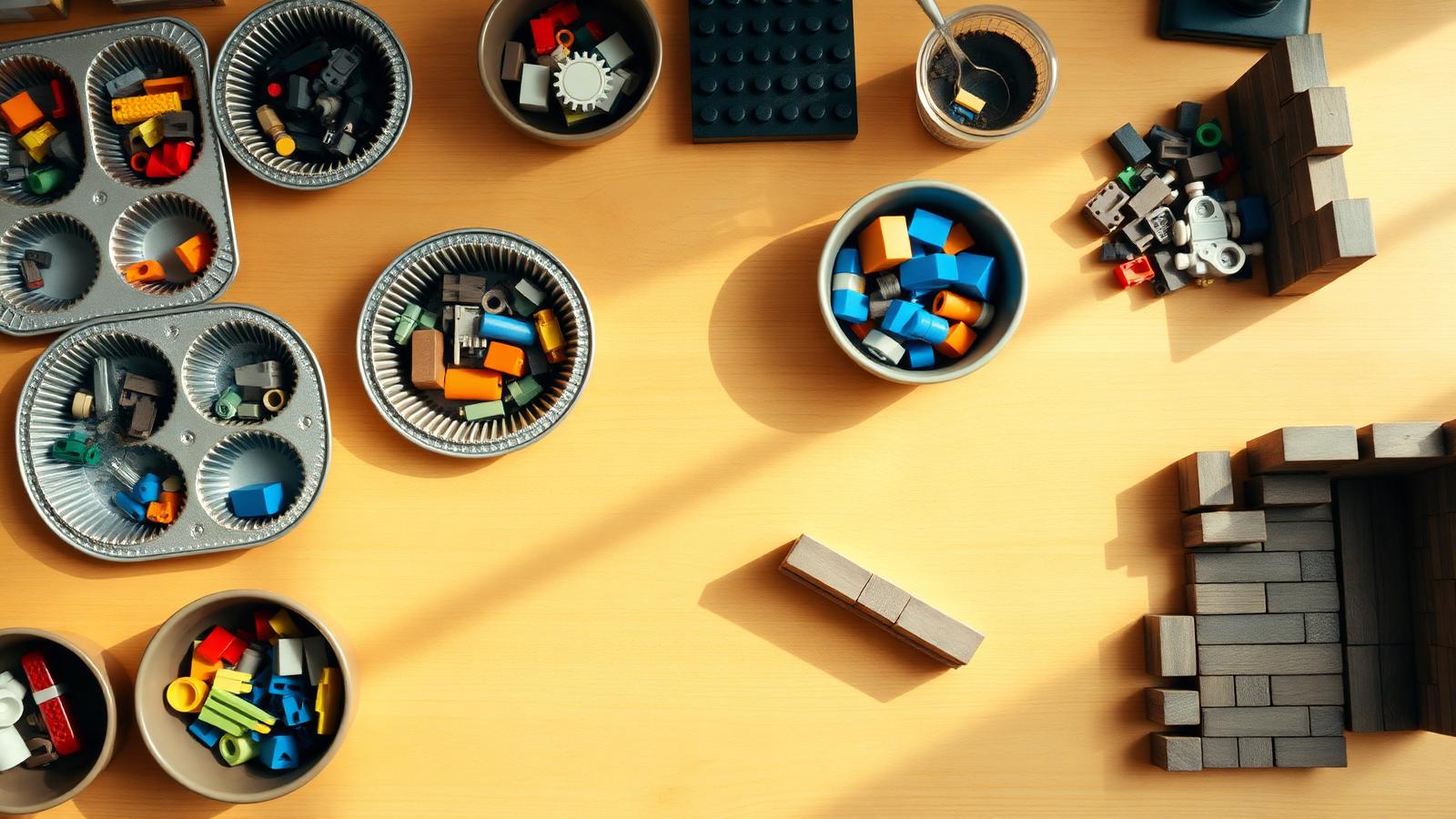
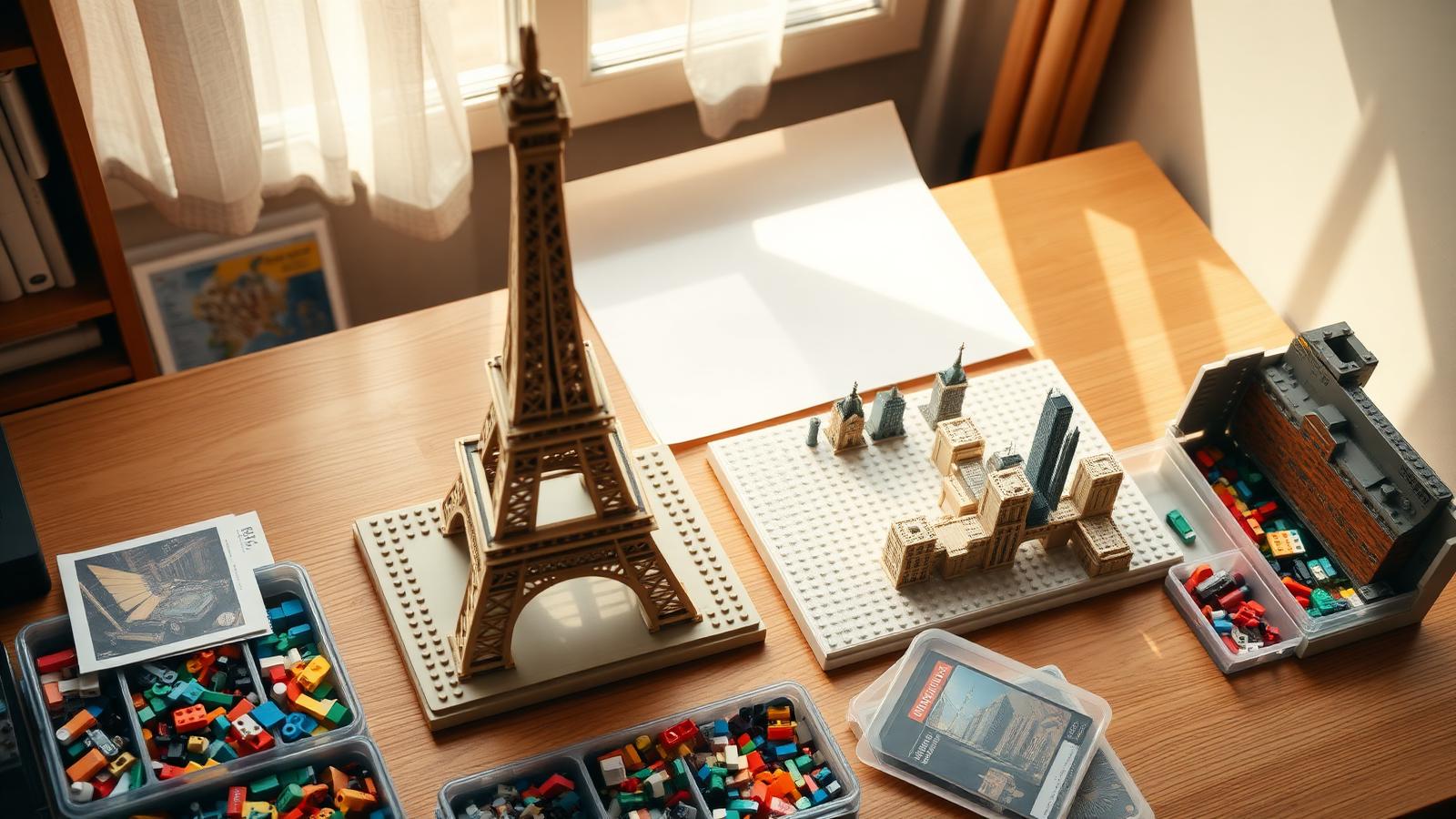
Sorting your pieces before building dramatically reduces time spent searching mid-build. Sort by type first (flat plates, bricks, slope pieces, decorative elements), then by color within each type. Use small bowls, a muffin tin, or a dedicated brick sorting tray. Lay everything out on a clean, flat surface with good lighting.
Step 3: Build the Foundation
The foundation is the most structurally critical part of any architectural build. If it's off by even a row, errors compound upward through every subsequent layer. Always build the foundation on a flat, stable surface. Use a baseplate or the building's designated ground-level plate as your starting reference.
For larger builds, the foundation often spans multiple interlocking baseplates. Make sure these connect cleanly and sit flush before building upward.
Step 4: Construct Walls and Structural Elements
With a solid foundation in place, work upward in horizontal layers. Complete each full course (row of bricks) before moving to the next.
For architectural realism, use staggered brickwork — offset each row so joints don't align vertically. This is how real walls are built, and it makes a visible difference to how finished your model looks. Structural corners are the most important detail to get right — use longer bricks at corners to interlock adjacent walls.
Step 5: Add Architectural Details and Finishing Touches
This is where a good build becomes a great one. Architectural details — roof trim, column capitals, window sills, decorative facade elements — are what make a finished model look like a miniature building rather than a stack of bricks.
Work slowly here. Step back regularly and view the model from normal display distance (roughly 1–2 metres). Roof construction deserves special attention: slope pieces need to be placed consistently and symmetrically.
Tips for Getting the Most Out of Your Architecture Wooden Building Blocks
- Use good lighting. A well-lit workspace reduces eye strain and helps you spot subtle color differences.
- Build with breaks. A 5-minute break every hour keeps your attention sharp.
- Photograph your progress. Documenting your build in stages is useful if you ever need to disassemble and rebuild a section.
- Don't force pieces. If a piece isn't seating cleanly, stop and check the orientation before applying pressure.
- Connect with the community. Builders who share their work online get better faster.
For studio-scale techniques, see our studio-style architecture model guide and the LEGO Architecture Studio walkthrough.
Why BrickHobby Is a Smart LEGO Alternative for Architecture Builds
BrickHobby was designed in Lisbon with a specific goal: to make architecture building sets that are accurate, affordable, and genuinely display-worthy. Every BrickHobby landmark model begins as a photogrammetry scan of the real building. Designers then translate those scans into brick form — roof tiles, stonework, window proportions — stud by stud.
The bricks themselves are made from premium ABS, with tight clutch, fade-resistant colors, and numbered builder bags for organized assembly. For families, BrickHobby also offers chunky, safety-tested starter sets sized appropriately for younger children. Browse the full Architecture & Landmarks collection or jump straight to the shop.
Frequently Asked Questions
What are architecture wooden building blocks, and how are they different from regular toy blocks?
Architecture wooden building blocks are structured building systems designed to help builders create realistic architectural models — houses, landmarks, city buildings, and more. Unlike basic toy blocks, they include specialized pieces (arches, slope tiles, facade panels) and are built to a consistent scale, so finished models look proportional and display-ready.
What age is appropriate for architecture building block sets?
Starter sets with chunky, larger pieces are suitable for children aged 5 and up. Intermediate sets (500–2,000 pieces) are best for ages 12 and above. Advanced collector-grade sets (2,000+ pieces) are designed primarily for adult hobbyists.
How long does it take to build an architecture landmark model?
A 500-piece set typically takes 2–4 hours. A 2,000-piece intermediate set may take 8–12 hours. Large collector-grade sets (5,000+ pieces) can take 20–40 hours spread over multiple sessions.
Are BrickHobby bricks compatible with LEGO bricks?
BrickHobby bricks are designed to the same standard stud dimensions used across the building block industry, which means they are generally compatible with LEGO. For best clutch and color consistency on display-quality builds, we recommend building within a single system.
How should I display and care for a completed model?
Display on a flat, stable surface away from direct sunlight, which can cause color fading. Dust regularly with a soft, dry brush or a low-power air blower. Avoid humid environments. For long-term preservation, some collectors use acrylic display cases.
---
Looking for a LEGO alternative? BrickHobby offers a full range of architecture-grade LEGO-compatible building block sets — from starter kits to 12,000-piece collector landmarks. If you'd like to order, contact our customer service team and we'll help you pick the right set and place your order.
Ready to build this yourself?
BrickHobby sells high-quality LEGO-alternative building block sets — the same brick standard, a fraction of the price. Browse our in-stock sets and simply contact our customer service team to place your order; we will confirm availability, pricing and worldwide shipping for you.
Keep reading
Architecture & Landmarks
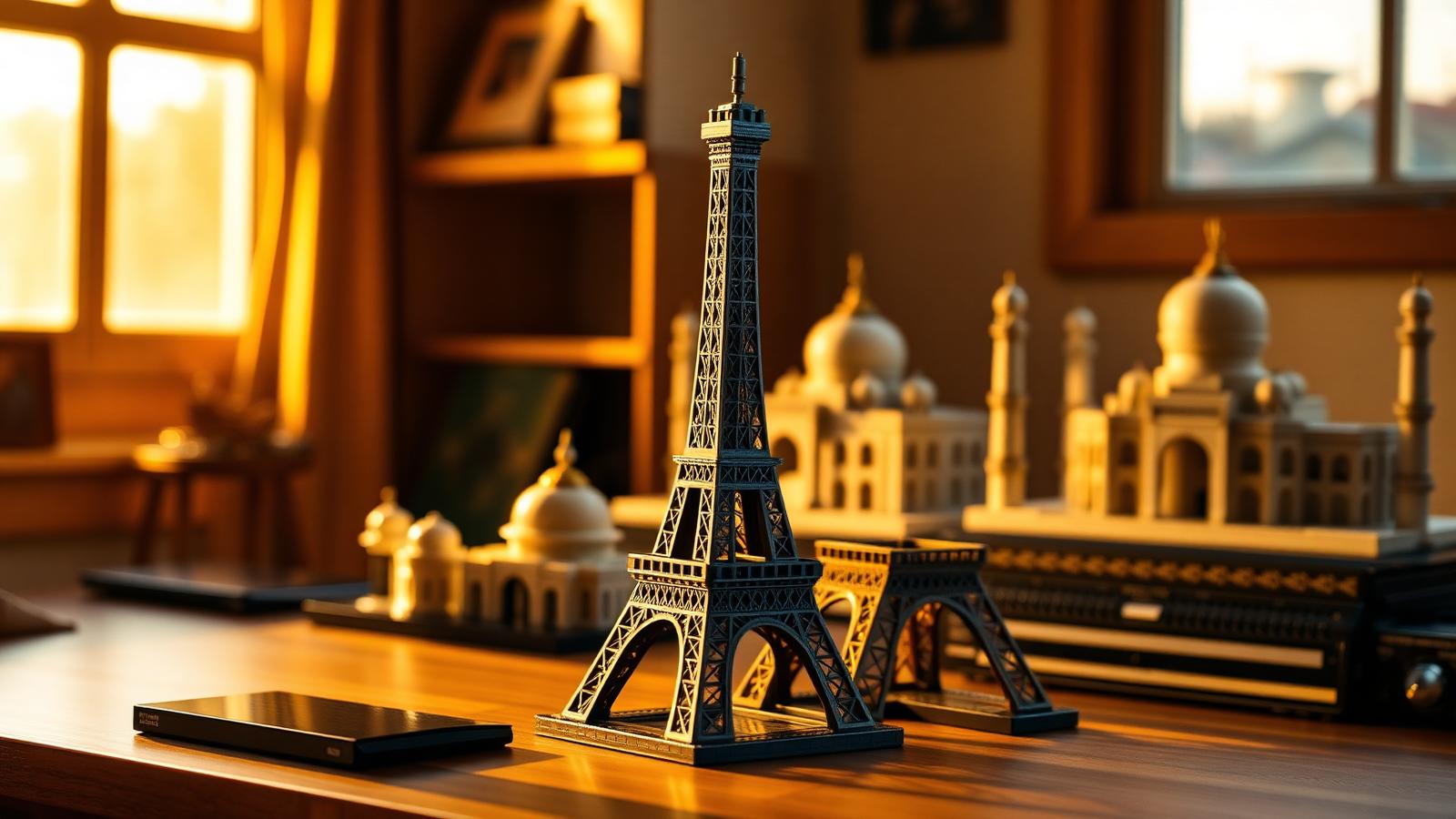
Build Impressive Landmarks with Building Blocks Landmark 5 Sets
A hobbyist and family guide to building blocks landmark 5 sets — how to choose, sort, and build display-quality Eiffel Tower, Colosseum, and Taj Mahal models with BrickHobby as a LEGO alternative.
Architecture & Landmarks
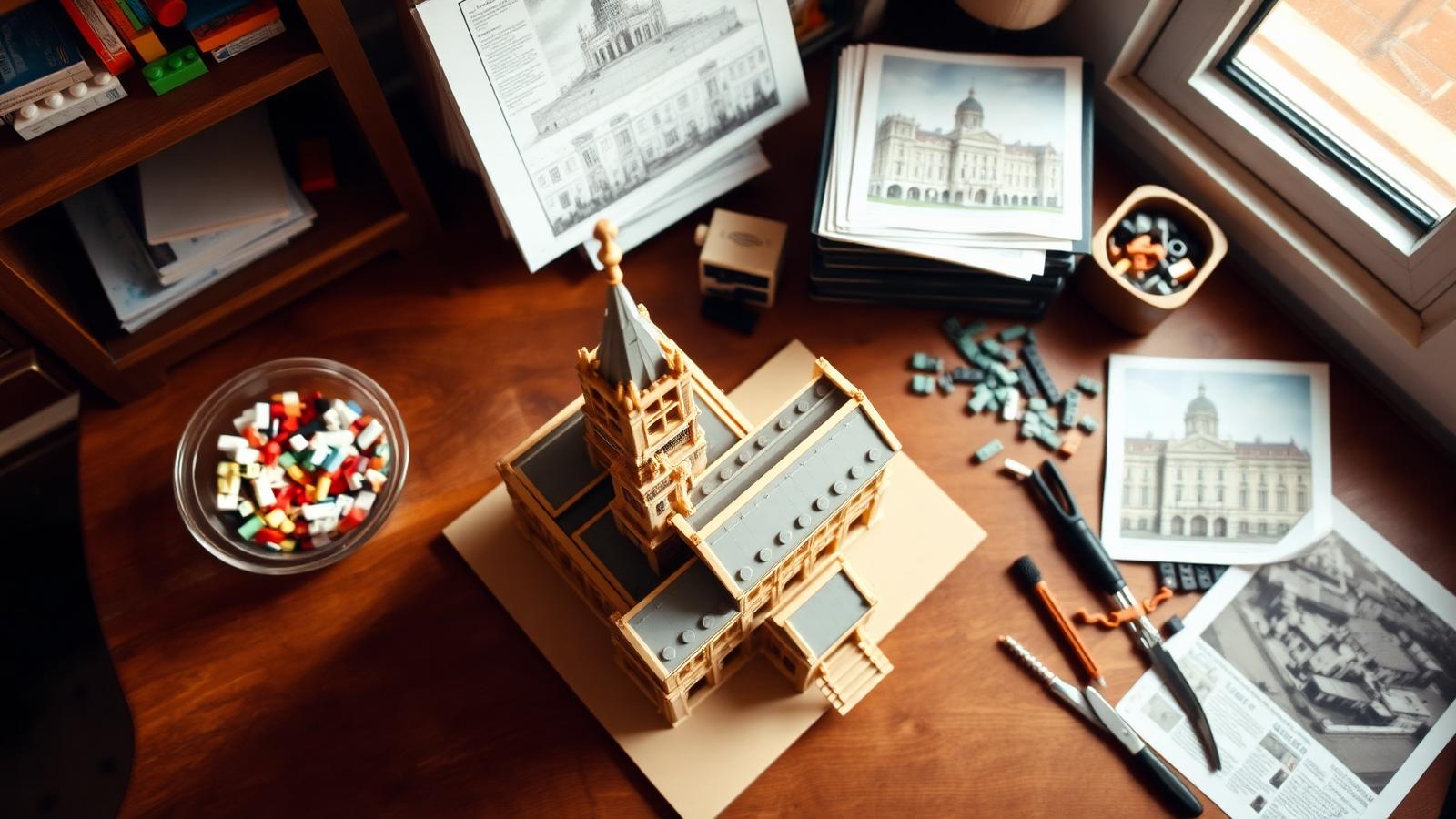
How to Build Stunning Architectural Models with ABB Architecture Building Blocks
ABB architecture building blocks let hobbyists turn a love of buildings into display-worthy models. A complete builder's guide — planning, execution, choosing quality bricks, and showcasing the finished piece.
Architecture & Landmarks
How to Build Impressive LEGO Architecture Models: A Hobbyist's Guide
LEGO architecture building blocks let hobbyists recreate iconic landmarks and cityscapes with precision. A complete guide to planning, building, and displaying architectural brick models — plus tips on choosing high-quality LEGO alternative bricks.