
How to Build Impressive LEGO Architecture Models: A Hobbyist's Guide
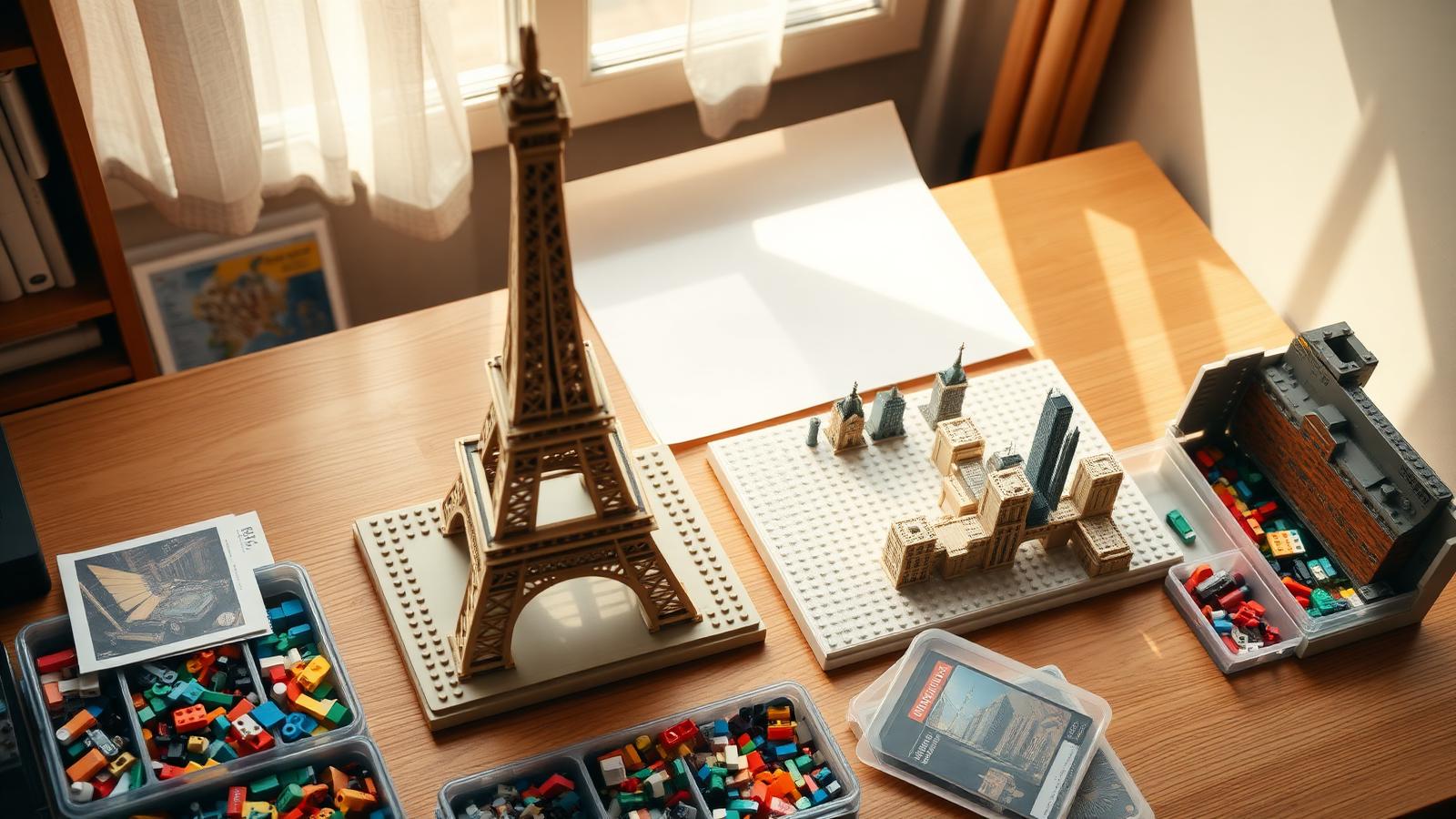
TL;DR: LEGO architecture building blocks let hobbyists recreate iconic landmarks and cityscapes with precision and creativity. This guide covers everything from planning your build to displaying the finished model — plus tips on choosing high-quality LEGO alternative bricks from brands like BrickHobby.
Few hobbies combine creativity, patience, and genuine craftsmanship the way architectural brick building does. Across Europe and North America, a growing community of adult hobbyists, collectors, and families has discovered that assembling a skyline or landmark from scratch offers something screens simply cannot — a tangible, display-worthy result you built with your own hands.
The appeal is easy to understand. You sit down at your table, sort your pieces, follow a plan, and — brick by brick — something remarkable takes shape. For IT professionals unwinding after a long shift, for parents sharing a weekend with their children, for collectors who want something meaningful on their shelves: architectural building sets meet all of them where they are.
This guide is here to help you do it well. We hope you find the techniques, planning advice, and brick recommendations genuinely useful — whether this is your first landmark build or your fifteenth.
Why Are LEGO Architecture Building Blocks So Popular Right Now?
The numbers tell part of the story. The global construction toy market was valued at over $10 billion in 2023, with adult hobbyist segments growing faster than children's categories. Architecture-themed sets — those recreating real-world landmarks like the Eiffel Tower, Colosseum, or Empire State Building — rank among the most purchased sets by adult collectors.
But the numbers only go so far. Talk to builders in community forums across Reddit, Facebook groups, or BrickLink, and the reasons are more personal. Building reduces stress. It requires focus without pressure. The end product sits on your shelf as proof of hours well spent. Unlike a video game achievement or a finished Netflix series, a completed architectural model is something you can actually see, share, and display.
In Europe, architectural building culture has deep roots — partly because so many iconic structures are nearby. A hobbyist in Paris building a brick Eiffel Tower carries a different kind of connection to the subject. In North America, urban skylines and historical landmarks inspire similar enthusiasm, with sets recreating everything from the Statue of Liberty to modern glass-and-steel high-rises.
The hobby has also grown because the bricks themselves have improved. Tighter clutch, fade-resistant colors, better instruction design — these aren't small things. They're what separates a frustrating build from an enjoyable one. For a deeper look at how architectural design principles map onto brick form, our guide on the building blocks of architecture is a good next read.
Getting Started: What You Need Before You Build
Before you open your first bag of bricks, a little preparation goes a long way.
What tools and materials do you need for an architecture brick build?
You don't need much. But getting these basics right makes the process significantly smoother:
- A flat, well-lit workspace. Natural light is ideal for sorting colors. A dedicated table you don't have to clear between sessions saves time.
- Sorting trays or shallow bowls. Grouping bricks by color and type before building reduces frustration. Many builders use ice cube trays or small craft containers.
- The instruction manual, printed or on-screen. Some builders prefer a tablet propped beside their workspace. Others print key pages. Either works — just make sure it's readable at arm's length.
- Tweezers for small pieces. Specialty bricks used in architectural details can be fiddly. A pair of craft tweezers helps place them precisely.
- A brick separator tool. Mistakes happen. A separator lets you correct them without damaging your pieces.
One thing worth mentioning: your patience is also a tool. Large architectural sets can have 2,000 to 12,000 pieces. There is no shortcut worth taking. We hope you give yourself the time to enjoy the process, not just the result.
Step-by-Step: How to Plan Your Architecture Build
Planning is where most beginners skip ahead and most experienced builders slow down. The difference in outcome is significant.
Step 1: Choose a subject that genuinely interests you
This sounds obvious, but it matters more than people expect. If you're indifferent to your subject, motivation drops around the halfway mark. Choose a landmark, skyline, or structure you feel something about — a place you've visited, a building you admire, or a city that holds meaning. Our roundup of famous architecture building blocks examples is a good place to browse subjects.
Step 2: Study the real structure before building the model
Spend twenty minutes looking at reference photos of your subject. Notice the proportions, the texture of the facade, the relationship between height and width. When you understand the real building, you'll make better decisions during the build — and spot errors before they compound.
Step 3: Review the instruction manual in full before starting
Flip through the entire guide once before touching a brick. This gives you a mental map of the build sequence, flags any techniques you haven't used before, and prevents surprises mid-build.
Step 4: Sort your bricks by bag and stage
Most sets organize bricks into numbered bags that correspond to build stages. Keep bags sealed until you reach that stage. Mixing all the pieces at once creates unnecessary confusion and slows you down.
Step 5: Identify structural milestones
Break the build mentally into phases — foundation, lower structure, upper structure, facade details, finishing elements. Recognizing these stages gives you natural stopping points and a sense of progress.
Step-by-Step: How to Execute Your Build Like a Pro
With your workspace ready and plan in place, execution comes down to technique and habit.
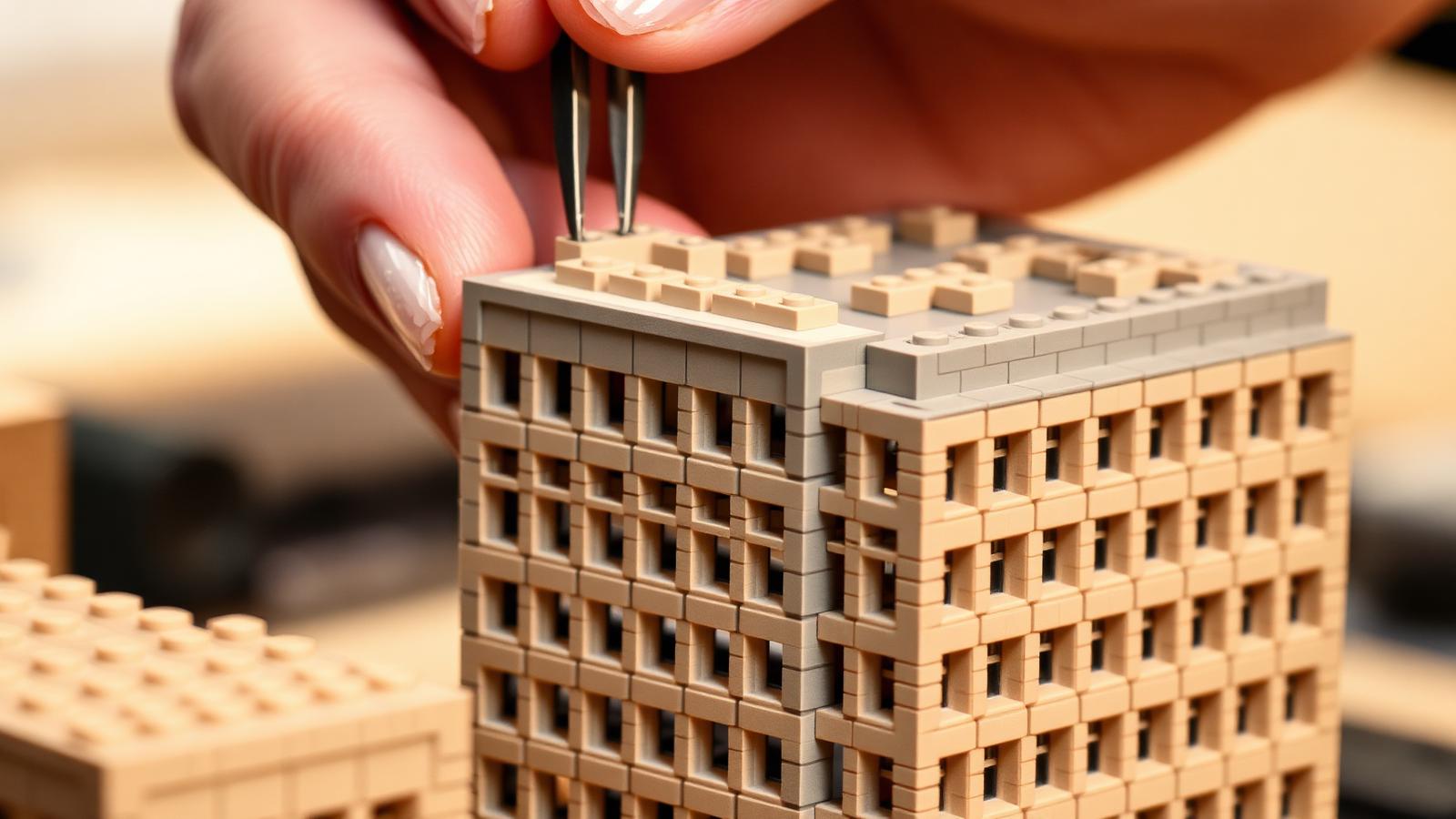
Build on a stable baseplate first
Architectural builds often start from a baseplate foundation. Make sure it's locked flat before adding height. A slightly warped or loose base causes alignment issues that worsen the taller your build gets.
Use SNOT (Studs Not On Top) techniques for surface texture
SNOT is a widely-used building technique where bricks are oriented sideways to create smooth, textured, or angled surfaces. It's the key to recreating architectural details like stonework, window frames, and angled rooflines. If you haven't used SNOT before, practice the technique with spare bricks before applying it to your main build. Our walkthrough of LEGO Architecture Studio techniques covers SNOT in more detail.
Check alignment every ten to fifteen layers
As vertical builds rise, tiny misalignments accumulate. Every ten to fifteen layers, step back and check that your build is square. A small adjustment now prevents significant rework later.
Work in good light and take breaks
Eyestrain leads to mistakes. If you're working on detailed facade elements, take five-minute breaks every thirty to forty-five minutes. Your accuracy improves with rest.
Photograph your progress
Beyond being satisfying to look back on, progress photos help you troubleshoot if something looks off. They're also worth sharing with your building community — that feedback and encouragement matters.
Tips for Choosing High-Quality LEGO Alternative Bricks
LEGO architecture building blocks are the category standard, but they're not the only option. A growing number of hobbyists — especially those building large sets on a budget — are turning to LEGO alternative brands that match or closely approach LEGO's build quality.
Here's what to look for when choosing alternative bricks for architectural builds:
What makes a LEGO alternative brick suitable for architectural models?
Clutch quality is the single most important factor. In large builds, loose clutch means pieces shift under their own weight. Look for bricks manufactured from ABS (acrylonitrile butadiene styrene) plastic — the same material used in official LEGO bricks — as it offers the best balance of rigidity and connection strength.
Color consistency matters for architectural models where large flat surfaces are visible. Bricks from the same brand, in the same color, should be indistinguishable from each other.
Piece count accuracy is critical for large sets. If a set ships with fewer pieces than listed, you'll hit a wall mid-build.
Why BrickHobby is worth considering for European and North American hobbyists
BrickHobby is a building block brand focused specifically on architectural and landmark sets. Their flagship series includes photogrammetry-scanned icons — real structures digitally mapped and then translated stud-by-stud into brick form. Subjects include the Forbidden City, Great Wall of China, Eiffel Tower, Colosseum, and Taj Mahal.
A few things that distinguish BrickHobby from the average alternative brand:
- Collector-grade ABS bricks with tight clutch and fade-resistant colors. Sets range from 320 pieces (starter sets) to over 12,000 pieces for flagship landmark series.
- Lifetime brick promise: if you lose a piece mid-build, BrickHobby replaces it free, with no time limit. For large architectural builds where a single missing piece can stall progress, this matters.
- EU and US warehouse shipping to 40+ countries, typically within 48 hours. For hobbyists in Europe and North America, this means shorter wait times and lower shipping costs than many Asian-based alternatives.
- Numbered builder bags organized by build stage — a detail that signals genuine design investment, not just repackaged generic bricks.
You can browse BrickHobby's full collection of architectural sets here.
How to Display and Showcase Your Finished Architecture Model
A completed architectural model deserves more than a corner of a shelf. Display is part of the build's reward — and a little thought goes a long way.
Choose a display location with stable temperature and indirect light
Direct sunlight fades ABS plastic over time, even in fade-resistant bricks. A position with ambient or indirect light protects your model and still lets it be seen. Avoid spots near radiators or air conditioning vents, where temperature fluctuations can cause slight warping over months.
Use a display base or riser to add visual presence
Elevating your model — even by a few centimeters — gives it presence and separates it visually from its surroundings. Wooden display risers, acrylic platforms, and framed bases all work well. Some hobbyists build custom brick bases from their remaining pieces.
Add subtle lighting for dramatic effect
LED strip lights or small spotlights placed behind or beneath a model create shadow and depth that photographs don't capture. Warm-white LEDs suit stone and classical architecture; cool-white LEDs suit modern glass-and-steel skylines.
Dust regularly with a soft brush
Architectural models collect dust quickly, especially in the gaps between bricks. A soft paintbrush — the kind used for watercolors — works well. Work from the top down, and your model will stay display-worthy indefinitely.
Share your build with a community
The architectural building community across Europe and North America is active and welcoming. Sharing your finished build on Reddit communities like r/lego or r/architecture, in Facebook builder groups, or on BrickHobby's own channels connects you with people who genuinely appreciate the work that goes into it. We hope you find friends there.
Build Something Worth Looking At
LEGO architecture building blocks reward the time you give them. A well-planned build, executed with care and displayed thoughtfully, is something you'll be genuinely proud of. The techniques in this guide — from workspace setup to SNOT methods to display lighting — will serve you across every build you take on.
We hope you find a set that genuinely excites you. We wish you good building, good light, and a shelf that tells a story.
If you're ready to find your next architectural set, explore what BrickHobby has available — from starter landmark sets to 12,000-piece flagship series. There is something there for every level of hobbyist. You may also enjoy our master architect toy guide for more inspiration.
Frequently Asked Questions
Are LEGO alternative bricks compatible with official LEGO architecture building blocks?
Most high-quality LEGO alternative bricks — including BrickHobby's ABS collector-grade pieces — are compatible with official LEGO bricks. The standard LEGO stud-and-tube connection system is not patented in most markets, meaning well-manufactured alternatives will clutch and release cleanly alongside genuine LEGO pieces. That said, quality varies significantly between brands. Always look for ABS construction and verified clutch strength before mixing brands in a large build.
How long does a large architectural brick set take to complete?
Build time depends on piece count and your experience level. A 1,000-piece set typically takes an intermediate builder four to eight hours across multiple sessions. A 5,000-piece flagship set may take fifteen to thirty hours. Most experienced hobbyists spread large builds across one to two weeks, building in one to two hour sessions. Rushing rarely improves the result.
What is the best LEGO architecture set for a first-time adult builder?
Sets in the 500 to 1,500 piece range are generally well-suited to first-time adult builders. They offer enough complexity to be satisfying without becoming overwhelming. BrickHobby's world landmark collection — featuring subjects like the Eiffel Tower and Colosseum — sits in this range and includes numbered builder bags and clear instruction sequences designed for adult hobbyists.
How do I fix a mistake mid-build without damaging my bricks?
Use a brick separator tool rather than your fingernails or a flat object. LEGO-compatible separator tools are widely available and are designed to release bricks cleanly without scratching the stud or the tube. Work slowly and methodically — most build errors are fully reversible with the right tool and a little patience.
Is it worth joining an online building community as a hobbyist?
Yes — particularly for architectural builds. Communities on Reddit (r/lego, r/architecture), dedicated Facebook groups, and platforms like BrickLink host thousands of experienced builders who share techniques, troubleshoot problems, and provide feedback on finished models. For hobbyists learning SNOT techniques or planning a complex custom build, community input is one of the fastest ways to improve.
Shop LEGO-Compatible Architecture Sets from BrickHobby
We offer a curated range of LEGO alternative architecture and landmark sets — collector-grade ABS bricks, numbered builder bags, and worldwide shipping from EU and US warehouses. If you would like to order a set or ask about availability, please contact our customer service team and we will be glad to help you place your order.
Ready to build this yourself?
BrickHobby sells high-quality LEGO-alternative building block sets — the same brick standard, a fraction of the price. Browse our in-stock sets and simply contact our customer service team to place your order; we will confirm availability, pricing and worldwide shipping for you.
Keep reading
Architecture & Landmarks
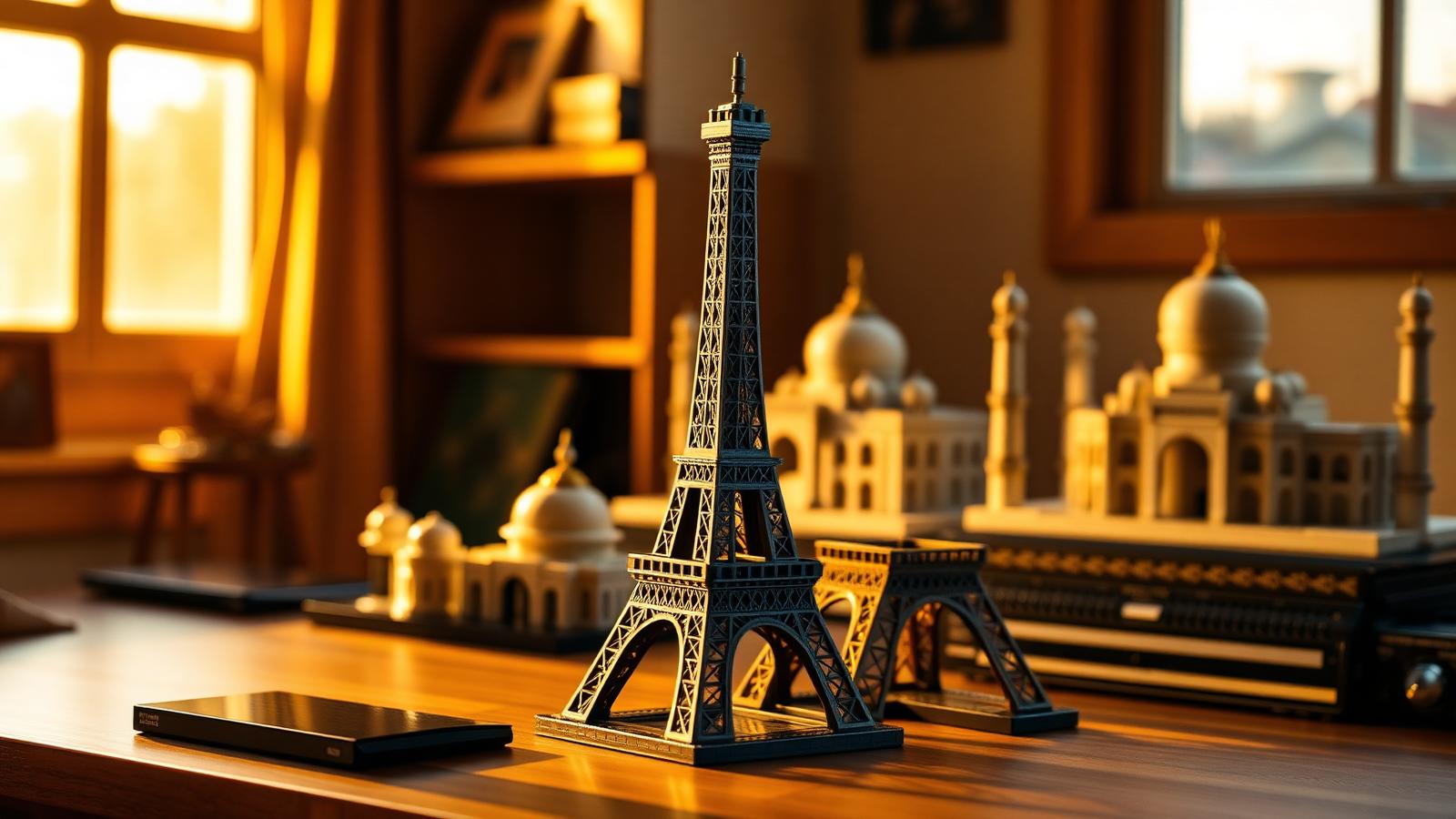
Build Impressive Landmarks with Building Blocks Landmark 5 Sets
A hobbyist and family guide to building blocks landmark 5 sets — how to choose, sort, and build display-quality Eiffel Tower, Colosseum, and Taj Mahal models with BrickHobby as a LEGO alternative.
Architecture & Landmarks
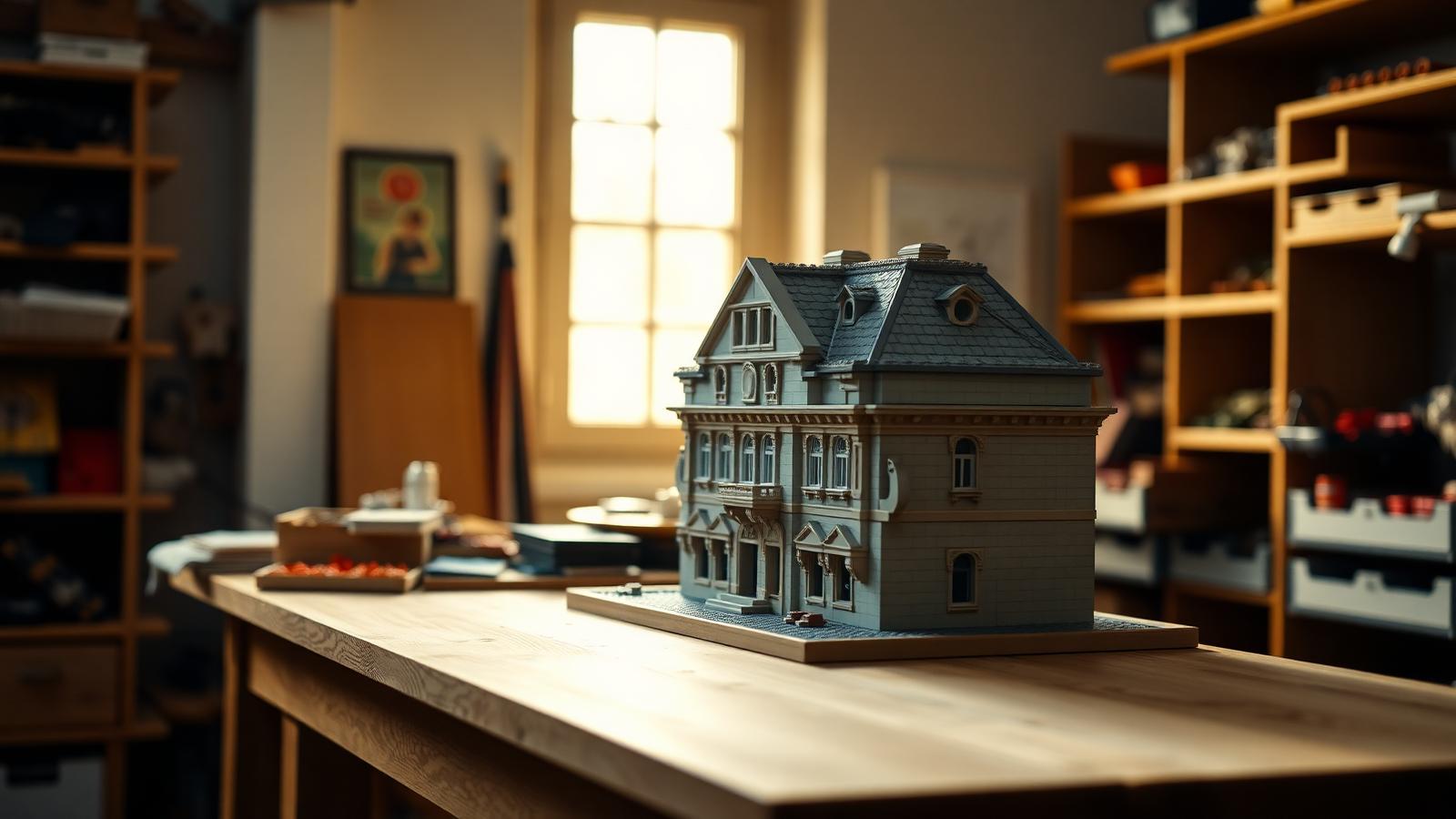
How to Build Impressive Structures with Architecture Wooden Building Blocks
A step-by-step guide for hobbyists and families: how to choose a set, plan, sort, and build display-quality architecture models with wooden-style building blocks.
Architecture & Landmarks
How to Build Stunning Architectural Models with ABB Architecture Building Blocks
ABB architecture building blocks let hobbyists turn a love of buildings into display-worthy models. A complete builder's guide — planning, execution, choosing quality bricks, and showcasing the finished piece.