
Architecture Building Blocks Examples: How to Create Stunning Builds with BrickHobby
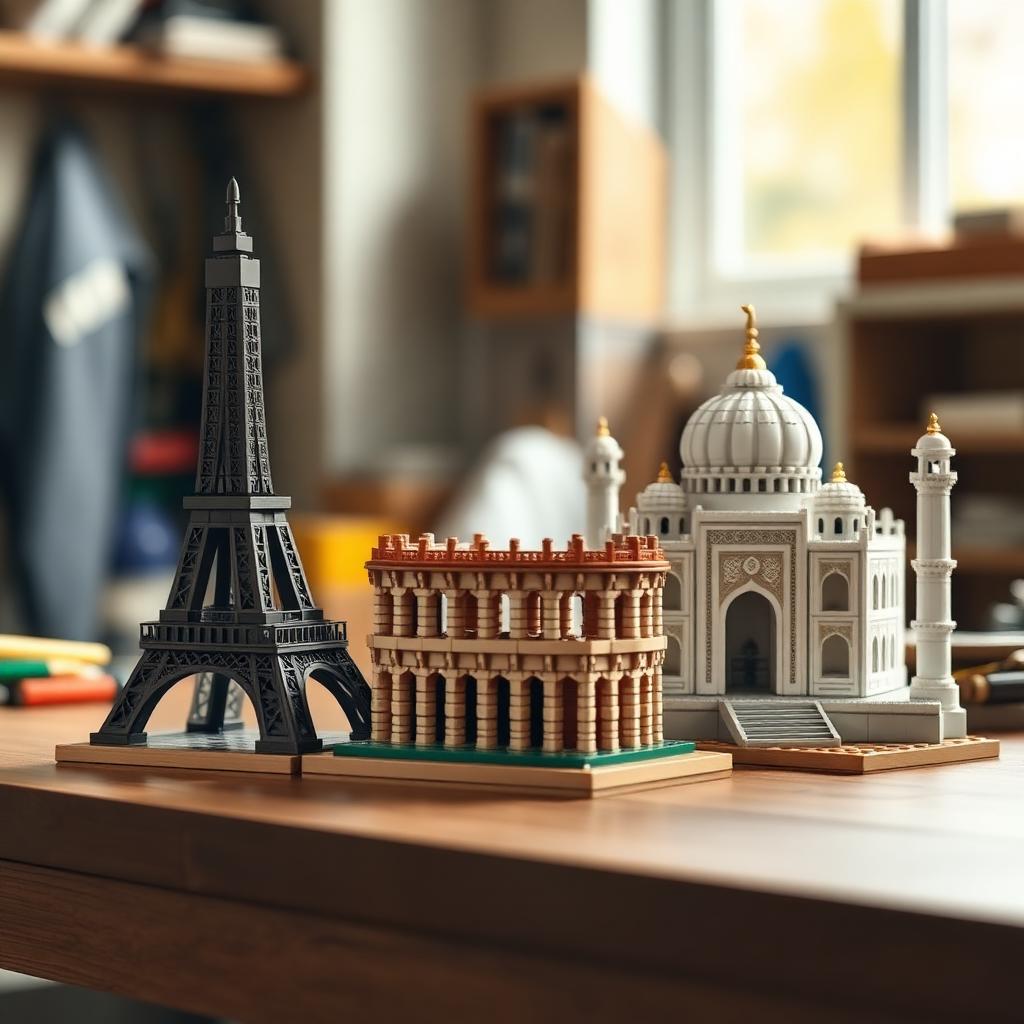
Quick answer: Architecture building blocks let you recreate real-world landmarks — from the Eiffel Tower to the Colosseum — using structured, stud-compatible bricks. BrickHobby offers 36+ landmark sets with photogrammetry-scanned designs, premium ABS bricks, and worldwide shipping. This guide walks you through how to get started, which famous structures to try, and tips to level up your builds.
There's something deeply satisfying about building a miniature version of a structure that took centuries to construct. A brick Colosseum sitting on your shelf. A scaled Taj Mahal assembled over a quiet Sunday afternoon. Architecture building blocks make this possible — and more accessible than most people expect.
We hope you find this guide useful, whether you're picking up your first set or looking to refine a technique you've been practicing for years.
The hobby has grown significantly across Europe and North America, with adult builders, collectors, and families all drawn to the blend of creativity, focus, and craftsmanship it demands. What was once a children's pastime has evolved into a serious pursuit — one where the joy of building is matched by the pride of display.
This post covers everything you need to know: what makes architecture building blocks worth your time, how to start from scratch, which famous structures you can recreate, advanced techniques to improve your work, and why BrickHobby is worth considering as your go-to source.
What Makes Architecture Building Blocks Worth Exploring
Architecture building blocks occupy a unique space in the wider world of brick building. Unlike standard sets, architectural builds emphasize structural realism, scale proportions, and the relationship between form and function. You're not just snapping bricks together — you're translating real geometry into stud-based logic.
For adult builders, this adds a layer of intellectual engagement that keeps the hobby fresh over time. Each new architecture building blocks example introduces a different structural problem: how do you capture the curve of a Gothic arch? How do you suggest the texture of stone using flat tiles? These are genuinely interesting challenges — and closely related to the ideas covered in our guide to learning real architecture through brick building.
For families, architecture sets offer a shared project with a tangible result. Parents and children can work through a build together, learning about history, geography, and design along the way. That's not incidental — it's one of the reasons architectural sets have found such a strong foothold in STEM-focused households across the US and Europe. See our architecture building blocks toy teaching guide for more on that angle.
For collectors, the display value is significant. A well-built landmark model commands attention. It tells a story about the builder's patience and skill, and it holds up aesthetically in any room.
Why architecture sets specifically?
- They come with real-world context (history, geography, design intent)
- The finished model is display-worthy, not just a play object
- They scale in difficulty, making them suitable for a wide range of skill levels
- They encourage learning about techniques like SNOT (Studs Not On Top) and staggered brickwork
BrickHobby's landmark collection covers 36+ architectural sets, including photogrammetry-scanned icons like the Forbidden City and Great Wall. That level of design fidelity — where the real building is digitally measured stud-by-stud — sets a high bar for accuracy.
Step-by-Step: How to Get Started with Architecture Building Blocks
Starting well makes everything easier. Here's a practical process for builders at any level.
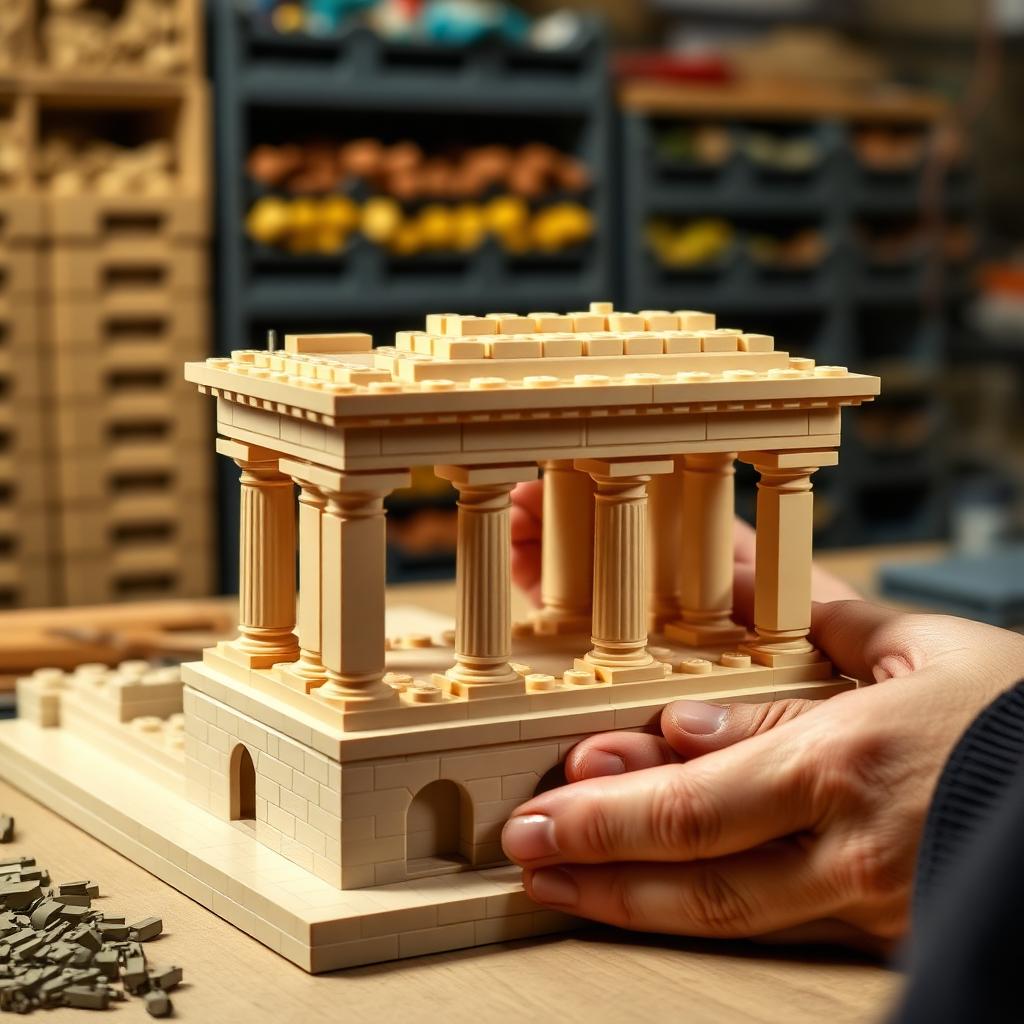
Choose the Right Set for Your Skill Level
Not all architecture sets are equal in complexity. Starter sets in the 320–980 piece range are well-suited to new builders or younger family members. Mid-range sets in the 2,000–5,000 piece range suit intermediate builders comfortable with multi-stage builds. Flagship sets above 5,000 pieces — like detailed Forbidden City or Great Wall replicas — are best approached with some experience already under your belt.
If you're new to architectural builds, resist the temptation to start with the most impressive set immediately. A well-executed small build teaches more than a half-finished large one. Our LEGO Architecture Studio guide is a good companion for early-stage builders.
Set Up Your Workspace
A clean, well-lit surface is non-negotiable. Sort your bricks by color and type before you start — numbered builder bags make this easier, and BrickHobby sets include them. A dedicated tray or shallow container for sorted pieces prevents the frustration of losing small tiles mid-build.
Good lighting isn't just about convenience. When you're placing detailed facade elements or small decorative tiles, shadows create errors.
Read the Instructions Fully Before Building
This sounds obvious. Most builders skip it. Architectural sets often use techniques that appear later in the build — understanding the overall structure first helps you anticipate how early sections connect to later ones, reducing the chance of having to disassemble and restart.
Master the Core Techniques
Two techniques appear repeatedly in architectural brick building:
Staggered brickwork: Alternating the offset of bricks between rows, mimicking real masonry. This strengthens the model and creates a realistic wall texture.
SNOT (Studs Not On Top): Orienting bricks sideways or upside-down to create smooth surfaces, angled details, or decorative elements that wouldn't be possible with standard top-facing studs. Facade details, window surrounds, and roof tiles often rely on this technique.
Build in Stages, Not Sessions
Large builds benefit from being treated as projects rather than single sittings. Complete one logical section — a base layer, a facade, a tower — before moving on. This keeps motivation high and makes troubleshooting easier.
Plan Your Display Before You Finish
Think about where the finished model will live. Lighting conditions, shelf depth, and viewing angles all affect how the model presents. Some builders add custom base plates or lighting kits after completion. Knowing your display plan in advance can even influence how you approach certain finishing details.
Architecture Building Blocks Examples: Famous Structures You Can Recreate
Here are some of the most compelling architecture building blocks examples to consider — each offering a different challenge and a distinct historical context.
The Eiffel Tower
One of the most recognizable structures ever built, the Eiffel Tower presents a fascinating brick-building challenge: how do you represent an open-lattice iron structure using solid bricks? The answer lies in negative space — strategic gaps, angled supports, and layered diagonal elements. BrickHobby offers an Eiffel Tower set that captures the tower's signature ironwork in impressive detail. At the right scale, the model becomes a genuine showpiece.
The Colosseum
Rome's Colosseum is a study in repetition and symmetry — arched openings, tiered facades, and a circular footprint that presents real structural challenges in brick form. A well-executed architecture building blocks example of the Colosseum uses staggered arch bricks and repeated modular sections to suggest the original's scale. BrickHobby's World Landmark Collection includes the Colosseum among its 2,200-piece tier.
The Taj Mahal
The Taj Mahal's defining features — its central dome, four minarets, and white marble appearance — translate surprisingly well into brick form. White or off-white color palettes, rounded dome pieces, and tall, slender tower sections create an instantly recognizable model. This is an intermediate-to-advanced build that rewards patience with a stunning display result.
The Forbidden City
BrickHobby uses photogrammetry scanning to digitally measure the Forbidden City's actual architecture before translating it into bricks. The result is a flagship landmark series model that captures roof tile patterns, courtyard proportions, and gate tower details with genuine fidelity. This is one of the most ambitious architecture building blocks examples in the BrickHobby range.
The Great Wall of China
Unlike the other examples, the Great Wall is less about a single focal point and more about landscape integration — the way the wall follows terrain, rises over ridges, and punctuates the horizon with watchtowers. A brick version captures sections of the wall with watchtowers and stepped terrain elements. It's a rewarding display piece precisely because it suggests scale and environment, not just a single building.
Tips for Advanced Builders
Once you've completed a few sets, you'll naturally start looking for ways to push further. Here's what experienced architectural builders focus on. For a deeper dive into design principles behind these ideas, our software architecture building blocks for better MOCs article is a useful companion.
Modify the color palette. Official instructions use set colors, but nothing stops you from experimenting. A Colosseum rendered in aged tan and sand tones reads differently than one in standard grey — and often more realistically.
Add interior detail. Most architectural models are designed to be viewed from the outside. Advanced builders sometimes add interior elements — courtyard furniture, interior columns, lighting — visible through windows or open facades.
Combine sets. A city scene built from multiple landmark sets creates a display environment rather than a single focal object. The Eiffel Tower alongside a modular Parisian streetscape, for example, provides context and narrative.
Experiment with scale. Recreating the same structure at two different scales — one for display, one for detail study — sharpens your understanding of which elements matter most at which size.
Photograph your builds. The architectural brick building community across platforms like Reddit's r/lego, Flickr, and Instagram shares work constantly. Photographing your builds develops your eye for detail and connects you with a genuinely supportive global community.
Why Choose BrickHobby as Your LEGO Alternative
We hope you find what you're looking for here. BrickHobby was designed in Lisbon with one straightforward goal: to make high-quality architectural brick building more accessible to builders everywhere.
A few things set BrickHobby apart.
Photogrammetry-scanned designs. The Forbidden City and Great Wall sets begin as digital scans of the real structures. Each brick placement is informed by actual architectural measurements, not approximations. The fidelity shows.
Premium ABS bricks. BrickHobby uses ABS (acrylonitrile butadiene styrene) — the same material used in the best-known brick brands. Tight clutch, fade-resistant colors, and durability for long-term display.
Compatible with LEGO. BrickHobby bricks are stud-compatible with LEGO, which means existing collections can be combined with new sets.
Lifetime brick promise. Lost a piece mid-build? BrickHobby replaces any missing brick from your set, free, forever. That's a meaningful commitment for anyone mid-way through a 12,000-piece flagship build.
Fast worldwide shipping. EU and US warehouses ship to 40+ countries, usually within 48 hours of order. That matters when you're mid-project and waiting on a replacement piece.
Accessible pricing. BrickHobby sets are priced significantly below comparable LEGO sets — sometimes at 50% or less — without compromising on design quality.
If you also want a broader planning framework before you buy, take a look at our architecture building blocks examples planning guide.
Build Something That Lasts
Architecture building blocks offer something rare: a hobby where the process is as satisfying as the result. The focused attention required to place 5,000 bricks one at a time, the problem-solving that SNOT techniques demand, the quiet pride of finishing a detailed model — these aren't small things.
The examples above — the Eiffel Tower, the Colosseum, the Taj Mahal, the Forbidden City, the Great Wall — are starting points, not limits. Every builder brings something different to the same set. That's what makes sharing your work worthwhile, and what makes the community around architectural brick building genuinely worth joining.
Frequently Asked Questions
What are the best architecture building blocks examples for beginners?
For first-time architectural builders, smaller landmark models in the 320–980 piece range are the best starting point. Sets representing the Eiffel Tower or simpler historic buildings offer clear instruction paths and introduce core techniques like staggered brickwork without overwhelming complexity. BrickHobby's starter sets are specifically sized for this level.
Are BrickHobby bricks compatible with LEGO architecture sets?
Yes. BrickHobby bricks use standard stud-compatible dimensions and are made from ABS material, the same used in LEGO bricks. This means BrickHobby pieces can be combined directly with existing LEGO architecture sets. Collectors who already own LEGO sets can integrate BrickHobby landmark models without compatibility issues.
How long does it take to complete a large architecture building blocks set?
Build time varies by set size and builder experience. A 2,000-piece set typically takes an experienced builder 6–10 hours, often spread across several sessions. Flagship sets above 10,000 pieces may require 20–40 hours total. Breaking the build into logical stages — one facade section or floor at a time — makes the process more manageable and enjoyable.
What techniques should I learn for detailed architectural brick builds?
Two techniques are foundational to architectural brick building. Staggered brickwork — offsetting each row of bricks by half a stud, as in real masonry — strengthens the model and creates realistic wall textures. SNOT (Studs Not On Top) allows bricks to face sideways or downward, enabling smooth facades, angled details, and decorative elements that standard top-facing studs can't achieve. Most advanced architectural builds use both techniques throughout.
How should I display a completed architecture building blocks model?
Display your completed model in an area with stable lighting — direct sunlight can cause color fading over time in ABS bricks. A glass-fronted cabinet protects against dust while keeping the model visible. For larger models, consider a dedicated shelf at eye level to take full advantage of the detail work. Some builders add LED lighting underneath or inside the model to enhance the display effect, particularly for sets with interior courtyard details.
---
We offer LEGO-compatible alternative brick sets for sale. To place an order, please contact our customer service team — we're happy to help you pick the right set and ship it worldwide.
Ready to build this yourself?
BrickHobby sells high-quality LEGO-alternative building block sets — the same brick standard, a fraction of the price. Browse our in-stock sets and simply contact our customer service team to place your order; we will confirm availability, pricing and worldwide shipping for you.
Keep reading
Architecture & Landmarks
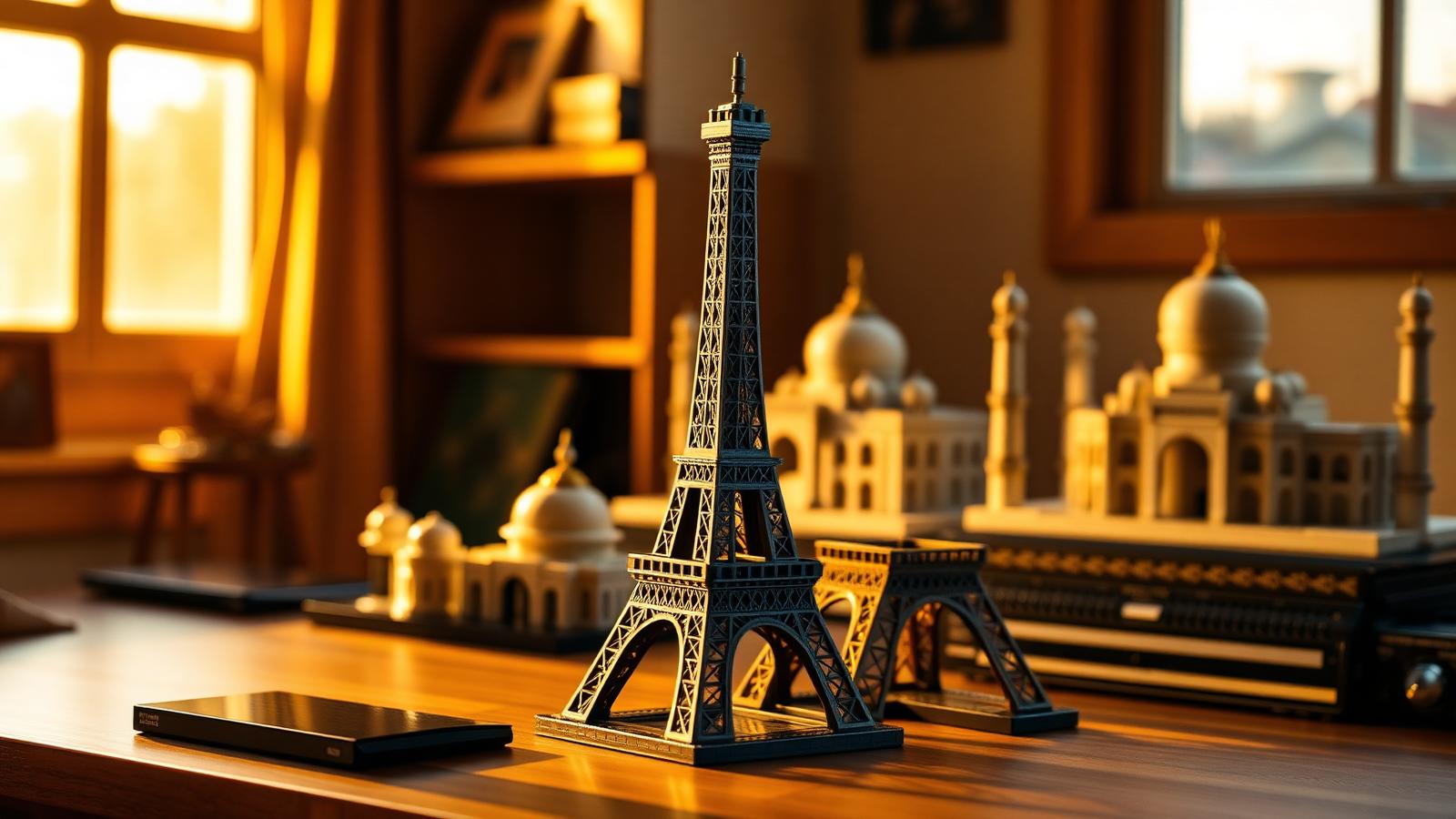
Build Impressive Landmarks with Building Blocks Landmark 5 Sets
A hobbyist and family guide to building blocks landmark 5 sets — how to choose, sort, and build display-quality Eiffel Tower, Colosseum, and Taj Mahal models with BrickHobby as a LEGO alternative.
Architecture & Landmarks
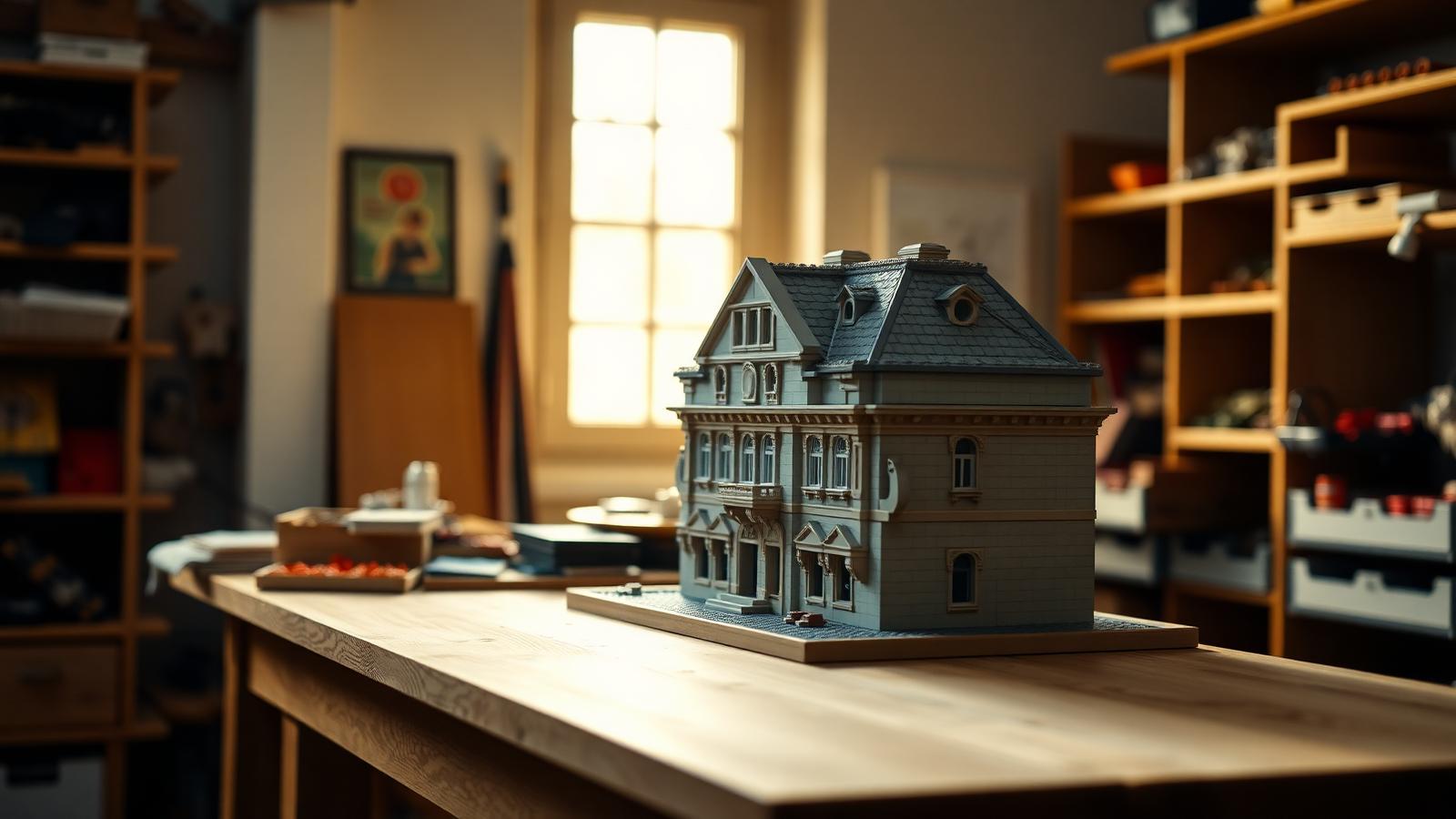
How to Build Impressive Structures with Architecture Wooden Building Blocks
A step-by-step guide for hobbyists and families: how to choose a set, plan, sort, and build display-quality architecture models with wooden-style building blocks.
Architecture & Landmarks
How to Build Stunning Architectural Models with ABB Architecture Building Blocks
ABB architecture building blocks let hobbyists turn a love of buildings into display-worthy models. A complete builder's guide — planning, execution, choosing quality bricks, and showcasing the finished piece.