How to Build a Rap-Inspired Architecture Model From Bricks
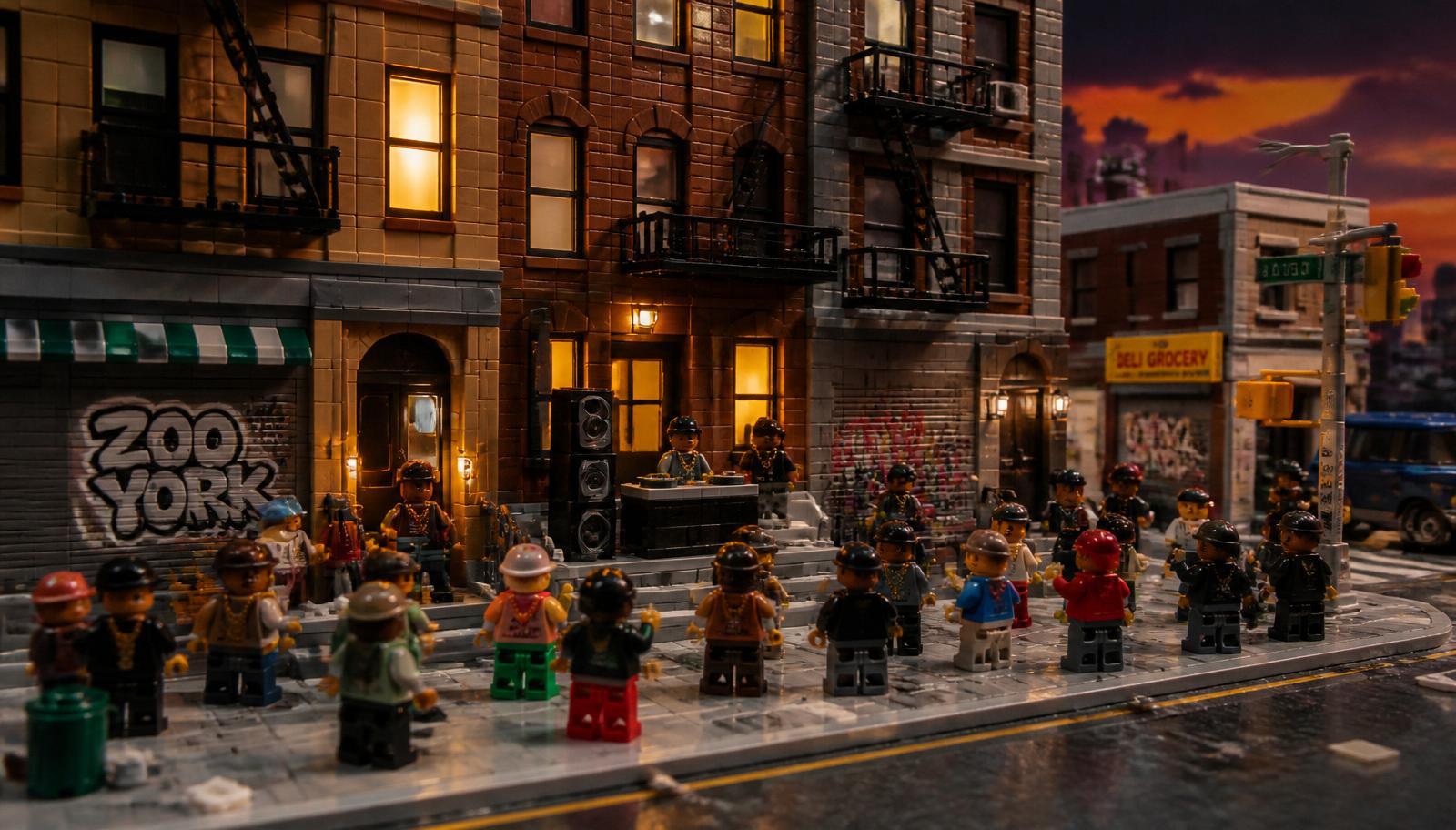
Hip-hop was built on blocks. Street corners, block parties, tenement stoops, brownstone rows — the culture grew out of the built environment. So it makes sense to build it back, brick by brick.
This guide shows you how to design and assemble a rap-inspired architectural model. Think a Bronx block party scene. A recording studio cutaway. A graffiti-covered subway platform. You bring the vision. Bricks do the rest.
Here''s what you''ll cover:
- Choosing a rap architecture theme
- Planning your layout and scale
- Sourcing the right bricks and colors
- Building techniques for urban detail
- Display, lighting, and customization
- Insider tips and common mistakes
This is a build project, not a shopping list. Set aside a weekend. Clear a table. Let''s get to work.
Why Rap Architecture Makes a Great Build
Rap and architecture share a language. Both are about structure, layers, and remix. Both turn raw material into something bigger.
The building blocks of rap architecture are exactly that — the physical settings where the culture was born and grew. Tenement blocks. Block parties. Subway cars. Studio booths. Each one is a buildable scene packed with detail.
Three reasons this theme works so well:
- Story-rich. Every scene carries decades of culture.
- Detail-heavy. Brick, graffiti, signage, crowds — endless texture.
- Personal. You build the moment that means something to you.
Unlike a generic city block, a rap architecture build has a point of view. It''s a display piece with a soundtrack in your head. That''s what makes it worth the hours. For a deeper look at how modular thinking powers scenes like this, see our guide to modular building blocks architecture.
Step 1: Choose Your Build Theme
Pick one scene. Don''t try to build the whole culture in one model. Focus wins.
Popular Rap Architecture Themes
- Block party. Turntables on the stoop, crowd, speaker stacks.
- Brownstone row. Classic East Coast residential facade.
- Subway platform. Graffiti cars, tiled walls, third rail.
- Recording studio. Cutaway booth, mixing desk, gear.
- Corner store bodega. Awning, signage, street clutter.
- Rooftop scene. Water tower, skyline backdrop, city lights.
Match the Theme to Your Skill
- Beginner: Bodega or single storefront. 400–800 PCS.
- Intermediate: Brownstone row or subway platform. 1,000–2,000 PCS.
- Advanced: Multi-building block party or studio cutaway. 2,500+ PCS.
Start with one scene that hits you emotionally. A record you love. A city you know. A moment from a video. Emotion drives detail, and detail makes the build.
Browse urban and modular scene sets by theme in the Architecture & Landmarks blog to find a base model to build from or modify.
Step 2: Plan Your Layout and Scale
Planning saves teardowns. Sketch before you snap.
Set Your Footprint
Decide the baseplate size first. This anchors everything.
- Small display: 32x32 studs. One storefront.
- Medium diorama: 48x48 studs. Building plus street.
- Large scene: Multiple baseplates joined. Full block.
Choose Your Scale
Two scales dominate urban builds:
- Minifig scale. Fits standard figures. Best for crowds and street life.
- Micro scale. Tiny buildings, big skyline. Best for rooftop and cityscape scenes.
Minifig scale suits a block party — you want the crowd. Micro scale suits a skyline backdrop. Pick one and commit. Mixing scales in one model looks off. If micro is your lane, our mini building blocks architecture guide covers scale tricks in depth.
Block Out the Zones
Divide your baseplate into zones before building:
- Foreground. The main action — stoop, booth, storefront.
- Midground. The building facade or platform.
- Background. Skyline, sky panel, or backdrop wall.
Mini-summary: Lock your footprint, pick one scale, and zone the plate. A planned layout builds faster and cleaner.
Step 3: Source Your Bricks and Colors
Urban scenes live and die on color and texture. Source with intent.
The Rap Architecture Color Palette
Real city blocks aren''t bright. They''re weathered. Build with:
- Reds and browns. Brick facades, brownstone tones.
- Grays. Concrete, sidewalk, subway platform.
- Tans and sand. Aged stone, worn walls.
- Black. Iron railings, fire escapes, shadow lines.
- Bright accents. Graffiti, neon signage, crowd clothing.
The contrast is the trick. Muted base, loud accents. That''s the look of a real block.
Texture Parts to Stock
- Profile bricks for brick-pattern walls.
- Grille tiles for vents and AC units.
- Bar and clip pieces for fire escapes and railings.
- Printed tiles for signage and graffiti.
- Transparent bricks for windows and neon.
Where to Source
You''ll need more variety than one boxed set offers. Mix a base set with loose parts. Curated compatible sets make this easier — every brick shares the same grid, so parts click together across themes.
Compare urban-themed sets and piece counts across the Architecture & Landmarks category to build your parts pool without hunting piece by piece.
Step 4: Build for Urban Detail
Technique is where a good scene becomes a great one. These methods add the grit that sells a rap architecture build.
Brick-Built Textures
Flat walls read as fake. Break them up.
- Offset your bricks. Stagger rows for a real masonry look.
- Mix brick finishes. Combine smooth and textured pieces on one wall.
- Add SNOT sections. Studs Not On Top lets you face bricks sideways for detail panels.
Fire Escapes and Railings
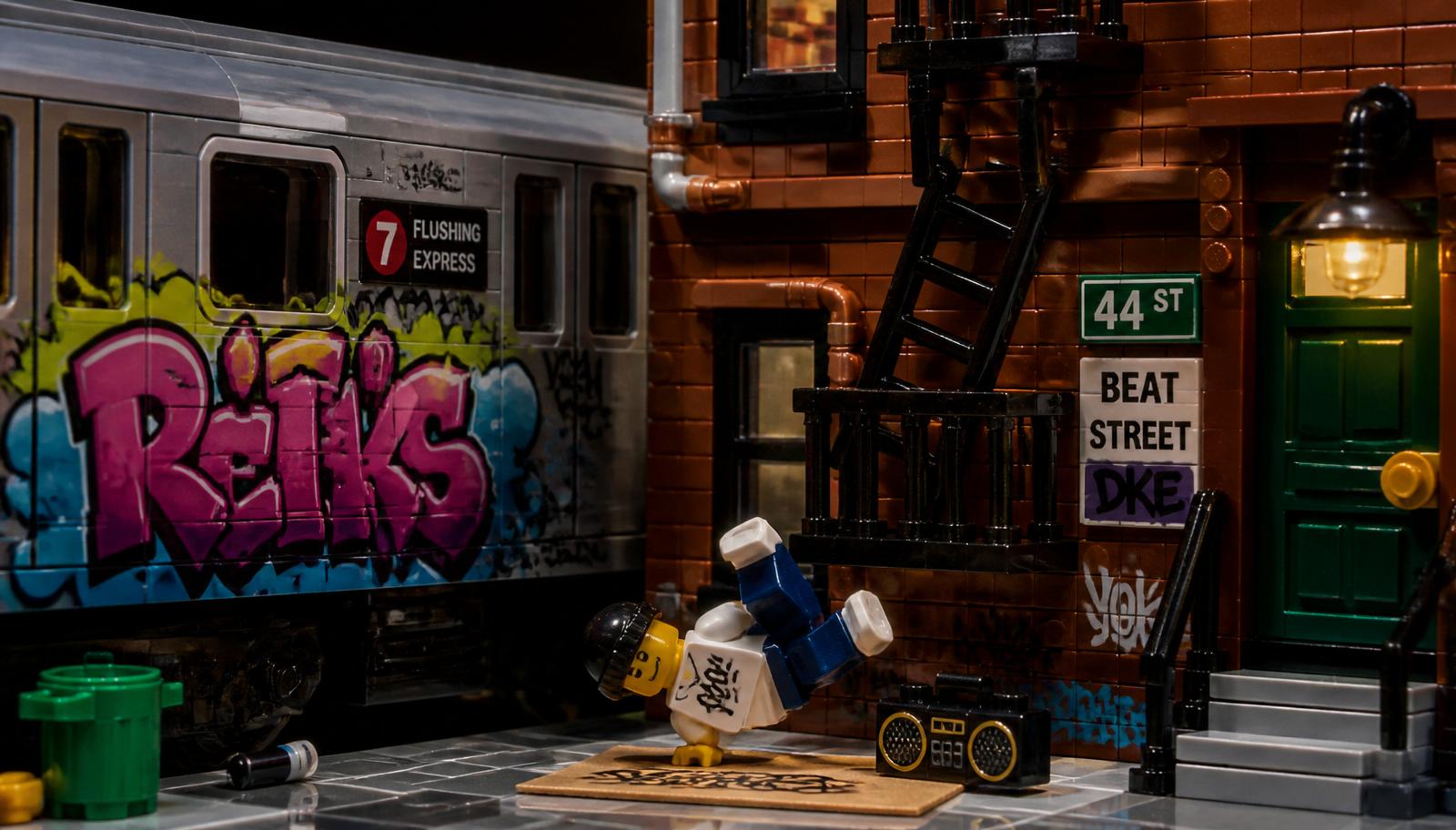
The fire escape is the signature East Coast detail. Build it with bar pieces and clips. Angle it slightly off the facade for depth. Add a figure leaning on the rail for life.
Graffiti and Signage
This is where rap culture shows loudest. Options:
- Printed tiles for clean, ready-made tags.
- Sticker application on smooth tiles for custom pieces.
- Micro-build lettering using small plates for a 3D tag.
Place graffiti where it belongs — low walls, subway cars, roll-down shutters. Not the whole facade.
Street-Level Clutter
Empty streets look dead. Add:
- Trash cans, crates, and boxes.
- A parked car or bike.
- Streetlights and a hydrant.
- A crowd for a party scene.
Mini-summary: Texture your walls, angle your fire escapes, place graffiti with restraint, and clutter the street. Detail is the difference-maker.
Step 5: Display Your Finished Build
A rap architecture model is a display piece. Stage it right.
Choose the Setting
- Open shelf. Shows off street-level detail from all sides.
- Enclosed case. Protects intricate graffiti and small parts from dust.
- Wall shelf. Great for a single facade or rooftop scene.
Light It
Lighting transforms an urban scene.
- Warm LEDs in windows for a lived-in glow.
- Cool blue for a nighttime street feel.
- Neon-effect bricks lit from behind for signage.
A block party scene lit from within, at night, is a showstopper. Micro LED strips tuck behind facades easily.
Add a Backdrop
A printed skyline panel behind a rooftop build adds instant depth. Keep it simple — the model is the star.
Step 6: Customize and Make It Yours
Stock builds are the start. Personal touches make it a signature piece.
Facade Mods
- Rename the bodega after your neighborhood.
- Build a marquee with an album title.
- Add a mural of a favorite artist in micro-build form.
Crowd and Character
- Pose figures mid-dance for a party scene.
- Add a DJ at the turntables.
- Place a breakdancer on flattened cardboard — a small plate does the trick.
Sound-System Detail
Speaker stacks are iconic. Build them tall. Stack black bricks, add grille tiles for the cones, and place them either side of the stoop. This one detail says "block party" instantly.
The community is where customization catches fire. Builders swap graffiti designs, facade techniques, and lighting mods daily. Post your build, ask for feedback, and pull ideas from other creators.
Save leftover bricks in a labeled bag by build. They''re gold for mods and repairs. For enterprise-scale thinking on the same modular ideas, our TOGAF architecture building blocks post is a fun crossover read.
Insider Tips From Experienced Builders
A few habits separate a flat diorama from a scene that breathes.
- Weather with color, not paint. Mix darker bricks into low corners to fake grime. Keep it brick-built.
- Build the crowd in clusters. Group figures in twos and threes. Real crowds aren''t evenly spaced.
- Vary window states. Some lit, some dark, some with curtains. Uniform windows look fake.
- Leave negative space. An empty stretch of sidewalk makes the busy zones pop.
- Photograph at street level. Shoot your finished build from figure height. It reads like a real block.
The building blocks of rap architecture reward attention to the small stuff. A single graffiti tag in the right spot does more than a wall of them. Teachers can borrow the same techniques — see our architecture building blocks toy teaching guide for classroom-friendly variants.
Common Mistakes to Avoid
Skip these and your scene stays sharp.
Building flat walls. Smooth, single-color facades kill realism. Add texture and offset.
Overloading graffiti. Too many tags looks cluttered, not authentic. Place with restraint.
Mixing scales. Minifig figures next to micro buildings breaks the illusion. Commit to one.
Skipping the plan. Building without a layout leads to teardowns. Zone your plate first.
Empty streets. No clutter, no crowd, no life. Populate the scene.
Ignoring lighting. An unlit urban night scene loses half its impact. Plan for LEDs early.
Avoid these six and every build comes out display-ready.
Your Build Checklist
Quick-reference plan before you start:
- Pick one theme that means something to you
- Set your footprint and commit to one scale
- Zone the baseplate — foreground, midground, background
- Source muted base colors and bright accents
- Texture walls, angle fire escapes, place graffiti with restraint
- Populate the street with clutter and crowd
- Light it, back it, and photograph at street level
Building the building blocks of rap architecture combines two cultures builders love — hip-hop and hands-on craft. You''re not just stacking bricks. You''re recreating a moment. If you want to scale the same ideas up to a data center, our cloud architecture building blocks data center build is the next stop.
Start Your Build Today
Rap architecture is more than a theme. It''s a way to build the settings that shaped a culture — the block, the party, the studio, the platform. Pick your scene. Plan your layout. Source your palette. Then build with the grit and detail that make it real.
Your action plan:
- Choose one scene and one scale
- Zone your plate before building
- Texture, detail, and populate the street
- Light it, customize it, and share it with the community
Clear a table, cue up a record, and start building. Your block is waiting.
Frequently Asked Questions
What is a "rap architecture" building block model?
It''s a brick build that recreates the settings tied to hip-hop culture — a Bronx block party, a brownstone row, a graffiti-covered subway platform, or a recording studio. The building blocks of rap architecture are the physical spaces where the culture grew, rebuilt as detailed display models. You choose a scene, plan a layout, and assemble it brick by brick.
Do I need a special set to build a rap-inspired scene?
No single set is required. Start with an urban or modular base model, then add loose bricks for graffiti, fire escapes, and street clutter. Mixing a base set with extra parts gives you the color and texture variety these scenes need. Compatible bricks share the same grid, so parts click together across themes.
How hard is it for a beginner to build one?
Start small. A single storefront or bodega in the 400–800 piece range is beginner-friendly and finishes in an evening. Work up to a brownstone row or subway platform once you''re comfortable, then tackle a full multi-building block party. Focus on one scene rather than the whole culture, and the build stays manageable.
How do I add graffiti and signage to my model?
Three ways. Use printed tiles for clean, ready-made tags. Apply stickers to smooth tiles for custom designs. Or micro-build 3D lettering with small plates for a raised look. Place graffiti where it belongs — low walls, shutters, subway cars — and keep it restrained. A few well-placed tags read as authentic; a full wall looks cluttered.
What''s the best way to display a finished rap architecture build?
Use an open shelf to show street-level detail, or an enclosed case to protect fine parts from dust. Light it with warm LEDs in windows and cool blue for a night-street feel. Add a printed skyline backdrop for rooftop scenes, and photograph the finished model at figure height for a true street-level look.
Ready to build this yourself?
BrickHobby sells high-quality LEGO-alternative building block sets — the same brick standard, a fraction of the price. Browse our in-stock sets and simply contact our customer service team to place your order; we will confirm availability, pricing and worldwide shipping for you.
Keep reading
Architecture & Landmarks
Build Impressive Landmarks with Building Blocks Landmark 5 Sets
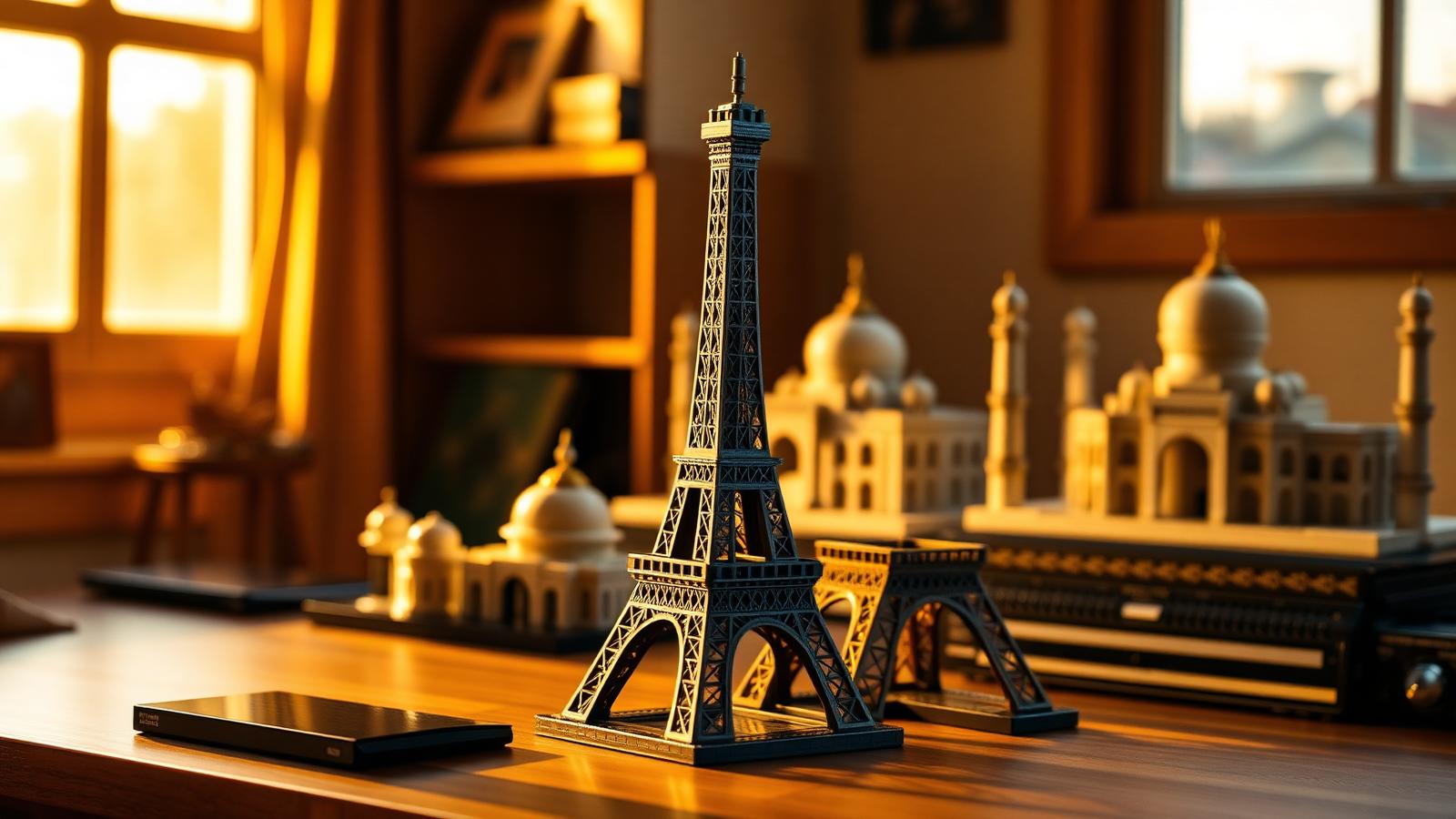
A hobbyist and family guide to building blocks landmark 5 sets — how to choose, sort, and build display-quality Eiffel Tower, Colosseum, and Taj Mahal models with BrickHobby as a LEGO alternative.
Architecture & Landmarks
How to Build Impressive Structures with Architecture Wooden Building Blocks
A step-by-step guide for hobbyists and families: how to choose a set, plan, sort, and build display-quality architecture models with wooden-style building blocks.
Architecture & Landmarks
How to Build Stunning Architectural Models with ABB Architecture Building Blocks
ABB architecture building blocks let hobbyists turn a love of buildings into display-worthy models. A complete builder's guide — planning, execution, choosing quality bricks, and showcasing the finished piece.