
How to Choose the Best STEM Building Toys for Kids in 2026

How to Choose the Best STEM Building Toys for Kids in 2026
Quick answer: The best STEM building toys for kids 2026 combine durable, non-toxic materials, age-appropriate complexity, and genuine engineering challenges — not just flashy packaging. Look for sets that teach real STEM concepts, offer growth paths as skills improve, and come with clear, well-illustrated instructions. BrickHobby's STEM kits are built around exactly these three pillars.
Building toys aren't just a way to fill an afternoon anymore. For many families, they're a core part of how kids learn to think, problem-solve, and stay curious about the world around them. As screen time concerns grow and parents look for hands-on alternatives, demand for quality construction sets has surged across the US and Europe.
But not every set labeled "educational" actually delivers on that promise. Some are glorified puzzle boxes with a STEM sticker slapped on the front. Others genuinely challenge kids to think like engineers, test hypotheses, and build real mechanical understanding.
This guide breaks down exactly what to look for when shopping for the best stem building toys for kids 2026, how to match a set to your child's age and skill level, and how to get the most learning value out of every build. Whether you're buying for a curious five-year-old or a budding teenage inventor, you'll walk away knowing exactly what separates a great STEM kit from a mediocre one.
Why Do STEM Building Toys Matter for Kids in 2026?
STEM toys do more than entertain. They build foundational skills that carry into school, careers, and everyday problem-solving.
Construction-based play strengthens spatial reasoning — the ability to visualize how parts fit together in three dimensions. This skill directly supports later success in math, engineering, and design fields. Building also teaches patience and sequencing: following multi-step instructions, troubleshooting a piece that doesn't fit, and adjusting a plan when something goes wrong.
For families, STEM building sets offer something screens can't: shared, tactile time together. Parents and kids sort pieces, debate design choices, and celebrate a finished build side by side. That interaction matters. Educators consistently point to hands-on, collaborative building as one of the most effective (and enjoyable) ways to introduce engineering concepts to young children.
There's also a cultural shift driving demand. More parents across the US and Europe are actively seeking alternatives to single-use plastic toys and disposable entertainment. Durable, reusable building sets fit that shift perfectly — one well-made kit can be rebuilt dozens of times, repurposed into new designs, or passed down to a younger sibling.
How Do You Identify Quality STEM Building Toys?
Not every building set on the shelf delivers real educational value. Here's what actually separates a quality kit from a mediocre one.
What Materials Should You Look For?
Material quality determines whether a set survives years of play or cracks after a few builds. Look for high-impact ABS plastic, which resists breaking, warping, and fading under normal play conditions. Avoid cheap, brittle plastics that snap under pressure — a common complaint with low-cost knockoff sets.
Safety certifications matter just as much. Confirm the toy meets relevant safety standards for your region, such as ASTM F963 in the US or EN71 in the EU. These certifications confirm the product has been tested for choking hazards, toxic materials, and structural safety.
What Makes Instructions "Quality" Instructions?
Clear, visual, step-by-step guides make the difference between a frustrating build and a confidence-building one. The best kits use numbered steps, labeled parts, and illustrations detailed enough that a child can follow along independently once they've built a few sets with adult help.
BrickHobby publishes detailed model-building guides for every set, giving kids a clear path from first piece to finished model without guesswork.
Does the Set Teach Real Engineering Concepts?
A true STEM set introduces mechanical or structural concepts — gears, levers, pulleys, load-bearing structures, or basic circuitry — rather than just snapping together pre-shaped blocks. Sets that incorporate moving parts or functional mechanisms (a crane that actually lifts, a car with working wheels) teach cause-and-effect reasoning that static builds don't.
Is There Room to Grow?
The strongest kits scale with a child's ability. Modular systems that let kids combine sets, remix designs, or attempt custom builds extend the toy's lifespan far beyond a single assembly. This is especially valuable for creator-minded kids who want to design beyond the instruction manual.
How Do You Choose the Right STEM Building Toy Set by Age Group?
Age-appropriate complexity is one of the most overlooked factors in STEM toy selection. A set that's too simple bores a child quickly; one that's too advanced leads to frustration and abandonment.
Ages 5–7: Building Foundational Skills
At this age, kids need larger pieces, simpler instructions, and shorter build times. Look for sets with 50–150 pieces focused on recognizable shapes — vehicles, animals, simple structures. The goal here is building confidence and fine motor skills, not complexity.
Ages 8–10: Introducing Mechanisms
Kids in this range are ready for sets with moving parts: gears, axles, and basic mechanical functions. Sets with 150–400 pieces strike a good balance between challenge and achievability. This is also a strong age to introduce themed sets — space stations, bridges, or simple robotics — that connect building to broader STEM topics kids are learning in school.
Ages 11–14: Engineering Challenges
Older kids and early teens benefit from high-piece-count sets (400+) that require sustained focus and real problem-solving. Motorized builds, modular architecture sets, and kits involving basic coding or electronics work well here. This age group is also ready for creator-style sets with fewer instructions and more open-ended design freedom — ideal for kids who want to invent their own models rather than follow a manual exactly.
Choosing for Mixed-Age Households
If you're shopping for siblings with different skill levels, consider modular systems that work across age ranges. A set designed for a 10-year-old can often incorporate pieces from a younger sibling's set, letting the whole family build together without needing separate, incompatible systems.

How Can You Maximize Learning Through Play?
Buying the right kit is only half the equation. How a child engages with it determines how much they actually learn.
Build together, but don't take over. It's tempting to step in when a child struggles with a tricky step. Resist that urge. Letting kids work through a problem — even if it takes longer — builds the resilience and troubleshooting skills that make STEM toys valuable in the first place.
Ask open-ended questions during the build. Instead of just following instructions silently, ask things like "Why do you think this piece goes here?" or "What happens if we build it this way instead?" This turns passive assembly into active engineering thinking.
Encourage remixing after the first build. Once a child finishes the instructed model, challenge them to take it apart and build something new with the same pieces. This single step transforms a one-time build into an open-ended design exercise.
Connect builds to real-world concepts. If a child builds a bridge, talk about why real bridges use triangular supports. If they build a car, discuss how gears make wheels turn. These small connections reinforce that the toy represents real engineering, not just a game.
Join a building community. Many families find that sharing completed builds — online or at local meetups — keeps kids motivated between sets. BrickHobby's builder community platform gives young builders and their parents a place to showcase finished models, swap design ideas, and find inspiration for the next project.
What Are BrickHobby's Top Picks for Young Builders?
BrickHobby designs its STEM lineup around the three pillars covered above: durable materials, genuine engineering challenges, and room to grow.
Starter Mechanics Sets — Designed for ages 5–8, these introduce basic gears and levers through simple, high-success-rate builds. Large pieces and short instruction sequences make them ideal for first-time builders.
Junior Engineer Collection — Built for ages 8–11, this line incorporates motorized components and modular connectors, letting kids build increasingly complex vehicles and structures as their skills develop.
Advanced Architecture & Robotics Sets — Aimed at ages 11 and up, these high-piece-count kits challenge older kids with multi-stage builds, functional mechanisms, and optional coding add-ons for families ready to explore basic electronics.
Creator Freebuild Packs — For kids who want to design their own models rather than follow a manual, these open-format sets provide a large volume of versatile, compatible pieces instead of a single fixed design.
Every BrickHobby set ships with illustrated guides and is backed by a durability guarantee — if a piece breaks or goes missing, BrickHobby replaces it free. Explore the full lineup directly on BrickHobby's STEM collection page to find the right match for your child's age and interests.
Build Smarter, Not Just Bigger
Choosing the best stem building toys for kids 2026 isn't about finding the biggest box on the shelf or the flashiest marketing claim. It comes down to three things: solid materials that survive real play, genuine engineering challenges that match your child's current skill level, and enough flexibility for that child to keep growing into the set rather than out of it.
Start with your child's age and current skill level, check the material and safety credentials, and prioritize sets that teach real mechanical concepts over ones that just look impressive in photos. A thoughtfully chosen kit will get rebuilt dozens of times — not shoved in a closet after one afternoon.
Ready to find the right fit? Browse BrickHobby's full range of age-appropriate STEM kits and start your child's next build today.
Frequently Asked Questions
What age should kids start with STEM building toys?\
Most children can start with simple building sets around age 4–5, using large pieces and basic shapes. True STEM concepts involving gears and mechanisms are typically better suited to kids age 7 and up, once fine motor skills and patience have developed further.
Are STEM building toys worth the extra cost compared to regular toys?\
Yes, for most families. STEM sets are generally built from more durable materials and designed for repeated rebuilding, which extends their usable life far beyond single-use toys. The long-term educational value — spatial reasoning, problem-solving, and engineering thinking — also makes the investment worthwhile for parents prioritizing hands-on learning.
How do I know if a building set is compatible with pieces my child already owns?\
Check the manufacturer's compatibility notes before buying. Many building toy brands, including BrickHobby, design their sets to work within a broader modular system, so pieces from different kits can often be combined for custom builds.
What's the difference between a STEM toy and a regular building toy?\
A regular building toy focuses on assembly and shape recognition. A true STEM toy incorporates functional engineering concepts — moving gears, load-bearing structures, basic circuits — that teach cause-and-effect reasoning and mechanical understanding, not just construction.
Can STEM building toys help with school performance?\
Research consistently links hands-on construction play to stronger spatial reasoning and problem-solving skills, both of which support math and science performance in school. While a building toy alone won't guarantee better grades, it builds cognitive habits — patience, sequencing, troubleshooting — that transfer directly to classroom learning.
Ready to build this yourself?
BrickHobby sells high-quality LEGO-alternative building block sets — the same brick standard, a fraction of the price. Browse our in-stock sets and simply contact our customer service team to place your order; we will confirm availability, pricing and worldwide shipping for you.
Keep reading

Kids & Toddlers Bricks
How to Choose the Best Magnetic Building Toys for Kids
Learn how to choose the best magnetic building toys for kids, from safety tips to picking the right set for your child's age and skill level.
Kids & Toddlers Bricks
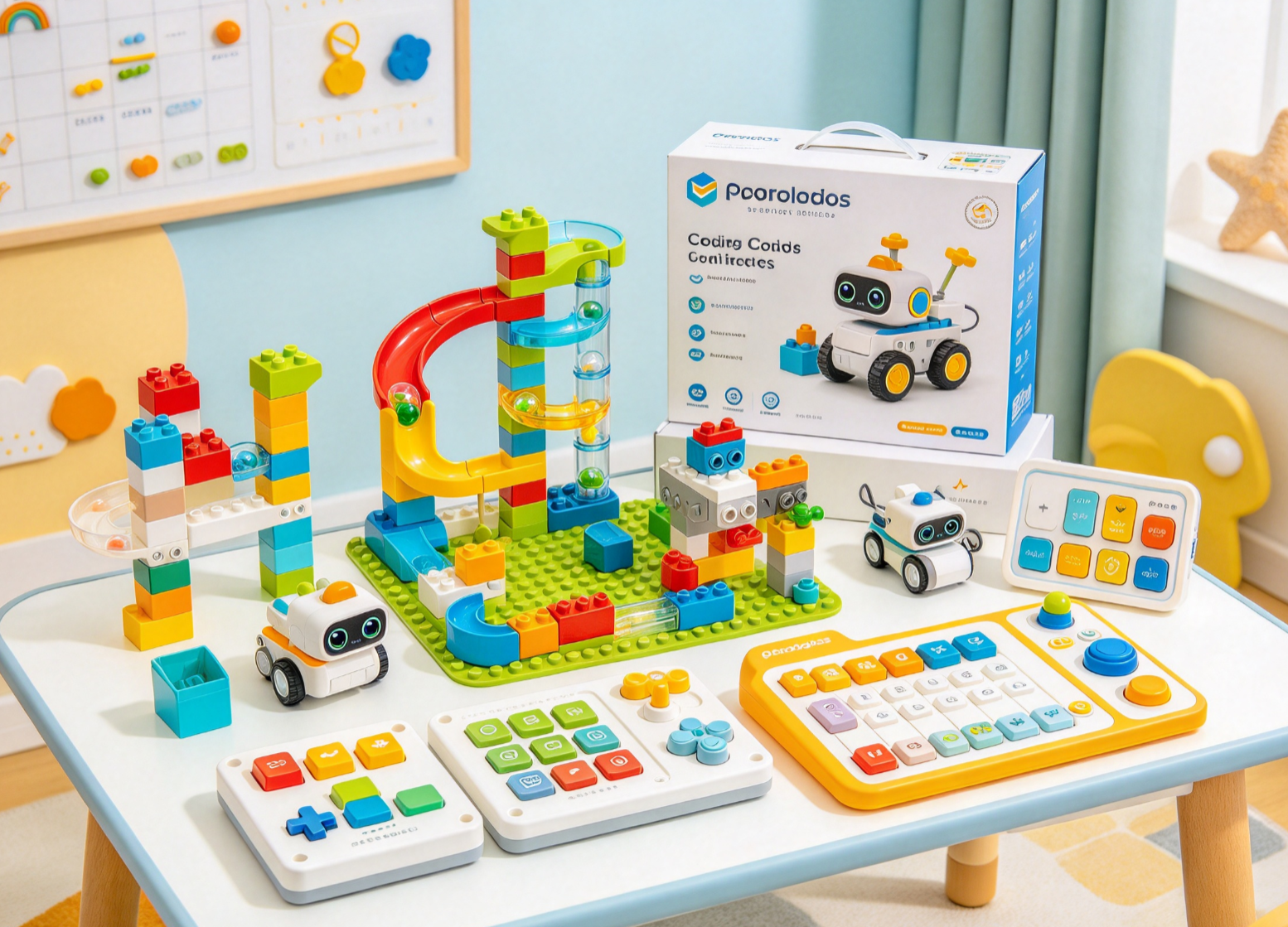
How to Pick the Best Programmable Building Toys for Kids (And Actually Use Them)
Learn how to choose, set up, and get the most from the best programmable building toys for kids — plus why BrickHobby is a great LEGO-compatible pick.
Kids & Toddlers Bricks
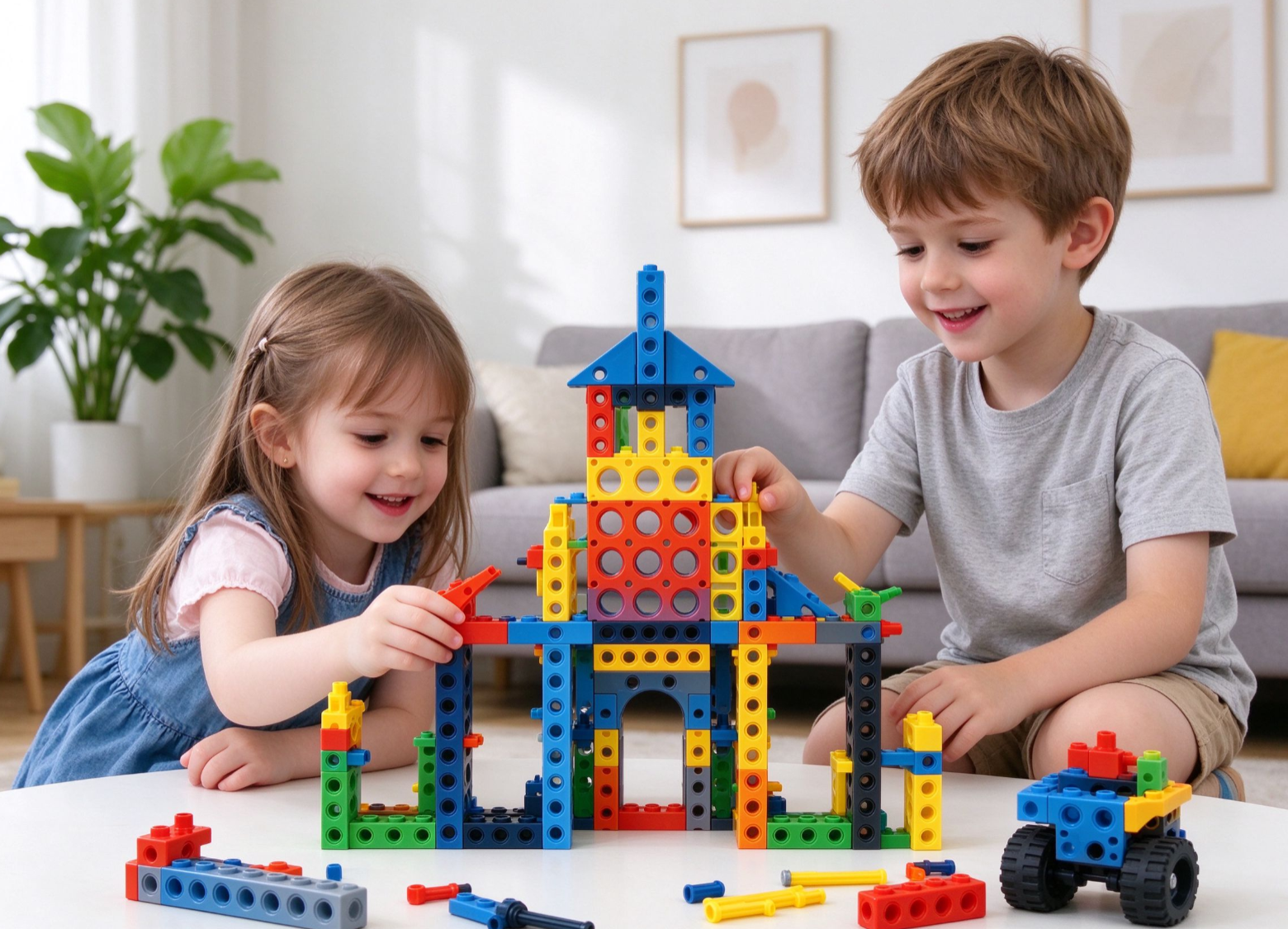
How to Choose the Best STEM Building Toys for Kids in 2026
Find the best STEM building toys for kids in 2026 with this age-by-age guide covering safety, materials, and smart LEGO alternatives.