How to Choose the Best Magnetic Building Toys for Kids

How to Choose the Best Magnetic Building Toys for Kids
Quick answer: The best magnetic building toys for kids combine strong, well-tested magnets, bright color variety, and pieces sized for small hands. Look for sets with safety certifications, open-ended shapes that support creativity, and a design that grows with your child's skill level. BrickHobby recommends starting with a starter set before adding expansion packs.
Building toys have been part of childhood for generations, but magnetic sets have changed the game. Instead of snapping pieces together, kids connect shapes using magnetic force. The result feels almost like magic the first time a child watches two tiles click together on their own.
We know choosing toys for your kids can feel overwhelming. Shelves are full of options, and not every set is built the same way. Some fall apart after a week. Others use magnets that are too strong, too weak, or simply not safe. This guide walks you through what matters most, so you can make a confident choice.
By the end of this article, you'll know exactly what separates a great magnetic building set from a mediocre one. We'll also cover how to use these toys to get the most educational value, plus safety guidelines every parent should know before handing a set to a child.
What Are Magnetic Building Toys?
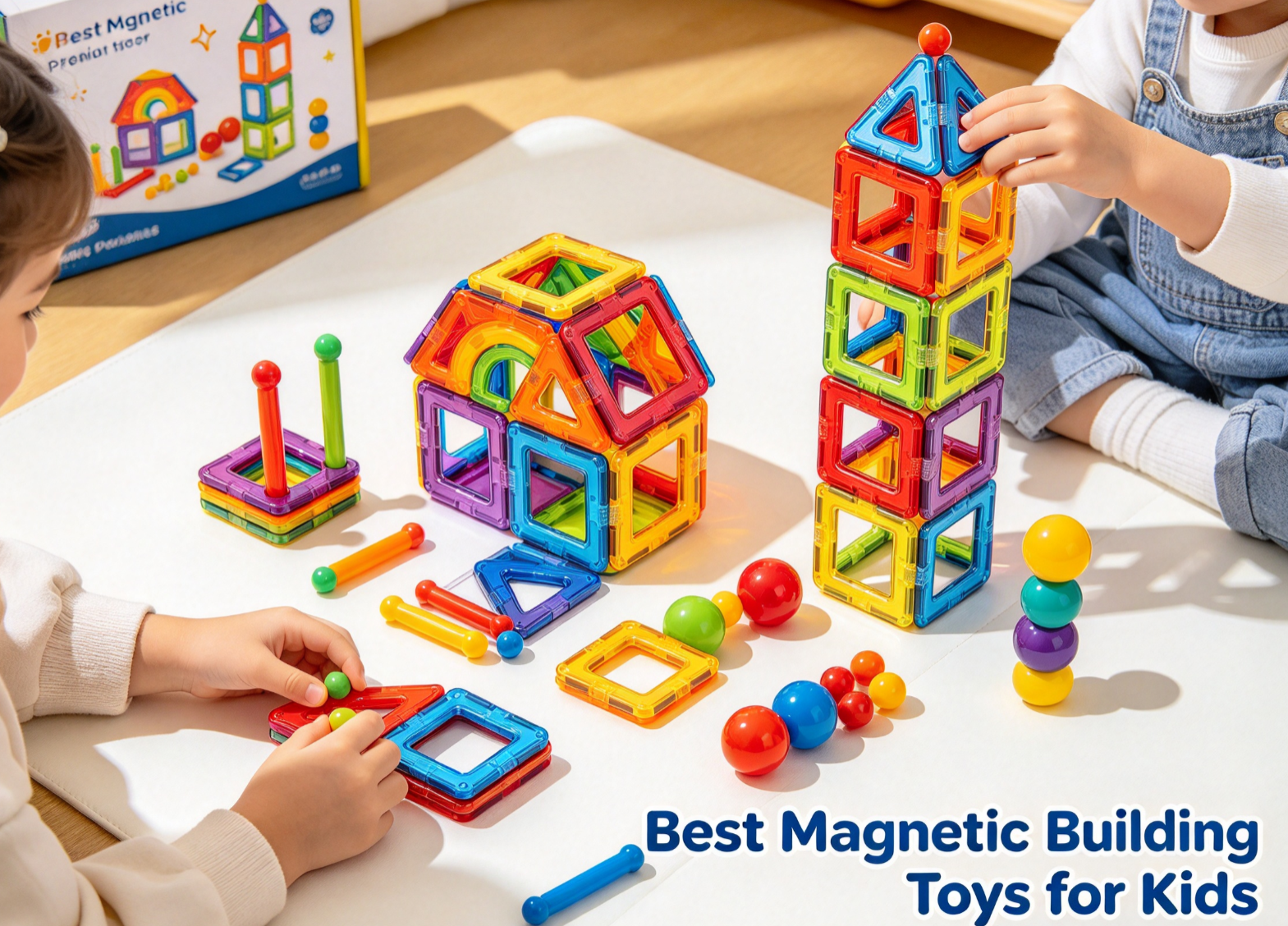
Magnetic building toys are construction sets made from pieces — usually flat tiles, rods, or balls — that contain embedded magnets. Kids connect the pieces to build shapes, structures, and designs without needing to snap, screw, or glue anything together.
Unlike traditional brick-based building toys, magnetic sets rely on polarity. Each piece is engineered so the magnets align correctly no matter which way a child turns it. This makes the building process smoother for younger kids who may still be developing fine motor skills.
Most magnetic building toys fall into a few categories:
- Magnetic tiles: Flat geometric shapes (squares, triangles, hexagons) that connect edge to edge.
- Magnetic rods and balls: Pieces that form 3D structures, often used for STEM-focused building.
- Magnetic blocks: Cube-shaped pieces that mimic traditional building blocks but use magnetic connections instead of studs.
Each type offers something different. Tiles tend to appeal to younger children building flat or simple 3D shapes. Rods and balls suit kids who enjoy more structural, engineering-style builds. Blocks offer a middle ground, combining the tactile feel of bricks with the ease of magnetic assembly.
Why Are Magnetic Building Toys Great for Kids?
Parents often ask whether magnetic toys are worth the investment. We think the answer is yes, and here's why.
They build fine motor skills. Connecting magnetic pieces requires precision. Kids learn to align shapes, apply gentle pressure, and adjust their grip — all of which strengthen hand-eye coordination.
They support STEM learning. Many magnetic sets introduce basic concepts in geometry, balance, and physics. A child stacking tiles into a tower is unknowingly learning about structural stability. A child connecting hexagons into a dome is exploring geometry in a hands-on way.
They encourage open-ended play. There's no single "right" way to use a magnetic building set. Kids can build a house one day and a spaceship the next. This kind of unstructured creativity helps develop problem-solving skills and imagination.
They reduce screen time. Magnetic building toys give kids a reason to step away from tablets and phones. Many families use building sessions as a daily wind-down activity before bed.
They grow with the child. A five-year-old might build simple towers, while a ten-year-old uses the same set to construct detailed architecture. Few toy categories offer this kind of long-term value.
How Do You Choose the Best Magnetic Building Toys for Kids?
This is where most parents get stuck. Not every set labeled "educational" or "STEM" actually delivers. Here's what to look for when searching for the best magnetic building toys for kids.
Check the magnet strength and placement
Magnets should be strong enough to hold a structure together but not so strong that pieces snap together unpredictably and pinch small fingers. Quality sets use evenly distributed magnets along the edges of each piece, which creates a stable connection no matter the orientation.
Look for certified safety standards
Any magnetic toy you buy should meet recognized safety standards for your region, such as ASTM F963 in the United States or EN71 in the European Union. These standards test for magnet strength, choking hazards, and material safety. If a listing doesn't mention certification, treat that as a red flag.
Prioritize piece variety
A good set includes multiple shapes — squares, triangles, rectangles, and sometimes curves or windows. Variety keeps kids engaged longer and supports more advanced builds as skills improve.
Consider the age range
Toddlers need larger, simpler pieces that are harder to swallow and easier to grip. Older kids benefit from smaller, more detailed pieces that allow for intricate designs. When shopping for the best magnetic building toys for kids, always match the set to your child's current developmental stage, not just their age on the box.
Read material quality reviews
Cheap plastic can crack after repeated use, and magnets can come loose over time. Reviews often reveal durability issues that product descriptions don't mention. Look for sets with strong customer feedback on long-term use, not just first impressions.
Think about expandability
Many brands sell add-on packs that work with your existing set. This lets a child's collection grow over time without needing to replace the whole set. It's also a more budget-friendly way to keep building fun alive.
Choose a smaller starter set if your family is building toys for the first time. Choose a larger set with expansion options if your child already shows strong interest in construction play. For families looking to combine magnetic building with detailed brick architecture, BrickHobby's starter collections offer a complementary building experience once your child graduates to more advanced sets.
How Can You Use Magnetic Building Toys Effectively?
Buying the right set is only half the equation. How your child uses the toy matters just as much.
Start with guided building. For younger kids, show a few simple shapes first — a square, a triangle, a small house. This builds confidence before moving to open-ended play.
Introduce challenges. Once your child understands the basics, give them small challenges: "Can you build something that stands taller than your hand?" or "Can you make a shape with six sides?" These prompts turn free play into problem-solving.
Mix with other materials. Many families combine magnetic tiles with cardboard, fabric, or small figures to create more elaborate scenes. This cross-material play encourages even more creative thinking.
Rotate storage and display. Kids lose interest when pieces get buried in a toy bin. Clear storage containers or a dedicated building tray keep pieces visible and accessible, which encourages more frequent play.
Join in. Building together, even for ten minutes, signals that this activity matters. Many parents find that shared building sessions become a favorite part of the day.
What Safety Tips Should You Follow With Magnetic Building Toys?
Safety deserves its own section because magnetic toys carry a specific risk that other building toys don't: small, powerful magnets can be dangerous if swallowed, especially if more than one magnet is ingested.
Here's what we recommend:
- Supervise young children closely. Kids under three should not play with small magnetic pieces unsupervised.
- Inspect pieces regularly. Check that magnets remain fully embedded and that no plastic casing has cracked.
- Store sets away from toddlers. If you have children of different ages in the home, keep magnetic sets out of reach of the youngest.
- Choose age-appropriate sizing. Larger pieces are generally safer for younger children because they're harder to swallow.
- Seek medical attention immediately if you suspect a child has swallowed a magnet. Multiple magnets attracting each other inside the body can cause serious internal injury, so this is not a wait-and-see situation.
None of this means magnetic toys are unsafe when used correctly. It simply means parents should treat them with the same care given to any small-parts toy, and choose products that meet recognized safety testing standards.
Is BrickHobby a Good Alternative to LEGO for Building Fun?
If your family already loves magnetic building toys, there's a good chance brick-based building will be a natural next step. BrickHobby designs detailed building sets as an alternative to LEGO, offering everything from toddler starter kits to large architectural models for older kids and adult collectors.
We built BrickHobby because we believe building toys should be affordable without cutting corners on quality. Our sets use ABS plastic designed for a tight, reliable clutch, and every piece is tested for durability. Families looking for chunky, safety-tested bricks sized for small hands can find starter sets built specifically with toddlers in mind, while older kids and teens can move on to our more detailed landmark and collector series.
What makes BrickHobby a natural companion to magnetic building toys is the shared goal: hands-on creativity without a screen in sight. Magnetic tiles teach geometry and balance. Brick sets teach patience and spatial reasoning. Together, they give kids a well-rounded building toolkit. You can browse our full range of building sets to see which collection fits your child's age and interests, or read more about how our sets are designed for lasting play.
We won't pretend every set is perfect. Building toys, like any product, have room for improvement. We hope to make up for any shortcomings through careful design and real support when something goes wrong, including our promise to replace any missing brick from your set for free.
Build Something Your Family Will Love
Choosing the best magnetic building toys for kids comes down to a few simple priorities: safety, quality, variety, and age-appropriate design. Pay attention to magnet strength, check for safety certifications, and pick a set that can grow alongside your child's skills.
Once your child has mastered magnetic building, brick-based sets offer a natural next challenge. We hope you can find toys that spark your child's imagination for years to come, whether that's a tray of magnetic tiles or a detailed brick landmark on the shelf.
FAQ
What age is appropriate for magnetic building toys?\
Most magnetic building toys are designed for children ages three and up, though piece size varies by brand. Always check the manufacturer's age recommendation, since smaller pieces carry higher risks for toddlers under three.
Are magnetic building toys safe for toddlers?\
Magnetic toys can be safe for toddlers when the pieces are large, the magnets are securely embedded, and play is supervised. Avoid sets with small, detachable magnets for children under three.
How much do good magnetic building toy sets cost?\
Starter sets typically range from affordable basics to higher-priced collector sets with hundreds of pieces. Price often reflects piece count, magnet quality, and material durability rather than brand name alone.
Can magnetic building toys help with learning at home?\
Yes. Magnetic building toys support hands-on learning in geometry, balance, and spatial reasoning, making them a popular choice for parents focused on STEM education at home.
What's the difference between magnetic tiles and magnetic blocks?\
Magnetic tiles are flat shapes that connect edge to edge, ideal for younger kids and flat or simple 3D builds. Magnetic blocks are cube-shaped and mimic traditional building blocks, offering a more structured building experience for slightly older children.
Ready to build this yourself?
BrickHobby sells high-quality LEGO-alternative building block sets — the same brick standard, a fraction of the price. Browse our in-stock sets and simply contact our customer service team to place your order; we will confirm availability, pricing and worldwide shipping for you.
Keep reading
Kids & Toddlers Bricks
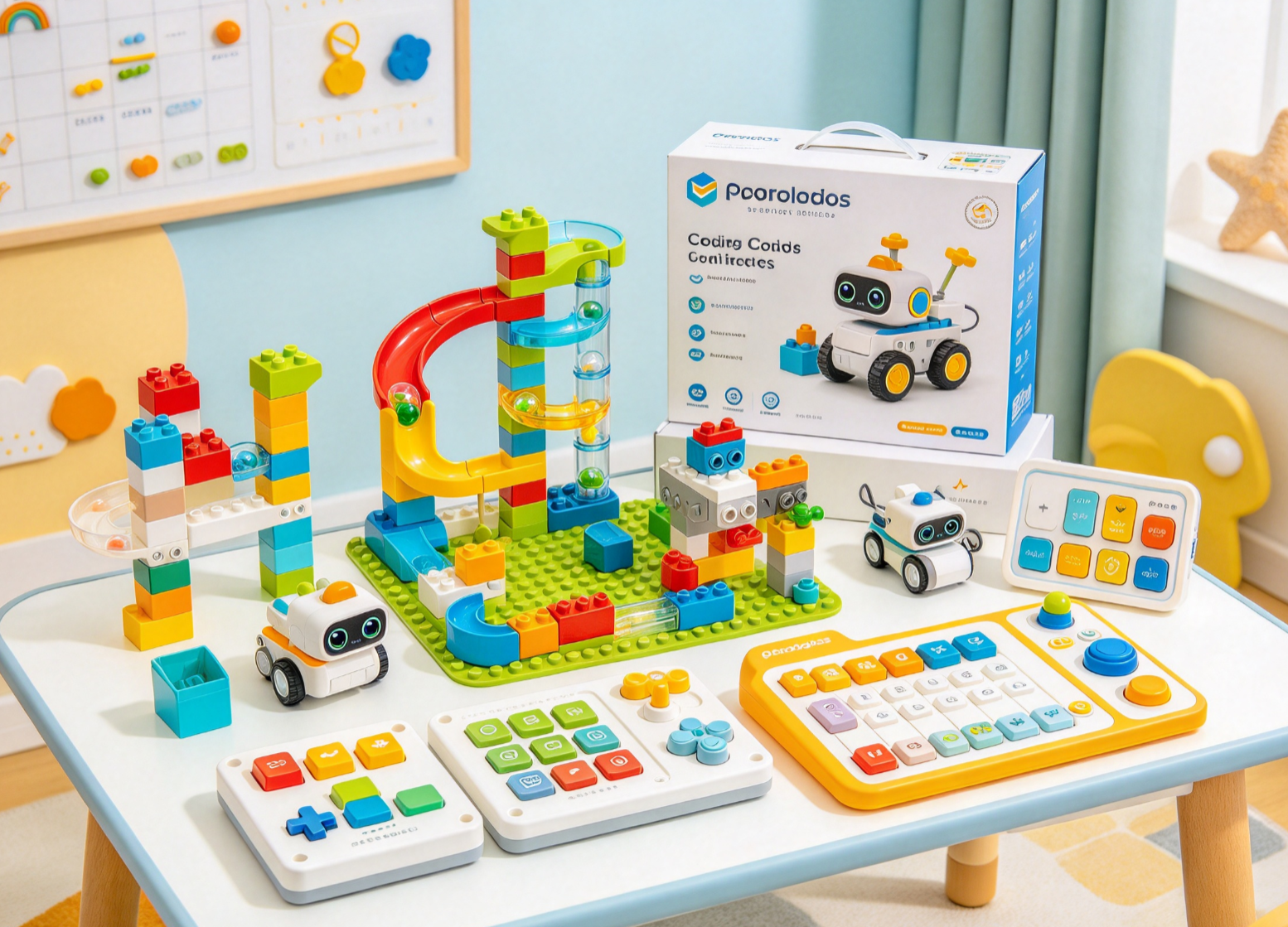
How to Pick the Best Programmable Building Toys for Kids (And Actually Use Them)
Learn how to choose, set up, and get the most from the best programmable building toys for kids — plus why BrickHobby is a great LEGO-compatible pick.
Kids & Toddlers Bricks
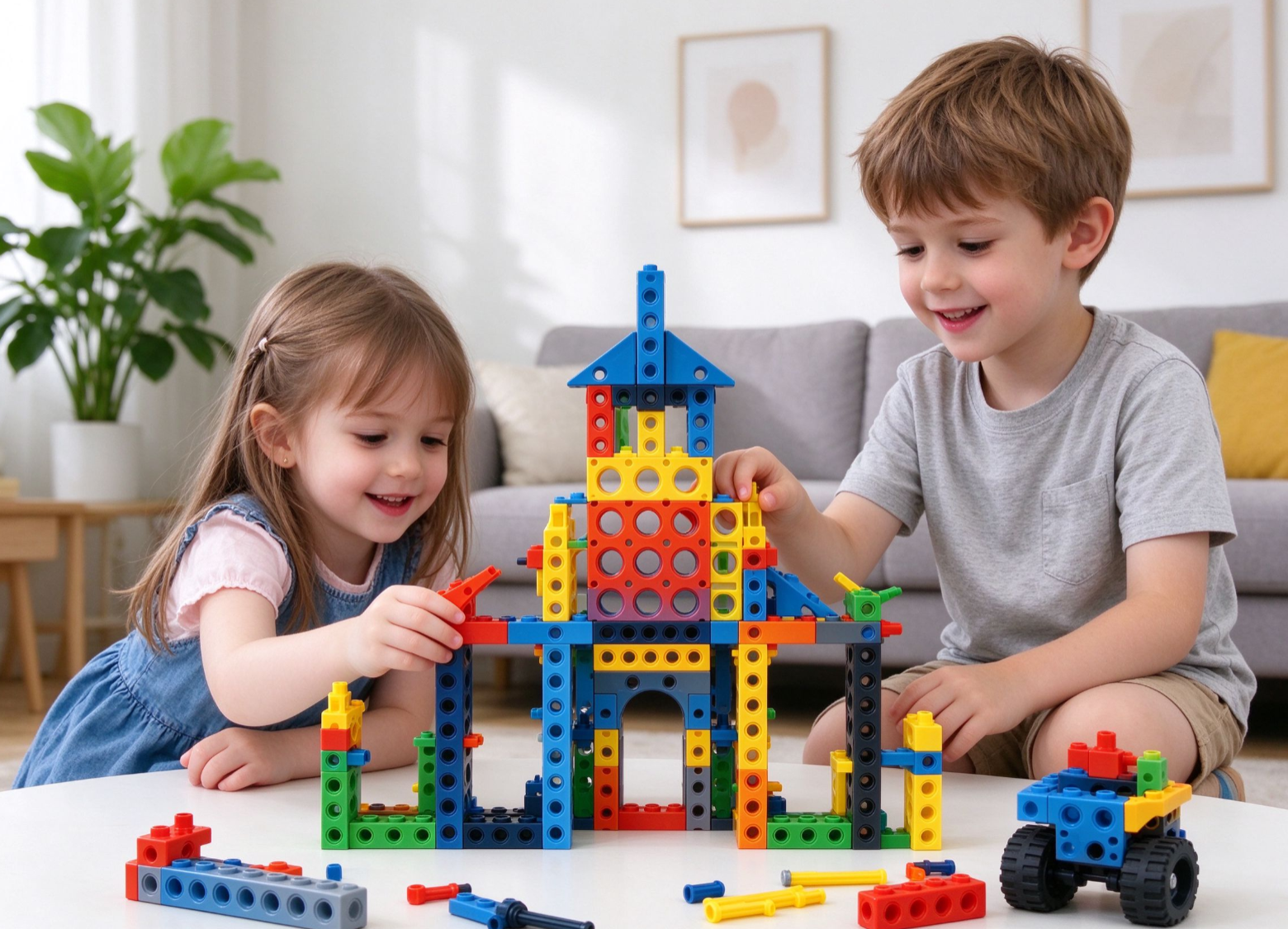
How to Choose the Best STEM Building Toys for Kids in 2026
Find the best STEM building toys for kids in 2026 with this age-by-age guide covering safety, materials, and smart LEGO alternatives.
Kids & Toddlers Bricks
Finding the Best Building Block Toys for Kids Above 6
Learn how to choose the best building block toys for kids above 6, plus tips for maximizing creative play and picking a LEGO alternative brand you can trust.