How to Choose the Best STEM Building Toys for Kids in 2026
How to Choose the Best STEM Building Toys for Kids in 2026
TL;DR: The best STEM building toys for kids 2026 combine open-ended design, safe materials, and real engineering challenge. Look for age-matched piece sizes, certified ABS plastic, and sets that teach balance, structure, and problem-solving. We'll walk you through each step, plus what to check before you buy.
We want your child to build something they're proud of. That's the whole point of a good STEM toy. Not just entertainment, but a small taste of real engineering, offered in a shape little hands can hold.
Choosing the right set can feel harder than it should. Shelves are full of boxes that promise "STEM learning" without explaining what that actually means. Some are just colorful blocks with a science label stuck on. Others genuinely teach balance, structure, and cause and effect.
This guide is here to help you sort one from the other. We'll walk through what makes a toy genuinely educational, how to match a set to your child's age and skill level, and what to look for if you're comparing LEGO against alternative brands. By the end, you'll know exactly what to check before you buy.
Why STEM Building Toys Matter for Kids in 2026
STEM stands for science, technology, engineering, and math. But for a five-year-old stacking bricks, it just looks like play.
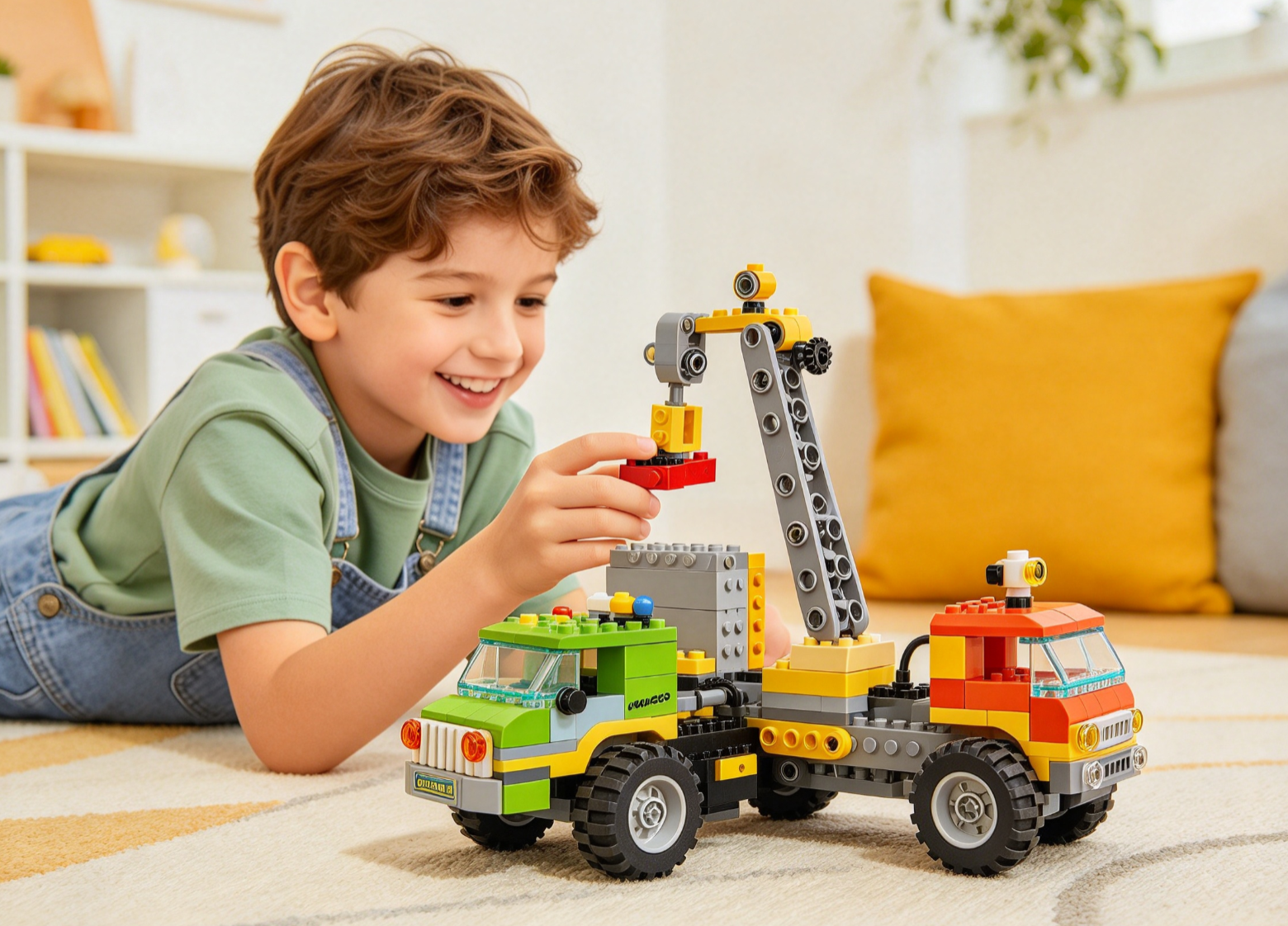
That's the beauty of it. Good building toys teach real skills without feeling like a lesson. A child who builds a bridge learns about weight distribution. A child who builds a tower learns about balance. They don't know they're learning physics. They just know the tower fell down, so they try again.
Screen time keeps climbing every year, and many parents are actively looking for ways to balance it with hands-on play. Building sets offer something screens can't: a physical object your child made with their own hands, piece by piece.
There's a social side too. Families report that shared building sessions are a reliable way to spend focused time together, away from devices. A weekend spent assembling a castle or a rocket becomes a shared project, not just a solo activity.
For families searching for the best STEM building toys for kids 2026, the goal isn't just a new toy. It's a tool that supports attention span, patience, and problem-solving, wrapped in something fun enough that your child actually wants to pick it up.
How to Identify Quality STEM Building Toys
Not every brick set is created equal. Here's what separates a genuinely educational toy from one that just looks the part.
Open-ended building. A true STEM toy doesn't lock a child into one single outcome. It invites rebuilding, redesigning, and trying again.
Real engineering challenge. Does the set require planning? Does it teach balance, symmetry, or structural support? If a child can finish it in five minutes without thinking, it's probably not teaching much.
Durable, safe materials. Cheap plastic cracks, fades, and sometimes contains materials you don't want near your child's mouth. Look for certified, non-toxic ABS plastic with smooth edges.
Clear instructions. Confusing manuals frustrate kids fast. Good sets use clear diagrams, numbered steps, and piece counts that match what's in the box.
Age-appropriate complexity. A toy pitched too young bores an older child. One pitched too old leads to tantrums and frustration. Matching skill level matters more than almost anything else.
Keep these five points in mind as a quick mental checklist. They'll guide you through almost every other decision in this guide.
Step-by-Step Guide: Choosing the Right STEM Building Toy for Your Child
Step 1: Consider Your Child's Age and Skill Level
Age isn't just a number on the box. It's a rough guide to hand strength, attention span, and problem-solving ability.
Toddlers under three need chunky, oversized pieces that are easy to grip and impossible to swallow. Kids aged five to eight can usually manage smaller pieces and simple instructions, especially with a parent nearby. By age nine and up, most children are ready for sets with hundreds, even thousands, of pieces and genuinely complex builds.
Watch your child during play, not just their birthday. Some seven-year-olds are ready for advanced sets. Some ten-year-olds still prefer simpler builds. Trust what you see, not just the number on the box.
Step 2: Look for Open-Ended Play Potential
A set that can only be built one way loses its appeal fast. The best toys invite your child to take it apart and build something new.
Ask yourself: can this set be rebuilt into a different shape? Does it come with instructions for alternate builds? Does your child's imagination have room to take over once the official build is done?
Open-ended sets stay in rotation for years. Closed, single-outcome toys often end up in a bin within weeks.
Step 3: Check Safety Standards and Materials
This step isn't optional. Look for certifications like CE (Europe) or ASTM F963 (United States) printed clearly on the box. These confirm the toy has passed testing for choking hazards, toxic materials, and structural safety.
Check the plastic itself. Quality ABS plastic has a slight weight and a tight, satisfying click when pieces connect. Cheap plastic often feels brittle, has rough edges, and may snap or fade within months.
If you're buying for a child under three, confirm the pieces are sized to prevent choking. Many brands clearly label minimum age requirements for exactly this reason.
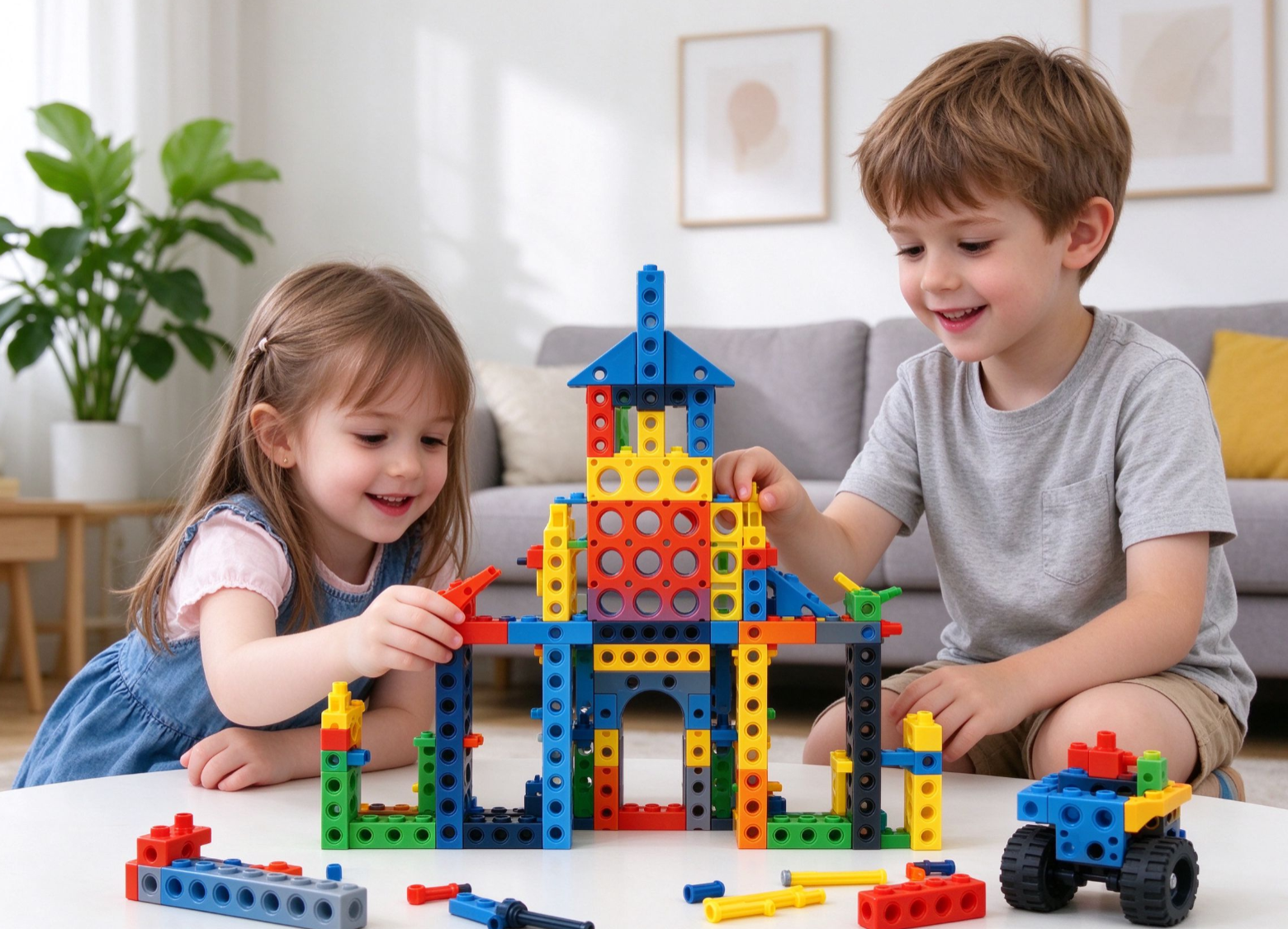
Step 4: Evaluate Educational Value
Ask what skill the set actually teaches. A castle set teaches architecture and symmetry. A vehicle set teaches mechanics and movement. A city set teaches spatial planning.
Look past the marketing copy and picture what your child will physically do while building. Will they sort pieces by color and shape? Will they follow a multi-step sequence? Will they problem-solve when a piece doesn't fit as expected? These moments are where the real learning happens.
Step 5: Compare Value for Money (LEGO Alternatives)
LEGO sets are excellent, but they come at a premium price, and larger architectural sets can run into the hundreds of dollars. This is where LEGO-compatible alternative brands have become a smart option for families watching their budget.
Brands like BrickHobby offer collector-grade, detailed sets at a fraction of the price of official LEGO equivalents, while remaining compatible with existing LEGO collections. For a family with multiple kids, or a child who burns through sets quickly, that price difference adds up fast.
When comparing value, check piece count against price, confirm compatibility with existing brick collections, and look at how the company handles missing or broken pieces. A fair return and replacement policy says a lot about how much a brand stands behind its product.
Top Features to Look for in STEM Building Sets
A few specific features consistently separate the best sets from the rest:
- Tight clutch power. Pieces should click together firmly without wobbling apart during play.
- Vivid, fade-resistant color. Cheap dyes fade within months under sunlight or handling.
- Numbered builder bags. These make large builds far less overwhelming for kids working through a set independently.
- Realistic detail. Architecture and vehicle sets that reflect real-world structures help kids connect building play to the world around them.
- Replacement part support. Pieces go missing. A brand that replaces lost bricks free of charge saves you from a half-finished model sitting in a drawer.
These features matter most in sets with higher piece counts, where a single missing or weak piece can derail the whole build.
How BrickHobby Stands Out as a LEGO Alternative
We built BrickHobby because we believe every family should have access to genuinely well-made building sets, not just families who can afford premium pricing.
Each BrickHobby landmark set begins as a photogrammetry scan of a real building. Our designers translate every roofline, every tile, into stud-perfect brick architecture. That means your child isn't just stacking bricks. They're recreating a real place, piece by piece.
We use premium ABS plastic with tight clutch and fade-resistant color, so sets hold up through years of play and display. And if a piece goes missing mid-build, we replace it free, for life. That's a promise, not a marketing line.
Our kids and toddler starter sets use chunky, safety-tested bricks sized for small hands, while our flagship landmark series offers thousands of pieces for older builders ready for a real challenge. Whatever stage your child is at, we hope there's a set in our collection that fits them.
We ship from EU and US warehouses to more than 40 countries, usually within 48 hours. No long waits, no guessing when the box will arrive.
Tips for Getting the Most Out of STEM Building Toys
Buying the right set is only half the job. Here's how to help your child get the most from it once it's in their hands.
Build alongside them, especially at first. Younger kids benefit from a parent sitting nearby, not taking over, just being present.
Let them struggle a little. Resist the urge to fix every mistake immediately. Working through a stuck piece builds patience and problem-solving skill.
Display finished builds. A shelf of completed models gives kids a visible sense of progress and pride.
Encourage rebuilding. Once the official build is done, invite your child to take it apart and build something of their own design.
Rotate sets by age. As your child grows, move simpler sets aside and introduce more complex builds to match their developing skill level.
Browse our full STEM-focused collection to find a set that matches exactly where your child is right now.
Build Something Worth Keeping
Choosing the best STEM building toys for kids 2026 comes down to five things: the right age match, open-ended design, safe materials, genuine educational value, and fair pricing. Walk through those five checkpoints before you buy, and you'll rarely go wrong.
We hope this guide makes that choice a little easier. And we hope, whatever set you choose, your family finds real joy in building it together.
Frequently Asked Questions
What age is right for STEM building toys?
Most children can start with chunky, oversized building sets around age two or three. By age five to eight, kids are usually ready for smaller pieces and more detailed builds. Children nine and up can typically handle advanced sets with hundreds or thousands of pieces.
Are LEGO alternatives like BrickHobby actually compatible with LEGO sets?
Yes. BrickHobby bricks are designed to connect with existing LEGO collections, so your child can combine sets from both brands in the same build.
How much should I expect to spend on a quality STEM building set?
Prices vary widely by piece count and complexity. Smaller starter sets often cost under $30, while large architectural or landmark sets can range from $100 to several hundred dollars. LEGO-compatible alternative brands typically offer the same piece count and detail at a noticeably lower price.
What should I do if my child loses a piece from their set?
Check whether the brand offers a replacement policy. BrickHobby, for example, replaces any missing brick from a set free of charge, so a lost piece doesn't mean a permanently unfinished build.
Can STEM building toys really improve a child's problem-solving skills?
Yes. Building toys require planning, sequencing, and trial and error, all of which are foundational problem-solving skills. The effect is strongest with open-ended sets that encourage rebuilding and experimentation, rather than single-outcome kits.
Ready to build this yourself?
BrickHobby sells high-quality LEGO-alternative building block sets — the same brick standard, a fraction of the price. Browse our in-stock sets and simply contact our customer service team to place your order; we will confirm availability, pricing and worldwide shipping for you.
Keep reading

Kids & Toddlers Bricks
How to Choose the Best Magnetic Building Toys for Kids
Learn how to choose the best magnetic building toys for kids, from safety tips to picking the right set for your child's age and skill level.
Kids & Toddlers Bricks
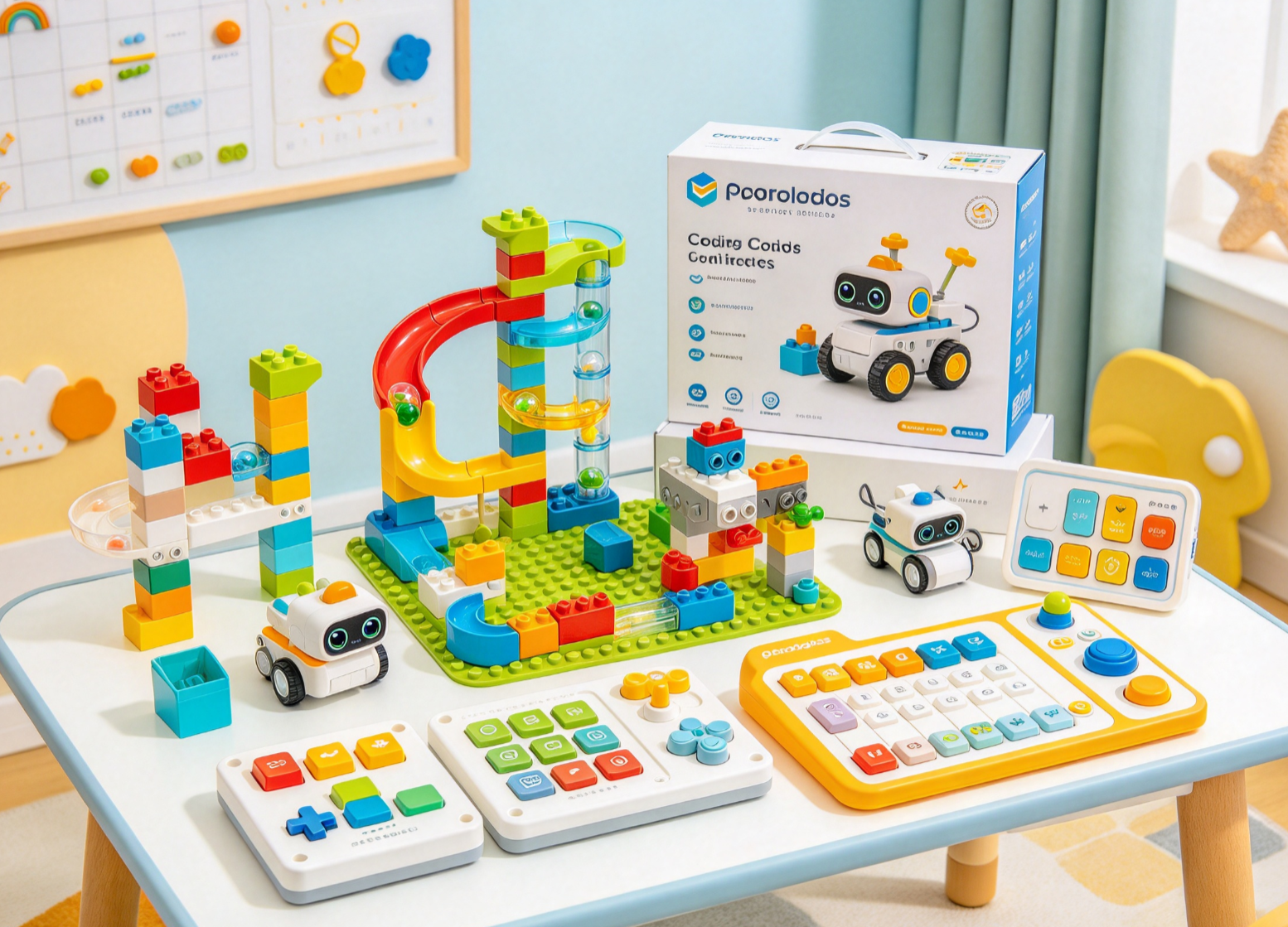
How to Pick the Best Programmable Building Toys for Kids (And Actually Use Them)
Learn how to choose, set up, and get the most from the best programmable building toys for kids — plus why BrickHobby is a great LEGO-compatible pick.
Kids & Toddlers Bricks
Finding the Best Building Block Toys for Kids Above 6
Learn how to choose the best building block toys for kids above 6, plus tips for maximizing creative play and picking a LEGO alternative brand you can trust.