Finding the Best Building Block Toys for Kids Above 6
Finding the Best Building Block Toys for Kids Above 6
Quick answer: The best building block toys for kids above 6 combine smaller, detailed pieces, age-appropriate instructions, and open-ended building possibilities. Look for sets with 200+ pieces, strong material quality, and designs that grow with your child's skills — from guided builds to free-form creativity. BrickHobby offers both options in one collection.
Six is a big turning point for builders. Little hands get steadier. Patience grows. Kids start wanting projects that actually challenge them, not just stack up.
We see this shift all the time. Parents write to us asking the same question: what comes after the chunky toddler blocks? The answer isn't one single toy. It's a category of building sets designed for a new stage of growth — more detail, more structure, more room for imagination to stretch.
This guide walks through what matters when picking the best building block toys for kids above 6, how to use them well once they're home, and what to look for in a brand you can trust long-term. We hope it helps you find something your child will actually finish, be proud of, and want to build again.
Why Building Block Toys Matter for Kids Above 6
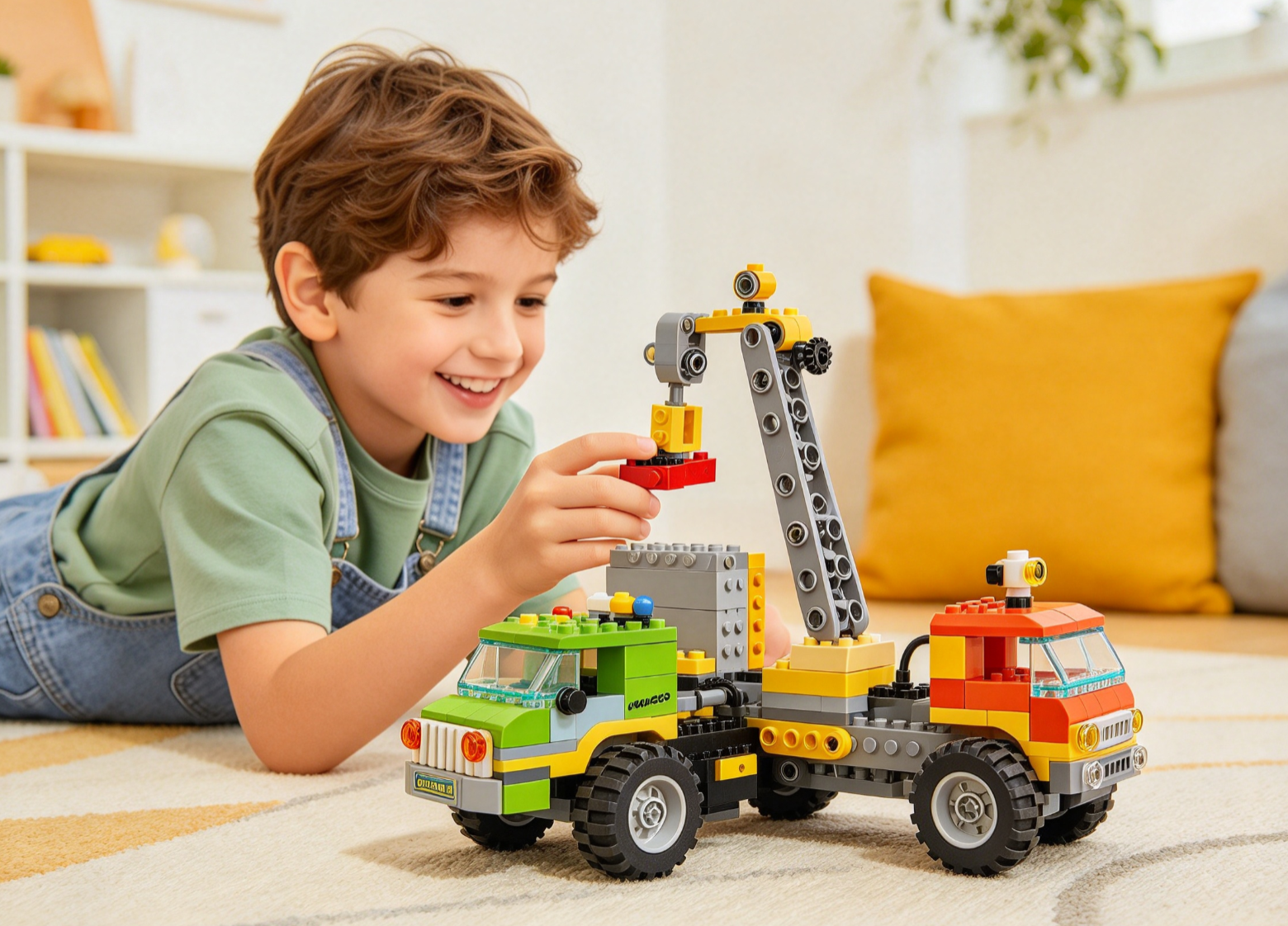
Something changes around age six. Kids move from exploring shapes to wanting a plan. They want to follow steps, see a result, and then take it apart and make something new.
This is exactly where building blocks do their best work.
Fine motor skills keep developing. Smaller pieces require more precise hand movements than toddler bricks. Sorting, snapping, and placing tiny parts builds dexterity that carries over into writing, drawing, and other everyday tasks.
Problem-solving becomes concrete. A building instruction booklet is a sequence of logical steps. Kids learn to read ahead, spot mistakes, and self-correct — skills that quietly support math and reading comprehension too.
Patience gets practiced, not preached. A 300-piece castle doesn't finish in ten minutes. Kids above six are ready for that kind of sustained focus, and finishing a big build teaches persistence in a way that feels like play, not a lesson.
Creativity has more room to work. Once a child understands how bricks connect, they stop just following the instructions and start remixing them. A spaceship becomes a submarine. A castle tower becomes a lighthouse. That leap from "follow the steps" to "make it mine" is one of the most valuable parts of building play.
For families focused on STEM skills — and we hear from a lot of you who are — building blocks offer an early, hands-on introduction to engineering concepts like balance, structure, and spatial reasoning. No worksheets required.
How to Choose the Best Building Block Toys for Kids Above 6
Walking into a toy aisle (or scrolling an online shop) with no plan can be overwhelming. Here's what actually matters when you're comparing sets.
Piece size and count
Kids above six are ready for smaller pieces than toddler sets use. Look for sets in the 150–500 piece range to start, moving up as your child's skills grow. Too few pieces and the build feels too easy. Too many too soon, and it feels like a chore instead of fun.
Age and skill-level labeling
Most reputable brands label their sets with a recommended age and sometimes a difficulty rating. These labels aren't arbitrary — they reflect piece complexity, instruction length, and the fine motor demands of the build. Starting slightly below your child's age is usually safer than starting above it. A win builds confidence. A struggle too early can turn a kid off building altogether.
Material quality and brick compatibility
This one matters more than people expect. Cheap bricks warp, fade, or don't click together with a satisfying, secure fit. Look for ABS plastic construction, consistent color across pieces, and — ideally — compatibility with other major brick systems so your child's collection can grow without starting over every time. You can browse BrickHobby's full brick collection to see what consistent, tight-clutch quality looks like compared to lower-cost alternatives.
Open-ended vs. guided builds
Guided sets (think themed kits with step-by-step instructions) are great for teaching sequencing and giving kids a sense of accomplishment. Open-ended sets — bins of mixed bricks with no single "right" build — are better for pure creativity. The best building block toys for kids above 6 usually include a bit of both, or your toy shelf should.
Interest alignment
A dinosaur-obsessed kid will stick with a dinosaur build far longer than a generic set that doesn't speak to their current obsession. Pay attention to what your child already loves — space, animals, vehicles, architecture — and look for sets that connect building to that interest.
Replacement and support policies
Pieces get lost. It happens in every household, every single time. A brand that offers piece replacement, like BrickHobby's promise to replace any missing brick from a set, saves you from an unfinished build sitting half-done on a shelf for months.
Step-by-Step Guide: Getting the Most Out of Building Block Play
Buying the right set is step one. Here's how to make the most of it once it's home.
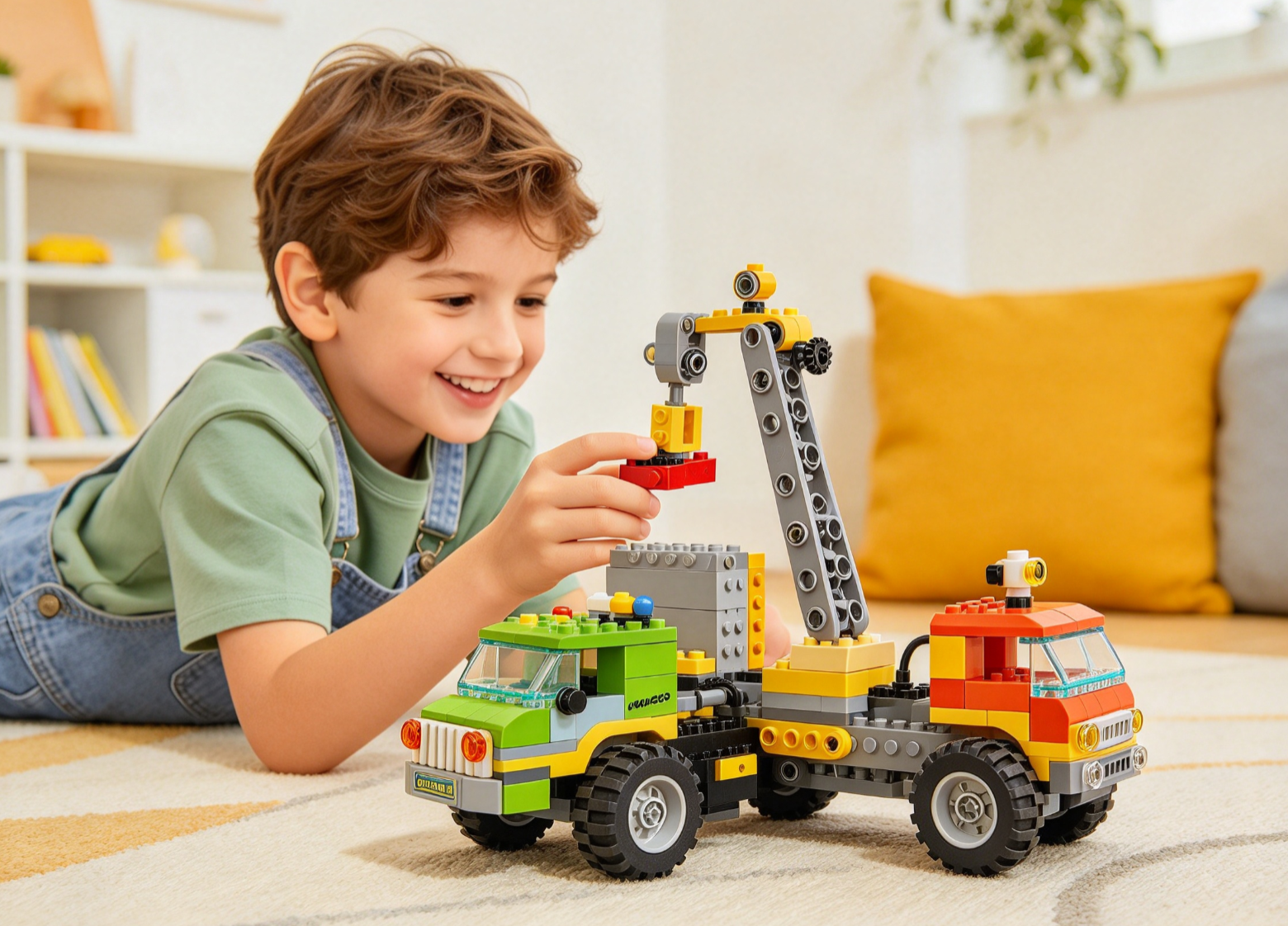
Step 1: Set up a dedicated building space. A clear table or floor mat keeps pieces organized and reduces the frustration of lost parts mid-build. A shallow tray or sorting tray for loose pieces helps a lot too.
Step 2: Sort pieces before starting. For larger sets, have your child group pieces by color or size before opening the instructions. This small step teaches organization and makes the actual build go faster and smoother.
Step 3: Read instructions together, then step back. For a child's first few guided builds, sit with them and walk through the first few steps. Once they get the rhythm, let them take over. Hovering too much removes the sense of accomplishment that makes building rewarding.
Step 4: Celebrate the finished build — then take it apart. This part surprises a lot of parents. Once a build is done and admired, encourage your child to break it apart and build something new from the same pieces. This is where real creativity kicks in, beyond just following instructions.
Step 5: Rotate in open-ended challenges. Every few weeks, skip the instructions entirely. Ask your child to build "the tallest tower that won't fall" or "an animal that doesn't exist yet." These prompts turn building into imaginative play rather than a repeatable task.
Step 6: Display finished builds, even briefly. A shelf, a windowsill, a spot on a bookcase — giving a finished model a place of pride, even for a week, reinforces the sense of achievement that keeps kids coming back to build again.
What to Look for in a LEGO Alternative Brand
Plenty of families are exploring LEGO alternative brands these days, often for better value without losing quality. If you're considering a switch, here's what separates a brand worth trusting from one that will leave you disappointed.
Brick compatibility. The best alternative brands manufacture bricks that connect seamlessly with existing collections, so your child's years of accumulated pieces still work together.
Consistent clutch and color. Pick up a brick and snap it to another. It should hold firmly without excessive force and without falling apart on its own. Color should stay vivid build after build, wash after wash.
Design variety across skill levels. A good brand offers starter sets for younger kids above six alongside more advanced builds for growing skill levels, so families don't have to switch brands as their child develops.
Transparent sourcing and safety testing. Look for brands that are upfront about safety certifications and material sourcing, especially for sets aimed at younger builders.
A real promise behind the product. We believe in this one strongly, because it's the one we live by ourselves. BrickHobby was designed in Lisbon by a team who wanted to bring more accessible, detailed building sets to families in the US and Europe. Each landmark set in our architecture collection starts as a photogrammetry scan of a real building, so what your child builds in an afternoon is based on something that genuinely exists in the world. We know we still have room to grow as a brand, and we're working on it every day — but we try to back every set with honest support, including replacing any lost piece, free, for life.
Tips for Parents: Maximizing Creative Play
A few small habits can turn building blocks from an occasional toy into a lasting hobby.
Build alongside your child sometimes, not every time. Shared building time is a wonderful bonding activity, but kids above six also need solo building time to develop independence and problem-solving skills on their own.
Resist the urge to fix mistakes immediately. If a tower leans or a step gets missed, let your child notice and troubleshoot it first. This is where real engineering thinking develops.
Mix guided sets with loose brick bins. Instructions teach sequencing. Loose bricks teach invention. Both matter, and a healthy building habit includes both.
Connect builds to other interests. If your child loves a book, movie, or animal, ask if there's a brick version of it, or challenge them to design their own. This keeps building play fresh and personally meaningful.
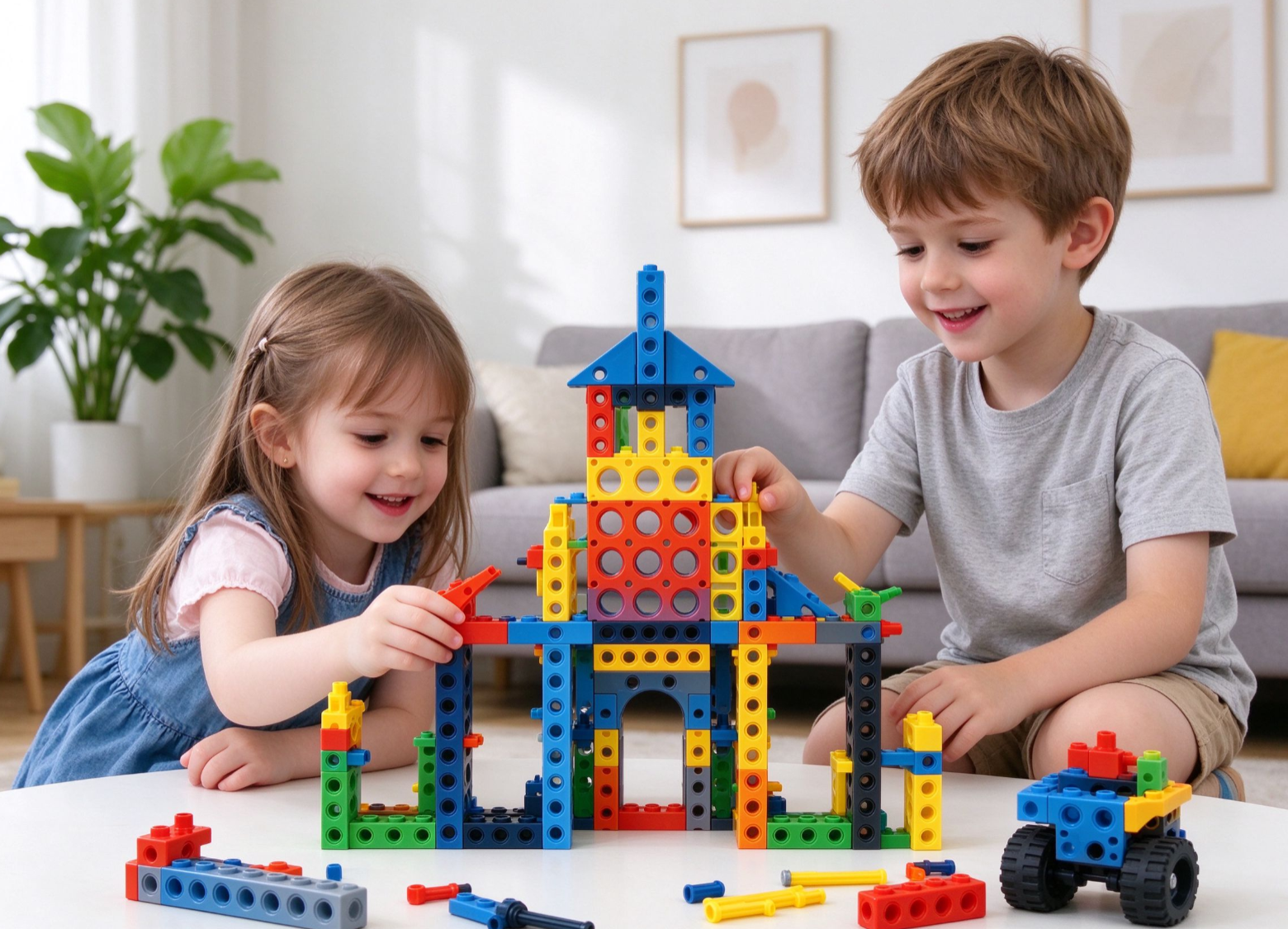
Involve siblings or friends for bigger builds. Larger, more complex sets become even more rewarding as a shared project. Teamwork on a big build teaches communication alongside the building skills themselves.
Keep a "parts bin" for creative overflow. Save spare pieces, broken-off parts, and odd bricks in a dedicated bin for free building. Some of the most inventive creations come from kids given total freedom and a pile of mismatched pieces.
If you're just starting to explore sets for your family, our best-selling building sets ship within 48 hours and cover a wide range of ages and skill levels, so you can find the right starting point without the guesswork.
Building a Lifelong Hobby, One Set at a Time
Choosing the best building block toys for kids above 6 isn't really about finding one perfect box. It's about understanding where your child is right now — their patience, their interests, their skill level — and picking sets that meet them there.
Start with a set slightly below what you think they're ready for. Let them finish it, feel proud of it, and then take it apart. Mix structure with freedom. Celebrate the mess along with the masterpiece.
We hope your family finds building sets that spark real curiosity, not just screen-time replacement. That's genuinely what we're trying to build, one brick at a time\~
Frequently Asked Questions
What age range is best for starting more detailed building block sets?\
Most detailed building sets, with smaller pieces and multi-step instructions, work well starting around age six. Every child develops at their own pace, so starting with a slightly lower piece count and moving up as confidence grows is usually the safer path.
How many pieces should a building set have for a 6 to 8-year-old?\
Sets in the 150 to 500 piece range are a good starting point for kids aged six to eight. Children with more building experience can comfortably move toward 500 to 1,000 pieces as their patience and skill develop.
Are LEGO alternative brands as good as LEGO sets?\
Quality varies a lot across alternative brands, so it's worth checking for ABS plastic construction, consistent clutch power, and brick compatibility. Trusted alternative brands like BrickHobby focus on matching that tight-fit quality while offering more design variety at a lower price point.
What should I do if my child loses pieces from a set?\
Choose brands that offer piece replacement policies, since lost pieces are common and can leave a build unfinished indefinitely. BrickHobby, for example, replaces any missing brick from a purchased set for free.
Can building blocks really help with STEM skills?\
Yes. Building with blocks introduces children to early engineering concepts like balance, structure, and spatial reasoning through hands-on practice rather than formal instruction. Many educators consider block building one of the most natural, low-pressure ways to build STEM thinking in young children.
Ready to build this yourself?
BrickHobby sells high-quality LEGO-alternative building block sets — the same brick standard, a fraction of the price. Browse our in-stock sets and simply contact our customer service team to place your order; we will confirm availability, pricing and worldwide shipping for you.
Keep reading

Kids & Toddlers Bricks
How to Choose the Best Magnetic Building Toys for Kids
Learn how to choose the best magnetic building toys for kids, from safety tips to picking the right set for your child's age and skill level.
Kids & Toddlers Bricks
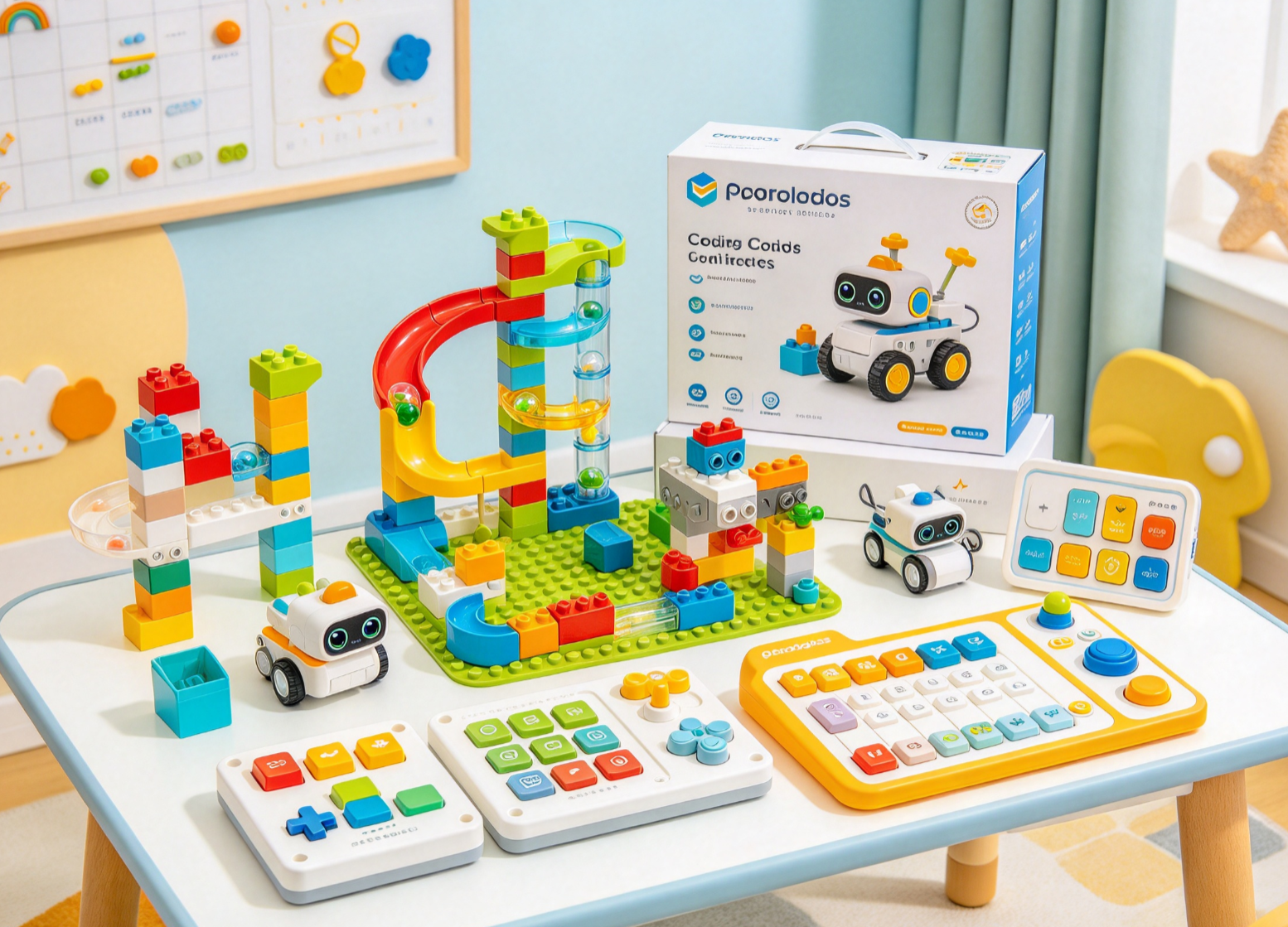
How to Pick the Best Programmable Building Toys for Kids (And Actually Use Them)
Learn how to choose, set up, and get the most from the best programmable building toys for kids — plus why BrickHobby is a great LEGO-compatible pick.
Kids & Toddlers Bricks
How to Choose the Best STEM Building Toys for Kids in 2026
Find the best STEM building toys for kids in 2026 with this age-by-age guide covering safety, materials, and smart LEGO alternatives.