How to Choose the Best Value Building Toys for Kids (Parent's Guide)
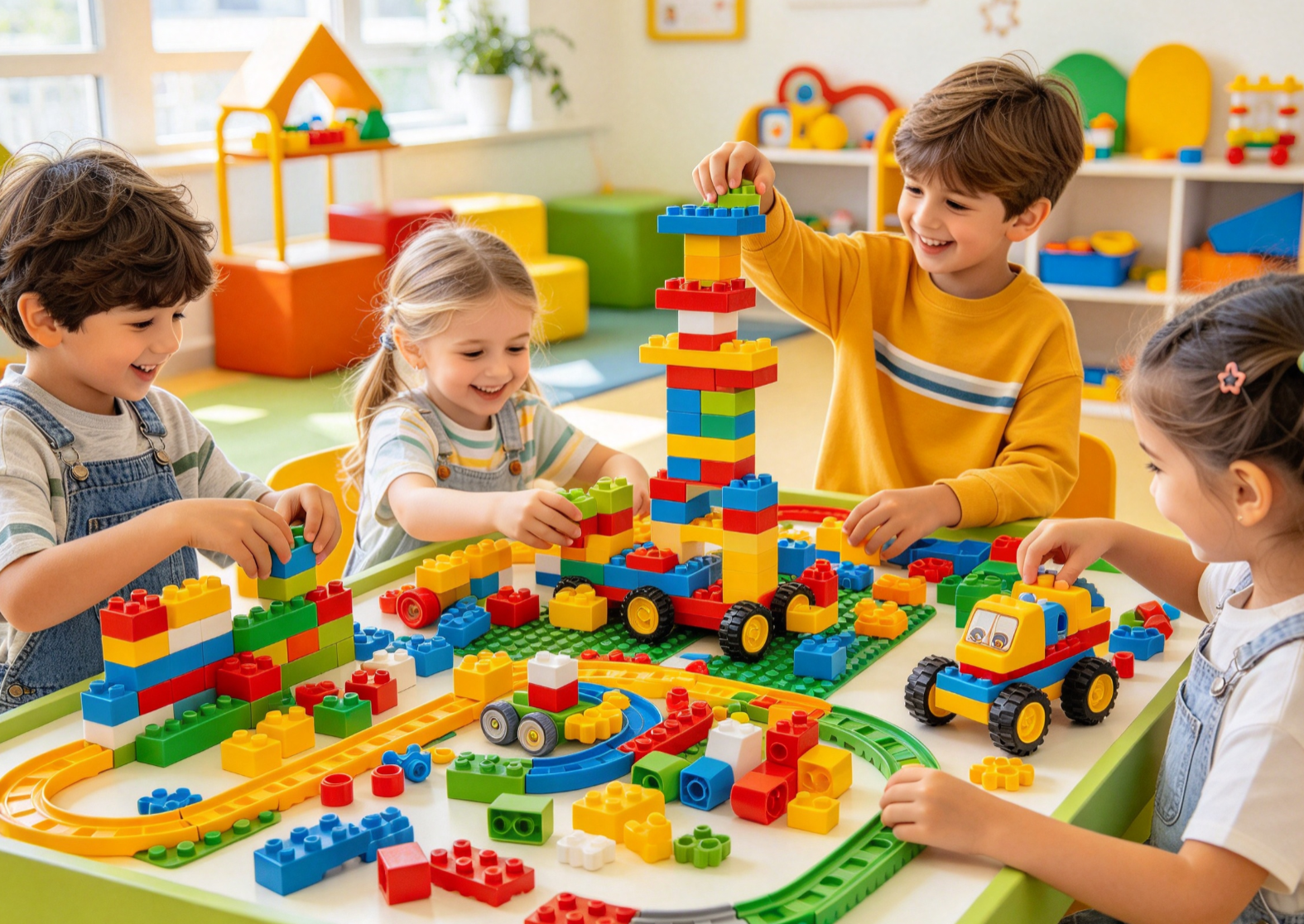
How to Choose the Best Value Building Toys for Kids (Parent's Guide)
TL;DR: The best value building toys for kids balance price, piece count, safety certifications, and play longevity — not just the lowest price tag. Match the set to your child's age and skill level, verify CE/ASTM safety marks, and check brick compatibility before buying. Brands like BrickHobby offer LEGO-compatible sets at a fraction of the cost without sacrificing build quality.
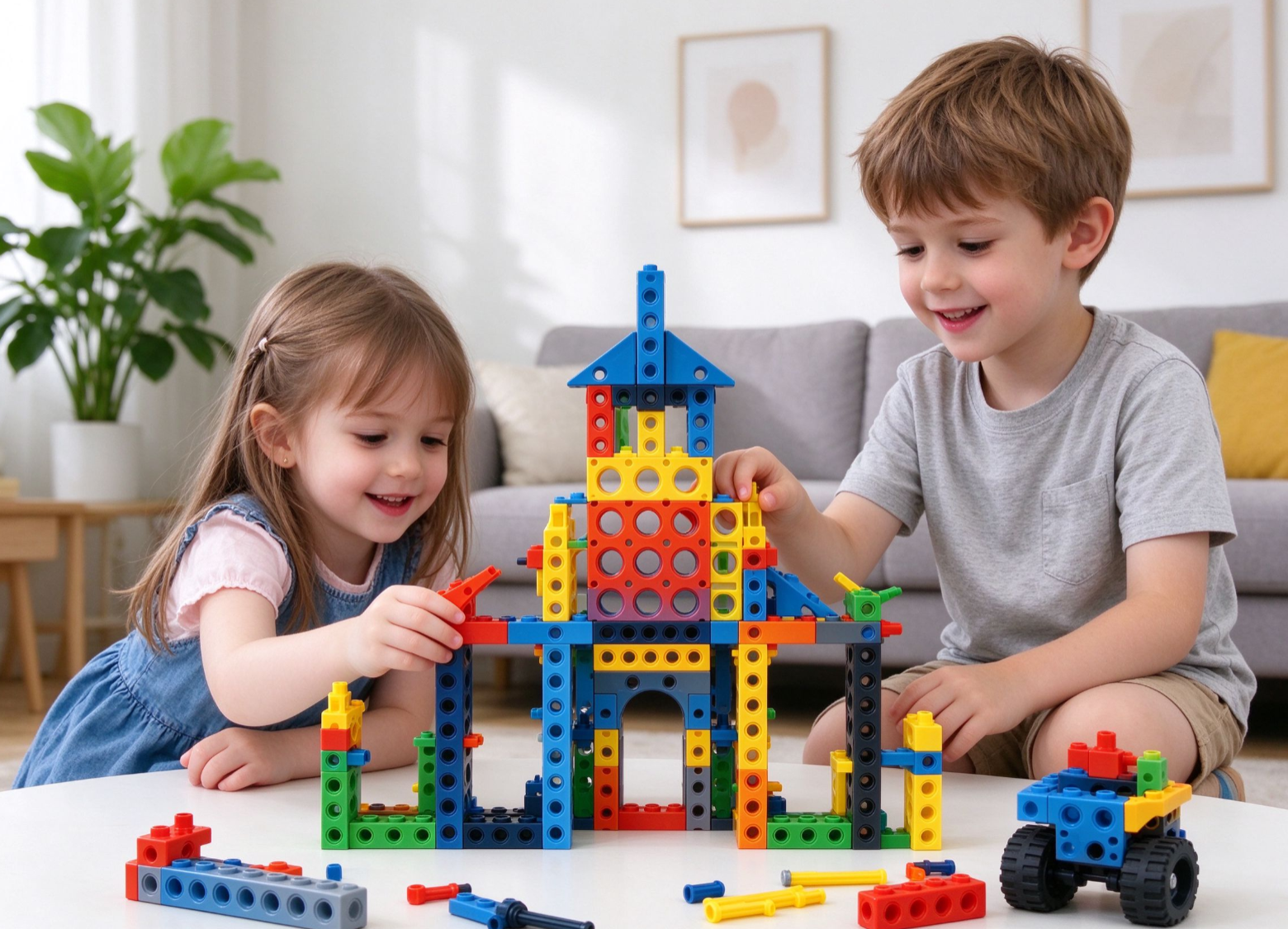
Building toys do more than fill an afternoon. They teach spatial reasoning, patience, and problem-solving — skills that stick with kids long after the last brick is clicked into place. For families across the US and Europe, building sets have become a go-to for screen-free playtime that still feels rewarding, both for the kid stacking bricks and the parent watching them figure things out on their own.
But walk into any toy aisle — or scroll any online store — and you'll hit a wall of choices. Hundreds of sets, dozens of brands, and prices that range from pocket change to a small fortune. Figuring out which one is actually worth your money takes more than picking the box with the coolest picture.
This guide breaks down exactly how to evaluate value in building toys, step by step, so you can buy with confidence instead of guesswork. We'll also look at BrickHobby, a LEGO-compatible brand that's built a following among parents and hobbyists looking for quality without the premium price.
What Does "Value" Actually Mean in Building Toys?
Value isn't just about the price on the sticker. A $15 set with 50 flimsy pieces that break on first use isn't a better deal than a $40 set with 500 durable, reusable pieces your child builds with for years.
True value comes down to four things working together:
- Durability — Can the pieces survive repeated building, rebuilding, and the occasional drop?
- Compatibility — Does the set work with other building systems your child already owns?
- Educational return — Does it teach something: engineering logic, fine motor skills, following instructions?
- Cost per play hour — How much enjoyment does your family get relative to what you paid?
Once you look at value through this lens, it becomes much easier to compare a $60 licensed set against a $25 generic one and know which is actually the smarter buy. The rest of this guide walks through exactly how to apply that lens, step by step.
Step 1: How Do You Match a Building Toy to Your Child's Age and Skill Level?
Age recommendations on packaging are a starting point, not a rule. A 6-year-old who's been building since age 3 might handle a 500-piece set with ease, while a same-age first-timer could get frustrated by anything beyond 100 pieces.
Look at three things instead of just the age label:
- Fine motor development. Younger kids (ages 3–5) do better with larger, chunkier pieces that are easier to grip and connect.
- Attention span. Sets with modular stages — build a section, play with it, build the next — keep younger builders engaged longer than one giant continuous build.
- Prior experience. If your child has built with similar interlocking brick systems before, they can usually jump up a skill tier without issue.
Buying a set slightly above your child's current skill level, with your help for the trickier steps, often creates more long-term value than buying one they'll outgrow in a month.
Step 2: Is a Higher Piece Count Always a Better Deal?
Not necessarily. Piece count is one of the most commonly used value metrics — and one of the most misleading when used alone.
Here's why: a 1,000-piece set made of thin, low-grade plastic with lots of tiny decorative pieces might cost less per piece than a 400-piece set built from thick, structurally sound bricks designed for repeated rebuilding. The second set often delivers more actual play value, even with fewer pieces.
When comparing price per piece, also check:
- Piece size and function. Structural bricks (the kind used to build walls, frames, and bases) matter more for long-term play than decorative add-ons.
- Reusability. Can the pieces be pulled apart and reused in other builds, or are they single-purpose?
- Material grade. Higher-grade ABS plastic resists yellowing, warping, and breaking far better than cheaper alternatives.
A good rule of thumb: compare price-per-piece within similar material quality tiers, not across brands with wildly different manufacturing standards. This is one of the clearest ways to spot the best value building toys for kids without falling for a set that just looks bigger on paper.
Step 3: Which Safety Certifications Should You Check Before Buying?
This step is non-negotiable, especially when shopping for children under 8. Safety certifications confirm that a toy has been independently tested for choking hazards, toxic materials, and structural risks.
Look for these marks depending on where you're shopping:
- CE marking — required for toys sold in the European Union and UK, confirming compliance with EU safety directives.
- ASTM F963 — the US standard for toy safety, covering everything from small parts to flammability.
- EN71 — a European safety standard specifically for toys, often listed alongside CE marking.
If a building toy set doesn't list any safety certification on its packaging or product page, treat that as a red flag — regardless of how good the price looks. Reputable brands, including BrickHobby's certified building sets, list these certifications clearly because compliance isn't optional for toys marketed to children.
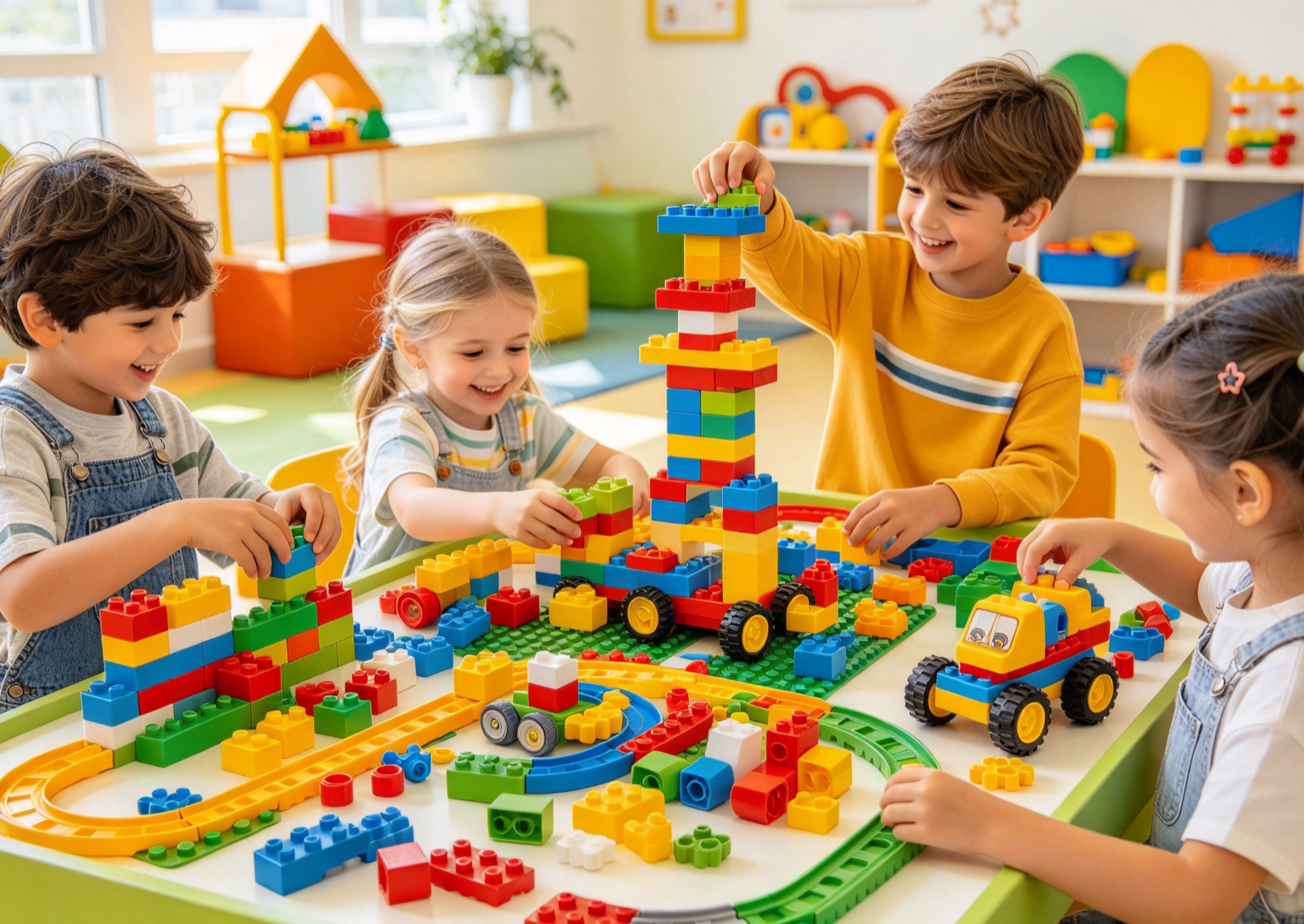
Step 4: How Do You Judge Theme and Play Value?
Theme sells the set, but play value is what determines whether it gets played with once or becomes a repeat favorite. A licensed theme — dinosaurs, space, castles, city life — grabs attention on the shelf, but ask yourself how the set holds up after the novelty wears off.
Sets with higher play value tend to share a few traits:
- Multiple build options. Sets that can be reconfigured into different models get more mileage than single-build kits.
- Interactive elements. Moving parts, opening doors, or mechanisms that do something tend to hold attention longer than static displays.
- Open-ended potential. Kids who can mix pieces from a themed set into free-building projects get more creative value over time.
A set themed around your child's current obsession will always win the first week. A set that supports open-ended building wins the following months.
Step 5: Why Does Brand Reputation and Brick Compatibility Matter?
Brand reputation isn't about chasing the most famous logo — it's about trust in manufacturing consistency. A reputable building toy brand delivers pieces that fit together precisely, every single time, without wobble or warping.
Compatibility is just as important. Many families build up a mixed collection of bricks over the years, and sets that aren't compatible with standard interlocking brick dimensions essentially become isolated islands in the toy box — unusable with anything else your child owns.
Before buying, check whether:
- The brand has consistent, verifiable manufacturing standards.
- The pieces are dimensionally compatible with major building brick systems.
- Other parents or community reviewers confirm fit and durability.
Brands built specifically around compatibility — like BrickHobby — let kids combine new sets with an existing collection instead of starting from scratch every time, which stretches your investment considerably further.
Step 6: Where Can You Find the Best Deals on Quality Building Toys?
Price-hunting the best value building toys for kids means knowing where (and when) to look, not just clicking the first discounted listing you find.
A few strategies that consistently work:
- Shop direct-from-brand sites during seasonal sales. Brands often run deeper discounts on their own storefronts than third-party marketplaces, and you avoid counterfeit risks.
- Subscribe to brand newsletters. Many building toy companies, including BrickHobby's online store, offer first-order discount codes to new subscribers.
- Buy off-season. Holiday-themed or newly released sets tend to drop in price a few months after launch.
- Compare bundle pricing. Multi-set bundles often work out cheaper per piece than buying sets individually, especially for family or sibling gifting.
Patience and a bit of planning can shave a significant amount off your total spend without compromising on quality or safety.
BrickHobby: A Smart LEGO Alternative Worth Considering
For parents who want brick-building quality without premium-brand pricing, BrickHobby has positioned itself as a practical LEGO alternative. The brand focuses on dimensional compatibility with standard interlocking bricks, meaning kids can combine BrickHobby sets with their existing collections instead of keeping separate, incompatible piles of parts.
BrickHobby sets are built from high-grade ABS plastic, tested for durability under repeated building and rebuilding — a meaningful factor for families who rotate through sets often. The brand also lists relevant safety certifications on its product listings, which matters for parents shopping across both US and European markets with different regulatory standards.
For families comparing the best value building toys for kids across multiple brands, BrickHobby is worth a look specifically because it targets the gap between cheap, low-durability generic bricks and expensive licensed sets — offering a middle ground that doesn't sacrifice build quality for affordability. You can browse the full range of themed and modular sets on BrickHobby's website to compare options against your child's current skill level and interests.
Building Smarter, Not Just Bigger
Choosing a building toy doesn't have to mean comparing box sizes or chasing the flashiest theme on the shelf. When you evaluate age-appropriateness, piece quality, safety certification, play value, brand consistency, and price together, the right set becomes obvious — and your money goes a lot further.
Start by assessing where your child currently stands in building skill, then work through the six steps above before adding anything to your cart. A little research upfront saves you from sets that end up forgotten in a bin within weeks, and points you toward ones that get rebuilt again and again.
Frequently Asked Questions
What age is appropriate for building brick toys?\
Most building brick sets are designed for ages 4 and up, with larger, simpler pieces available for toddlers as young as 18 months. Always check the manufacturer's age recommendation alongside your child's actual building experience and fine motor skill level, since these can vary significantly between kids of the same age.
Are LEGO alternative brands like BrickHobby safe for kids?\
Reputable LEGO alternative brands that carry CE, ASTM F963, or EN71 safety certifications meet the same regulatory safety standards as major brick brands. Always verify the certification is listed on the product packaging or listing page before purchasing, regardless of which brand you choose.
Is it worth paying more for a licensed theme building set?\
It depends on what your child values most. Choose a licensed theme set if your child is deeply invested in a specific franchise and will get consistent enjoyment from it. Choose a generic or modular set if you're prioritizing long-term play value and open-ended creativity over a specific character or story.
Can different building brick brands be mixed together?\
Many building brick brands, including BrickHobby, manufacture pieces to standard interlocking dimensions, making them compatible with major brick systems. Always check the product description for compatibility claims before assuming two brands will connect seamlessly.
How many pieces should a building set have for good value?\
There's no universal "right" piece count — value depends on piece quality, size, and material, not quantity alone. A smaller set of durable, reusable structural bricks often delivers more long-term play value than a larger set filled with thin, single-use decorative pieces.
Ready to build this yourself?
BrickHobby sells high-quality LEGO-alternative building block sets — the same brick standard, a fraction of the price. Browse our in-stock sets and simply contact our customer service team to place your order; we will confirm availability, pricing and worldwide shipping for you.
Keep reading

Kids & Toddlers Bricks
How to Choose the Best Magnetic Building Toys for Kids
Learn how to choose the best magnetic building toys for kids, from safety tips to picking the right set for your child's age and skill level.
Kids & Toddlers Bricks
How to Pick the Best Programmable Building Toys for Kids (And Actually Use Them)
Learn how to choose, set up, and get the most from the best programmable building toys for kids — plus why BrickHobby is a great LEGO-compatible pick.
Kids & Toddlers Bricks
How to Choose the Best STEM Building Toys for Kids in 2026
Find the best STEM building toys for kids in 2026 with this age-by-age guide covering safety, materials, and smart LEGO alternatives.