How to Choose the Best Interactive Building Toys for Kids in 2026
Why Interactive Building Toys Matter in 2026
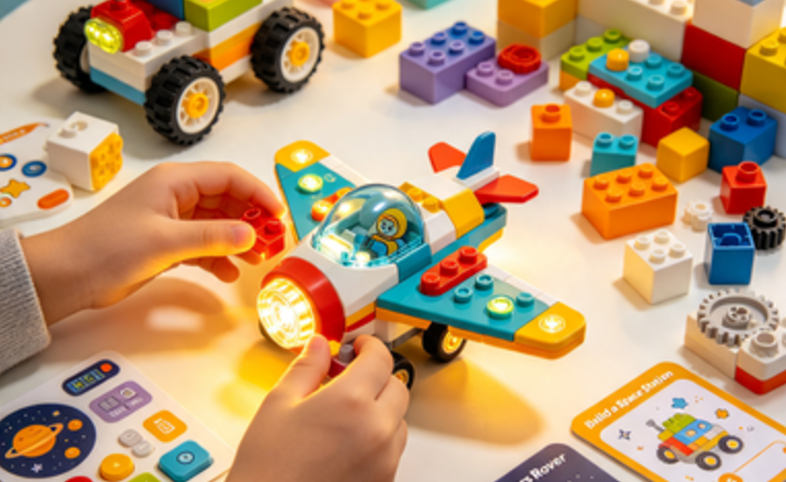
Walk into any toy aisle today and you'll notice something has shifted. Gone are the days when building sets were just plastic bricks in a box with a picture on the front. Modern construction toys now blend tactile play with app integration, motorized components, and open-ended design challenges that keep kids engaged far longer than their predecessors ever did.
For parents and gift-buyers across Europe and North America, this shift presents both opportunity and confusion. There are more options than ever, which is wonderful for finding the right fit, but it also means sorting through marketing claims, inconsistent quality standards, and products that look similar on a shelf yet perform very differently once opened at home.
That's exactly why identifying the best interactive building toys for kids 2026 has become its own small research project for many families. This guide walks through what actually matters when evaluating these toys, how to compare rising LEGO alternatives like BrickHobby against established brands, and how to get genuine long-term value once you've made your pick. By the end, you'll have a clear framework for choosing a set that fits your child's age, interests, and attention span, rather than relying on guesswork or packaging alone.
How to Identify the Best Interactive Building Toys for Kids in 2026
Before comparing specific products, it helps to understand what separates a genuinely interactive building toy from one that merely claims to be. True interactivity usually falls into one of three categories: physical mechanisms (gears, pulleys, motors), digital companionship (apps that guide builds or unlock bonus content), or social/collaborative elements (sets designed for multiple children to build together).
A toy marketed as "interactive" should do more than sit on a shelf once assembled. Look for sets that invite rebuilding, offer multiple configurations, or include some kind of functional payoff, like a vehicle that actually rolls, a mechanism that actually spins, or a companion app that reacts to what's been built. This is one of the clearest signals when researching the best interactive building toys for kids 2026, because it filters out sets that are interactive in name only.
Another identifying factor is community and content support. Brands that publish building guides, host design challenges, or maintain active user communities tend to offer toys with a longer play lifespan. A single box might come with instructions for one model, but a brand with strong online resources effectively multiplies that value by offering dozens of alternative builds using the same pieces.
Key Features to Look For
Once you've narrowed down what "interactive" actually means for your family, the next step is evaluating individual sets against a consistent checklist. Here are the features that matter most.
Age-appropriateness. This sounds obvious, but age ranges printed on packaging are often broader than they should be. A set labeled for ages 6 and up might still contain pieces too small for a child who is developmentally behind their peers in fine motor skills, or conversely, too simple for an advanced builder. Read a few independent reviews rather than relying solely on the box.
Interactivity and replay value. Does the set offer one static build, or does it encourage reconfiguration? Sets with modular components, interchangeable parts, or app-based challenges tend to hold a child's attention over weeks and months rather than days.
Safety standards. This is non-negotiable, particularly when buying across European and North American markets, which have different but equally rigorous certification systems. In the EU, look for the CE mark and compliance with EN71 toy safety standards. In the US and Canada, look for ASTM F963 compliance. Reputable brands display these certifications clearly, usually on the packaging or product page.
Piece count and complexity. More pieces don't automatically mean better value. A 200-piece set designed with thoughtful engineering can offer more engagement than an 800-piece set padded with filler pieces. Consider complexity relative to your child's patience level rather than raw piece count.
Material quality and compatibility. Durability matters, especially for households with younger siblings who might inherit sets later. Compatibility with other building brick systems is also worth checking, since this affects how easily a child can combine new sets with an existing collection.
Educational value. Many of today's strongest options quietly teach principles of engineering, spatial reasoning, or basic coding logic through app-connected builds. This isn't essential, but it's a meaningful bonus for parents weighing educational return alongside entertainment.
How to Compare LEGO Alternatives Like BrickHobby
LEGO has long held a reputation as the gold standard in building toys, and for good reason. But the gap between LEGO and its competitors has narrowed considerably, and brands like BrickHobby have built loyal followings by offering comparable quality at a more accessible price point.
When comparing alternatives, start with compatibility. Many LEGO alternative bricks are designed to be interoperable with standard brick dimensions, meaning a child's existing collection doesn't become obsolete just because a new set comes from a different manufacturer. This is one of the more practical advantages of exploring brands beyond the market leader, since it allows families to mix sets without starting from scratch.
Next, examine the design philosophy behind each brand. Some manufacturers focus heavily on licensed sets tied to movies or franchises, while others, including BrickHobby, lean into original designs that emphasize creative, open-ended building over following a single predetermined model. If your child enjoys inventing their own creations rather than replicating a picture on a box, this distinction matters quite a bit.
Price-to-value ratio is another area where alternatives often shine. Because smaller brands don't carry the same licensing costs or marketing overhead as larger competitors, they can frequently offer similar piece counts and build complexity at a noticeably lower price. You can browse a full range of examples directly on the BrickHobby product catalog to see how pricing compares across different set sizes and complexity levels.
Finally, don't overlook customer support and community engagement. A brand that offers responsive support, clear instructions, and an active base of builders sharing ideas tends to deliver a better long-term ownership experience than one that disappears after the sale. Checking a brand's community hub or social presence before buying can save considerable frustration later.
Step-by-Step Guide: Choosing the Right Set for Your Child
With the key features and comparison points in mind, here's a practical sequence for making your final decision.
Step 1: Define the goal. Are you buying for open-ended creative play, a specific interest like vehicles or architecture, or a more structured STEM-learning experience? Clarifying this upfront narrows the field considerably.
Step 2: Match the set to your child's current skill level, not their age on paper. If your child has been building for years, a set designed for their exact age bracket might feel too easy. Conversely, a beginner may need something simpler than their age suggests.
Step 3: Check certifications and reviews. Confirm the set meets relevant safety standards for your region, and skim a handful of independent reviews to catch any recurring complaints about missing pieces, fragile components, or unclear instructions.
Step 4: Evaluate long-term value. Consider whether the set is a one-time build or something that can be reconfigured repeatedly. Sets with companion apps, modular designs, or strong community support tend to justify a higher price tag over time.
Step 5: Compare price across a few retailers and brands. Don't settle on the first option you find. A quick comparison across two or three brands, including a visit to the BrickHobby new arrivals page, often reveals better value than expected.
Step 6: Make the purchase with growth in mind. If your child shows strong interest in a particular theme, like robotics or vehicles, consider starter sets that can be expanded later rather than isolated, one-off purchases.
Following this sequence removes much of the guesswork from a process that can otherwise feel overwhelming, especially during gift-giving seasons when time is short and options are plentiful.
How to Get the Most Out of Interactive Building Toys
Buying the right set is only half the equation. The way a family uses and maintains these toys has a significant impact on how much value they deliver over time.
Start by creating a dedicated building space, even if it's just a small table or a designated bin. Lost pieces are the number one reason building sets get abandoned prematurely, and a consistent storage system prevents that frustration.
Encourage rebuilding rather than treating the instruction manual as a final destination. Once a child completes the suggested model, challenge them to create something entirely their own using the same pieces. This single habit does more to extend a toy's lifespan than almost anything else.
If the set includes a companion app or digital content, make time to explore it together, especially for younger children who may need guidance navigating new software. Many of today's smarter building sets include coding challenges, achievement systems, or community galleries that add meaningful depth beyond the physical bricks themselves.
Finally, rotate toys rather than leaving everything out at once. Children often rediscover enthusiasm for a set that's been "away" for a few weeks, which can meaningfully extend the overall value of your investment without requiring new purchases.
BrickHobby Spotlight: Top Picks for 2026
For families specifically exploring BrickHobby as a LEGO alternative, a few standout categories are worth highlighting heading into 2026.
The brand's motorized vehicle line has drawn attention for combining straightforward assembly with genuinely functional mechanisms, giving children the satisfaction of building something that actually moves rather than simply posing for display. This category tends to resonate strongly with builders aged 7 and up who want more than a static model.
Their architecture-inspired sets take a different approach, emphasizing precision and patience over speed, which makes them a good fit for older children or teens looking for a more meditative building experience. These sets also tend to hold their resale or hand-me-down value well, thanks to sturdier piece construction.
For younger builders, BrickHobby's beginner-friendly starter kits use larger, simplified pieces that reduce frustration while still delivering the satisfaction of a completed build. These are often recommended as a gentle entry point before transitioning to more complex sets.
Across all three categories, the throughline is consistency: clear instructions, compatible piece sizing, and a focus on builds that genuinely invite repeat play. You can browse the complete current lineup through the BrickHobby 2026 collection to compare specific sets side by side before making a decision.
If you've worked through the comparison framework above and you're now narrowing down specific products, this is a reasonable moment to put that research into action, whether that means picking a single set for a birthday or planning out a few options ahead of the holiday season.
Frequently Asked Questions
What age is appropriate for interactive building toys?\
Most interactive building sets are designed for children aged 6 and up, though simplified versions with larger pieces are available for children as young as 3. Always check the manufacturer's recommended age range and cross-reference it with your child's actual building experience rather than relying on age alone.
Are LEGO alternatives like BrickHobby compatible with standard bricks?\
Many LEGO alternative brands, including BrickHobby, design their pieces to standard brick dimensions, which means they're generally compatible with other major building systems. It's still worth checking individual product listings, since compatibility can vary slightly between specialty or themed sets.
How do I know if a building toy is actually safe?\
Look for recognized safety certifications relevant to your region, such as the CE mark and EN71 compliance in Europe, or ASTM F963 compliance in the United States and Canada. These certifications indicate the product has passed testing for choking hazards, material toxicity, and structural durability.
What makes a building toy "interactive" versus just a standard brick set?\
Interactivity typically involves some functional or digital component beyond static assembly, such as motorized parts, companion apps, modular reconfiguration, or collaborative multiplayer building challenges. A toy that only offers one fixed model with no further engagement generally doesn't qualify as truly interactive.
Is it worth paying more for a well-known brand versus a newer alternative?\
Not necessarily. Many newer brands, including BrickHobby, offer comparable build quality, safety certification, and piece compatibility at a lower price point, since they don't carry the same licensing or marketing overhead as larger, more established names. Comparing specific sets side by side is a more reliable approach than assuming price always reflects quality.
Ready to build this yourself?
BrickHobby sells high-quality LEGO-alternative building block sets — the same brick standard, a fraction of the price. Browse our in-stock sets and simply contact our customer service team to place your order; we will confirm availability, pricing and worldwide shipping for you.
Keep reading

Kids & Toddlers Bricks
How to Choose the Best Magnetic Building Toys for Kids
Learn how to choose the best magnetic building toys for kids, from safety tips to picking the right set for your child's age and skill level.
Kids & Toddlers Bricks
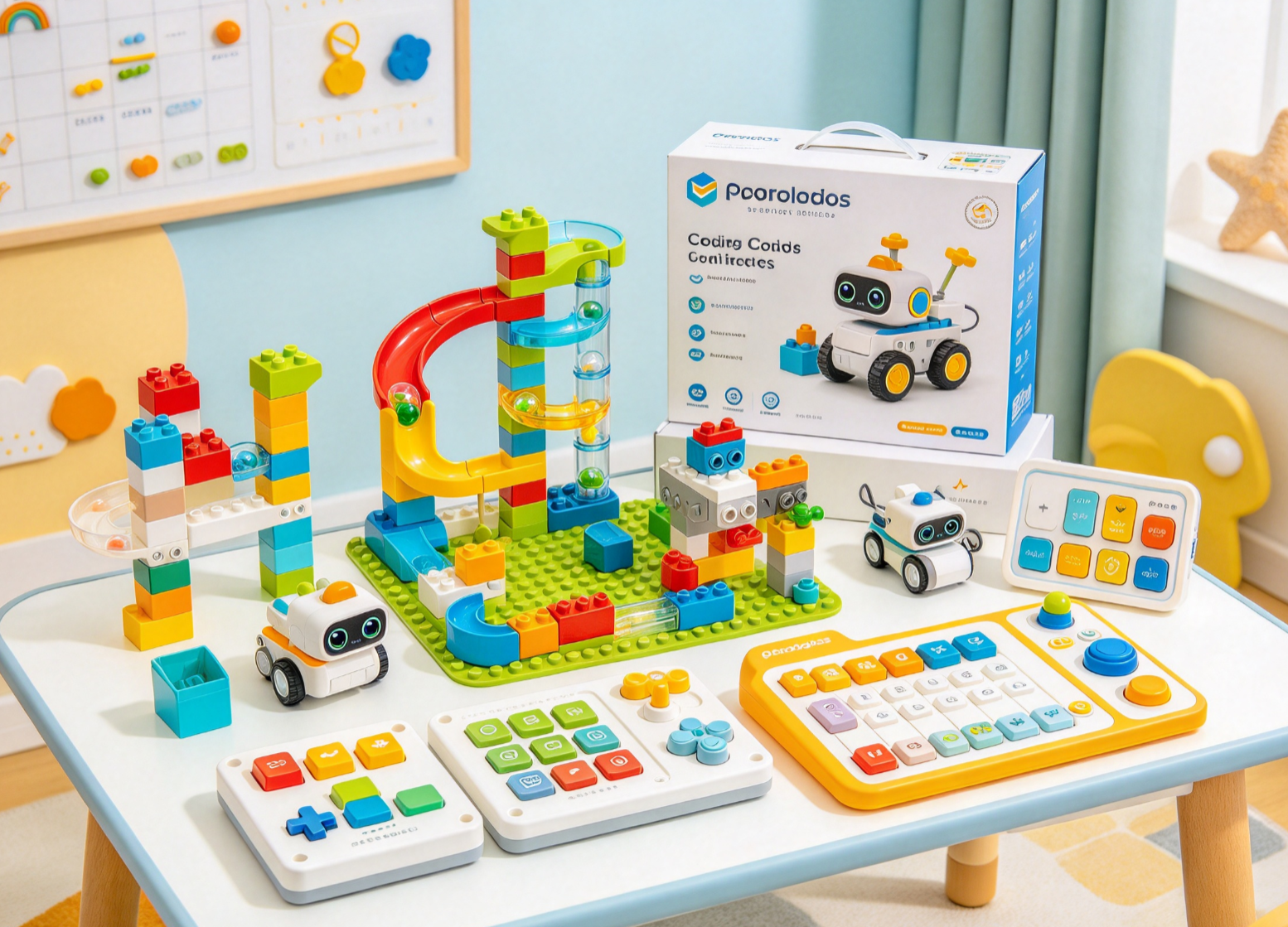
How to Pick the Best Programmable Building Toys for Kids (And Actually Use Them)
Learn how to choose, set up, and get the most from the best programmable building toys for kids — plus why BrickHobby is a great LEGO-compatible pick.
Kids & Toddlers Bricks
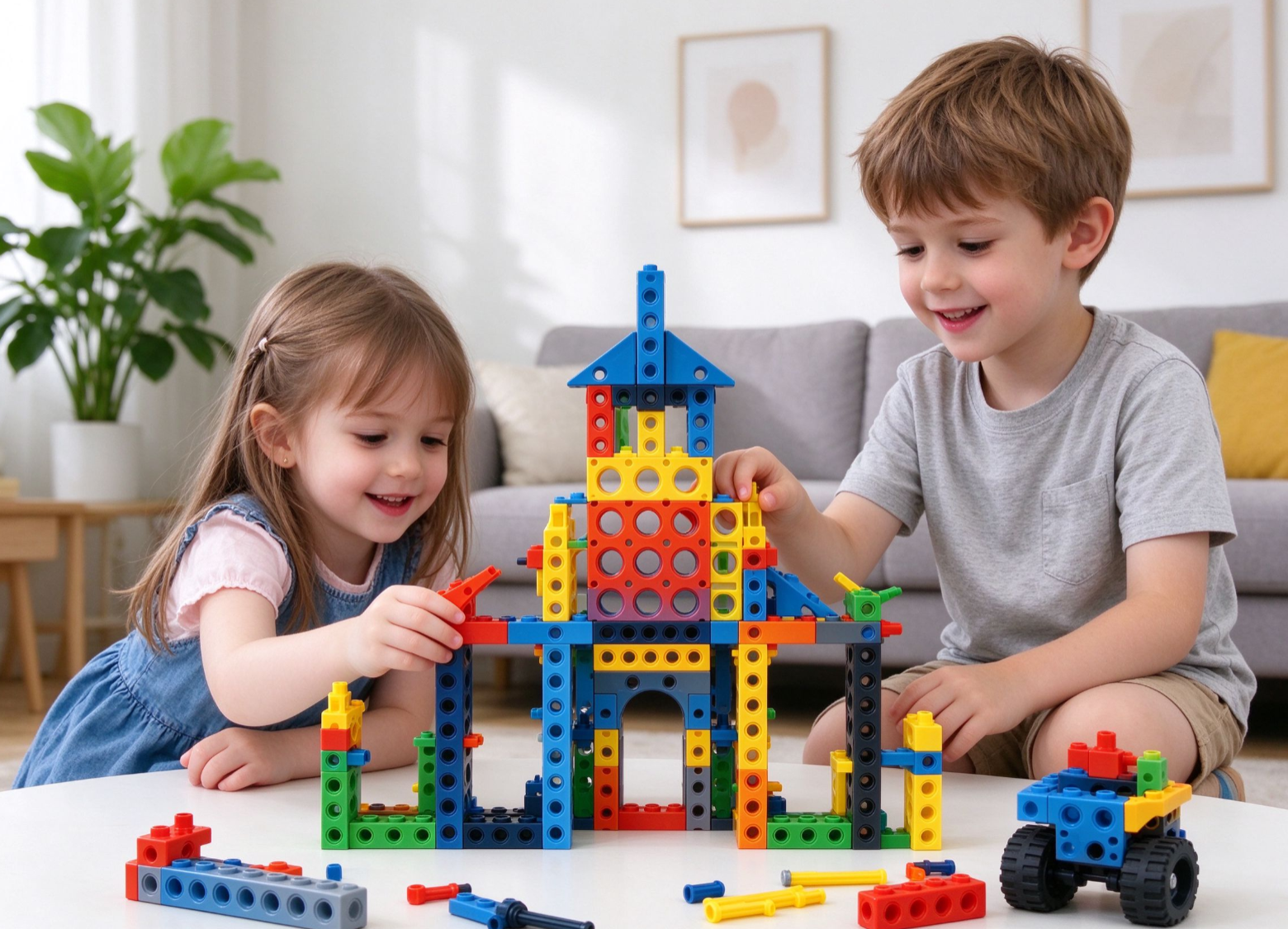
How to Choose the Best STEM Building Toys for Kids in 2026
Find the best STEM building toys for kids in 2026 with this age-by-age guide covering safety, materials, and smart LEGO alternatives.