How to Choose the Best Building Block Toys for Kids
How to Choose the Best Building Block Toys for Kids
Quick answer: The best building block toys for kids combine age-appropriate piece sizes, strong material quality, and open-ended designs that grow with your child. Look for sets that balance guided instructions with free-play potential, check safety certifications, and pick a brand that stands behind its bricks. BrickHobby offers LEGO-compatible sets built with this balance in mind.
Choosing toys for your kids can feel overwhelming. Walk into any toy aisle and you'll see dozens of building block sets, each promising to be the smartest, safest, most educational option on the shelf. We understand the confusion. As parents and brick lovers ourselves, we've spent a lot of time thinking about what actually makes a building block set worth your money.
This guide walks you through everything you need to know to find the best building block toys for kids, from understanding why building blocks matter for your child's development to picking the right set for their age and interests. We'll also share a simple way to get your child started, plus a few tips to keep playtime fun long after the first build is finished.
By the end, you'll have a clear plan for choosing blocks that your child will actually want to play with. Let's get into it.
Why Do Building Block Toys Matter for Child Development?
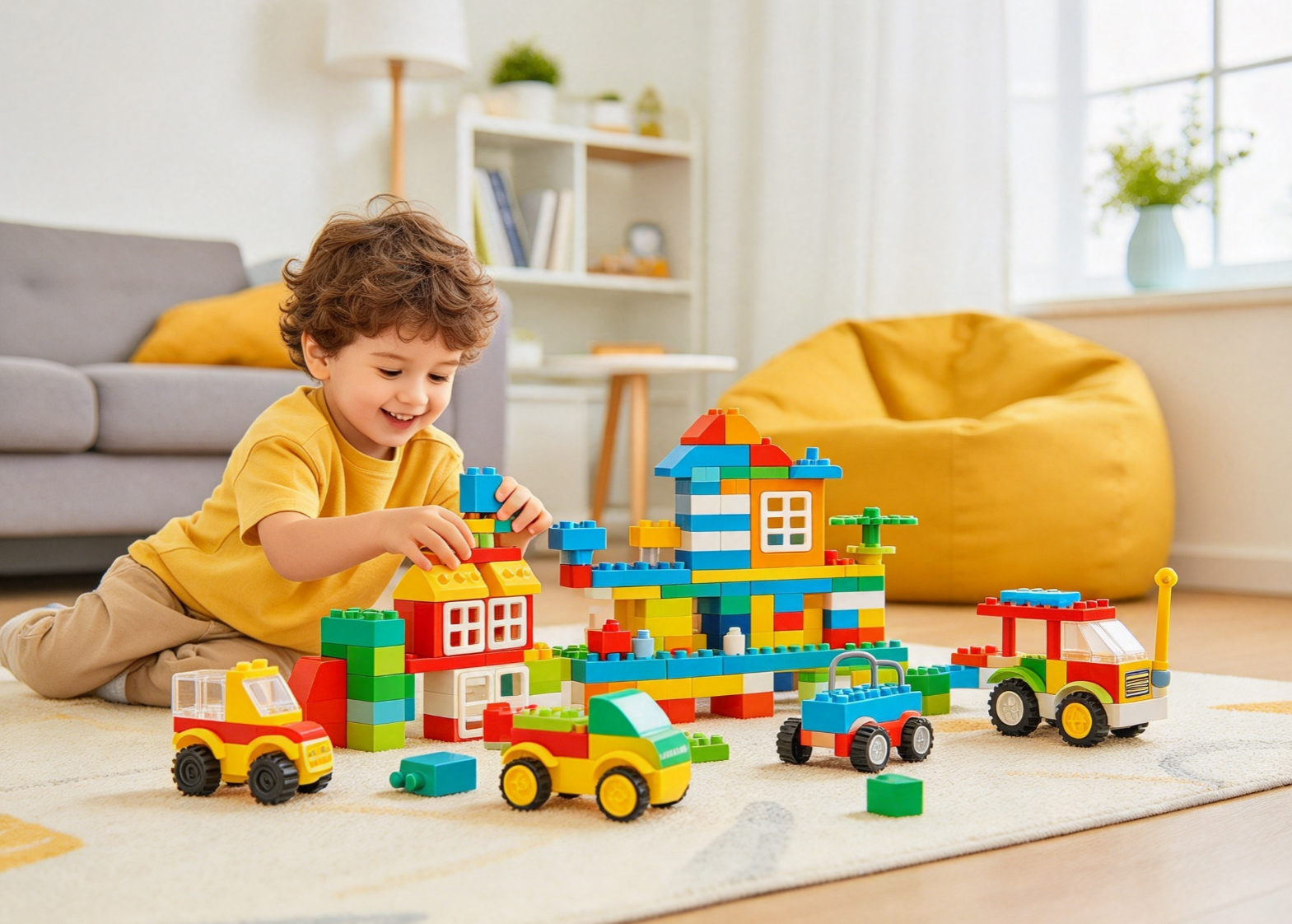
Building blocks aren't just a way to pass the time. They do real work for your child's brain and body.
Fine motor skills get a workout every time your child picks up, aligns, and presses together small pieces. This matters more than it sounds. The muscles in little hands need practice, and brick building gives them exactly that.
Spatial reasoning improves as kids figure out how pieces fit together in three dimensions. This skill carries over into math, science, and even reading comprehension later on.
Problem-solving happens naturally during a build. A tower falls over. A roof doesn't sit right. Your child has to pause, think, and try again. That kind of resilience is hard to teach directly, but building blocks teach it through play.
Creativity gets room to grow, especially with open-ended sets that don't lock a child into one single outcome. A pile of bricks can become a castle one day and a spaceship the next.
Social skills come into play too, when siblings or friends build together. Sharing pieces, taking turns, and talking through ideas are all part of the experience.
Parents often ask whether screen-based STEM toys do the same job. They don't, not quite. Building blocks require hands-on manipulation, so the learning sticks in a way that swiping a screen doesn't. Research on tactile play consistently points to the same conclusion. Kids remember what their hands have built.
How to Choose the Best Building Block Toys for Your Child
Not every brick set is created equal, and not every set is right for every child. Here's what we recommend you look at before buying.
Consider Your Child's Age and Skill Level
Age recommendations on the box are a useful starting point, but they're not the full picture. A 4-year-old who's been building with blocks since age 2 might be ready for bigger, more detailed sets. A 7-year-old who's new to building might do better starting smaller.
As a general guide:
- Ages 2–4: Large, chunky bricks that are easy to grip and too big to swallow.
- Ages 5–7: Medium-sized pieces with simple instructions, often themed around vehicles, animals, or buildings.
- Ages 8–12: Smaller, more detailed pieces, with sets that include hundreds or even thousands of parts.
- Ages 13 and up: Advanced architectural sets, display models, and collector-grade builds.
Check Material Safety and Quality
This one matters more than almost anything else. Bricks go in mouths, get stepped on, and sit in toy bins for years. Look for ABS plastic, which holds its shape and color better than cheaper alternatives. Check for safety certifications specific to your region, since the EU and US have different testing standards.
Quality also shows up in the clutch power, meaning how well bricks snap together and stay together. Cheap bricks tend to feel loose or wobbly. A good set should click firmly into place and hold up through repeated building and rebuilding.
Look for Compatibility with Existing Sets
If your child already has a bin of bricks at home, compatibility matters. Many LEGO-alternative brands design their bricks to work with existing collections, so your child isn't starting from zero every time a new set arrives. This also means birthday and holiday gifts can build on what's already there instead of creating a separate, disconnected pile.
Balance Structure with Open-Ended Play
Some kids love following instructions step by step. Others want to dump the pieces out and build whatever comes to mind. The best building block toys for kids usually offer both: a guided build to start, and enough flexibility afterward for free play. Sets based on real landmarks or vehicles are great for this, since kids can follow the instructions once, then take the model apart and reimagine it.
Factor in Your Family's Budget
Brick sets range widely in price, and the most expensive option isn't always the best fit. Think about how your child plays. A collector who wants a display piece might be better served by a premium landmark set. A toddler who wants to build and knock down towers all day doesn't need thousands of tiny pieces. Match the set to how your family actually plays, not just the box art.
If you want to browse a curated range by age and theme, our kids and toddler starter sets are a good place to start comparing options side by side.
Step-by-Step Guide: How to Get Kids Started with Building Block Toys
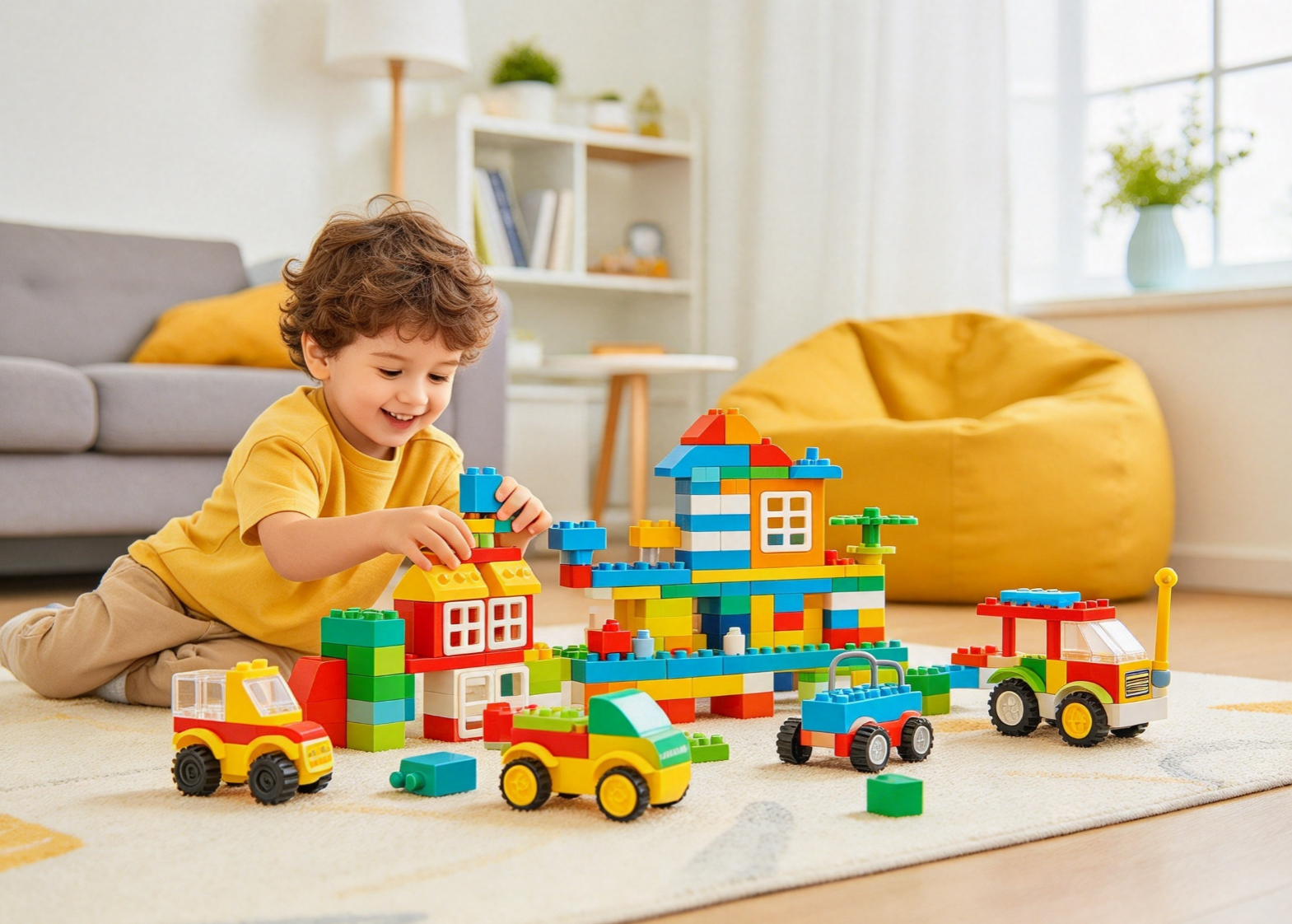
Once you've picked a set, the next step is setting your child up for a good first experience. Here's how we recommend starting.
Step 1: Start with a Smaller, Simpler Set
Even if your child is excited about a big, complex model, it helps to start smaller. A quick win on a simple set builds confidence before tackling anything bigger.
Step 2: Create a Dedicated Building Space
Find a flat surface with good lighting and enough room to spread out pieces. A dedicated space, even a small one, signals that building time is intentional, not just background noise while the TV plays.
Step 3: Sort Pieces Before Starting
For younger kids especially, sorting bricks by color or size before building reduces frustration. It also turns into its own mini activity, one that builds categorization skills before the actual construction even starts.
Step 4: Walk Through the Instructions Together
For a first build, sit with your child and go through the instructions step by step. Point out how the picture matches the pieces in front of them. This models the process so they can follow instructions independently next time.
Step 5: Let Them Finish Independently
Once your child understands the pattern, step back. Let them finish the build on their own, even if it takes longer or they make a mistake along the way. The goal isn't a perfect model. It's a confident builder.
Step 6: Celebrate the Finished Build
Take a photo, set it on a shelf, or let your child show it off to the family. This small moment of recognition makes kids want to start the next set.
Tips for Making Playtime More Engaging
A set that gets built once and then sits in a bin isn't doing its job. Here's how to keep building blocks part of regular playtime.
Set a building challenge. Ask your child to build something specific using only the pieces they have on hand, like a bridge that can hold a toy car or a tower taller than their favorite stuffed animal.
Mix sets together. Combining pieces from different sets opens up new possibilities and stretches a collection further without buying anything new.
Rotate themes with the seasons. A castle build in the fall, a spaceship in the winter, a city skyline in the spring. Rotating themes keeps a brick collection feeling fresh.
Join a building community. Many families connect with other builders online to share finished models and get new ideas. Watching how other kids build the same set differently can spark creativity in your own child.
Make it a family activity. Building together, even for twenty minutes on a weekend, turns blocks into a shared hobby instead of a solo activity. Parents of collectors and hobbyists often say this is where the real bonding happens.
Display finished builds. A shelf of completed models gives kids a reason to keep building. It also turns a bedroom into a small gallery of their own work, which matters more to kids than we sometimes realize.
Why BrickHobby Is a Smart LEGO Alternative
We started BrickHobby because we wanted brick sets that felt as good to build as they look on a shelf. Every landmark model we design starts with a photogrammetry scan of the real building, so the roofs, tiles, and stonework come out stud-accurate instead of simplified.
Our sets are built from ABS plastic with tight clutch power, so pieces click together firmly and stay that way through years of play and rebuilding. Many of our sets are fully compatible with existing brick collections, so your child's pieces can mix and grow together instead of staying separate.
We also offer a range built specifically for younger builders. Our kids and toddler starter sets use chunky, safety-tested bricks sized for small hands, which makes them a solid entry point if your child is just starting out.
For families further along, our world landmark collection includes models like the Eiffel Tower, the Colosseum, and the Taj Mahal, giving older kids and collectors something to work toward.
If a piece ever goes missing mid-build, we replace it, free, no questions asked. That's part of what we mean when we say we stand behind our bricks. We know our sets still have room to improve, and we're always working to make the next one better than the last.
You can read more about how we design our models on our story page, including how our studio in Lisbon turns real landmarks into buildable sets.
Finding the Right Fit for Your Family
Choosing the best building block toys for kids doesn't have to be complicated. Start with your child's age and skill level, check the material quality, and pick a set that leaves room for both guided building and free play. From there, it's about creating small, repeatable moments of building time, whether that's a weekend challenge or a shelf of finished models your child is proud to show off.
Building blocks have a way of growing with a child, from first chunky bricks to detailed architectural builds years later. Wherever your child is on that path, we hope you find a set that fits where they are right now. If you'd like to browse sets by age, theme, or difficulty level, our full collection is a good place to start.
Frequently Asked Questions
What age should kids start with building block toys?\
Most kids can start with large, chunky building blocks around age 2, once they've outgrown the risk of putting small pieces in their mouths. Smaller, more detailed pieces are generally better suited to kids age 5 and up, depending on their fine motor development.
Are LEGO-alternative building blocks as good as LEGO?\
Quality varies by brand, but well-made alternatives use the same ABS plastic and offer comparable clutch power. BrickHobby sets, for example, are designed to be fully compatible with existing brick collections and use collector-grade materials, so they hold up to the same kind of repeated building and rebuilding.
How many pieces should a child's first building block set have?\
For a first set, fewer pieces are better. Somewhere between 50 and 150 pieces gives a young builder a satisfying, completable project without becoming overwhelming. You can increase piece count as your child's confidence grows.
What should I do if my child loses a piece from their set?\
Check first whether the brand offers a replacement program. We replace any missing brick from a BrickHobby set for free, which takes the pressure off keeping track of every single piece.
Are building block toys better than digital STEM toys?\
Both have value, but building blocks offer hands-on, tactile learning that digital toys can't fully replicate. Physical manipulation of pieces supports fine motor development and spatial reasoning in a way that screen-based play doesn't, which is why many parents use building blocks as a core part of their child's STEM activities.
Ready to build this yourself?
BrickHobby sells high-quality LEGO-alternative building block sets — the same brick standard, a fraction of the price. Browse our in-stock sets and simply contact our customer service team to place your order; we will confirm availability, pricing and worldwide shipping for you.
Keep reading
Kids & Toddlers Bricks
Best Building Toys for Kids in 2026: A Parent's Guide to Choosing Well
Find the best building toys for kids 2026, from age-by-age picks to safety tips and smart LEGO alternatives like BrickHobby.

Kids & Toddlers Bricks
How to Choose the Best Magnetic Building Toys for Kids
Learn how to choose the best magnetic building toys for kids, from safety tips to picking the right set for your child's age and skill level.
Kids & Toddlers Bricks
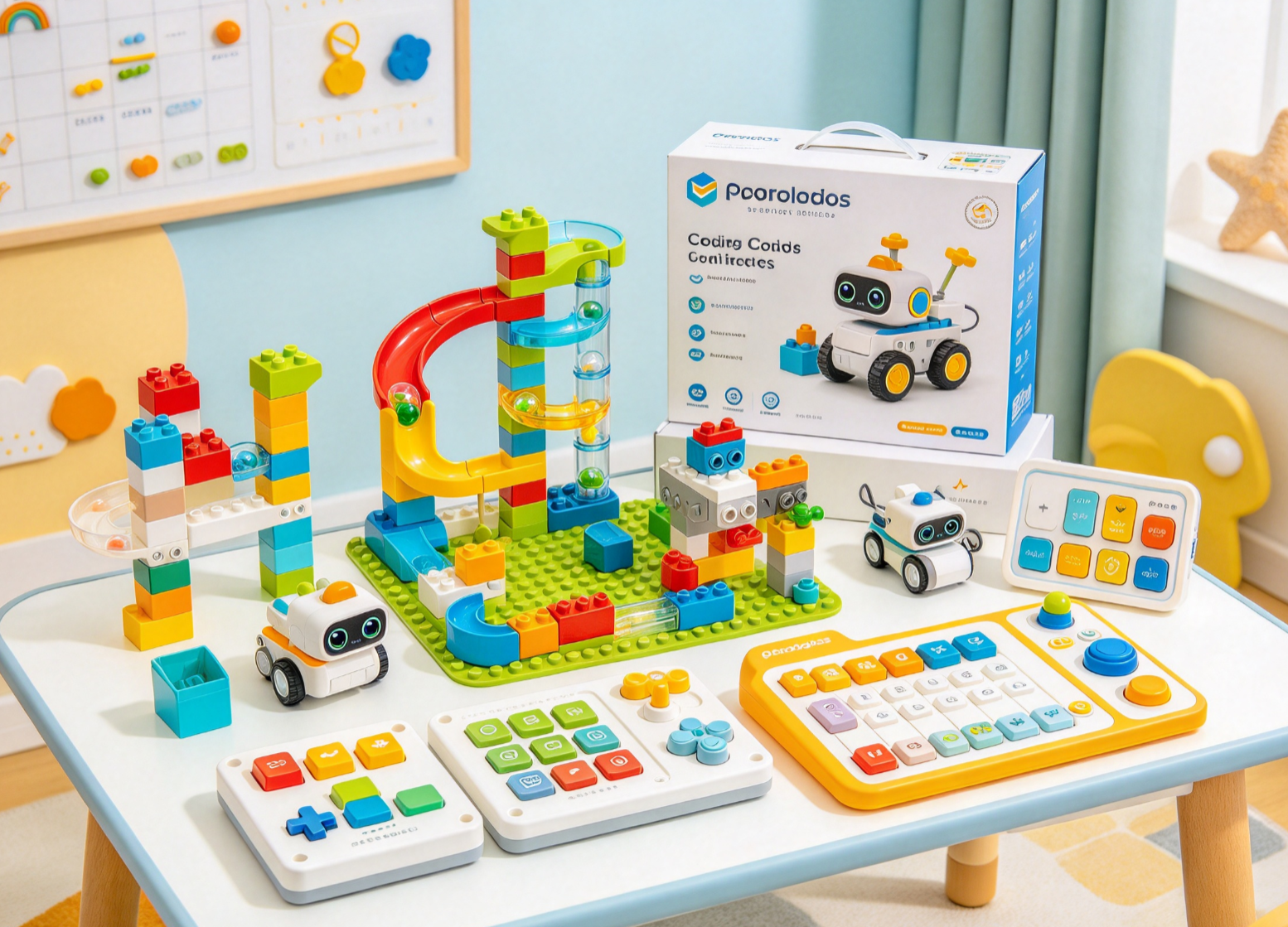
How to Pick the Best Programmable Building Toys for Kids (And Actually Use Them)
Learn how to choose, set up, and get the most from the best programmable building toys for kids — plus why BrickHobby is a great LEGO-compatible pick.