
How to Choose the Best LEGO Alternatives for Robotics and Advanced Builds
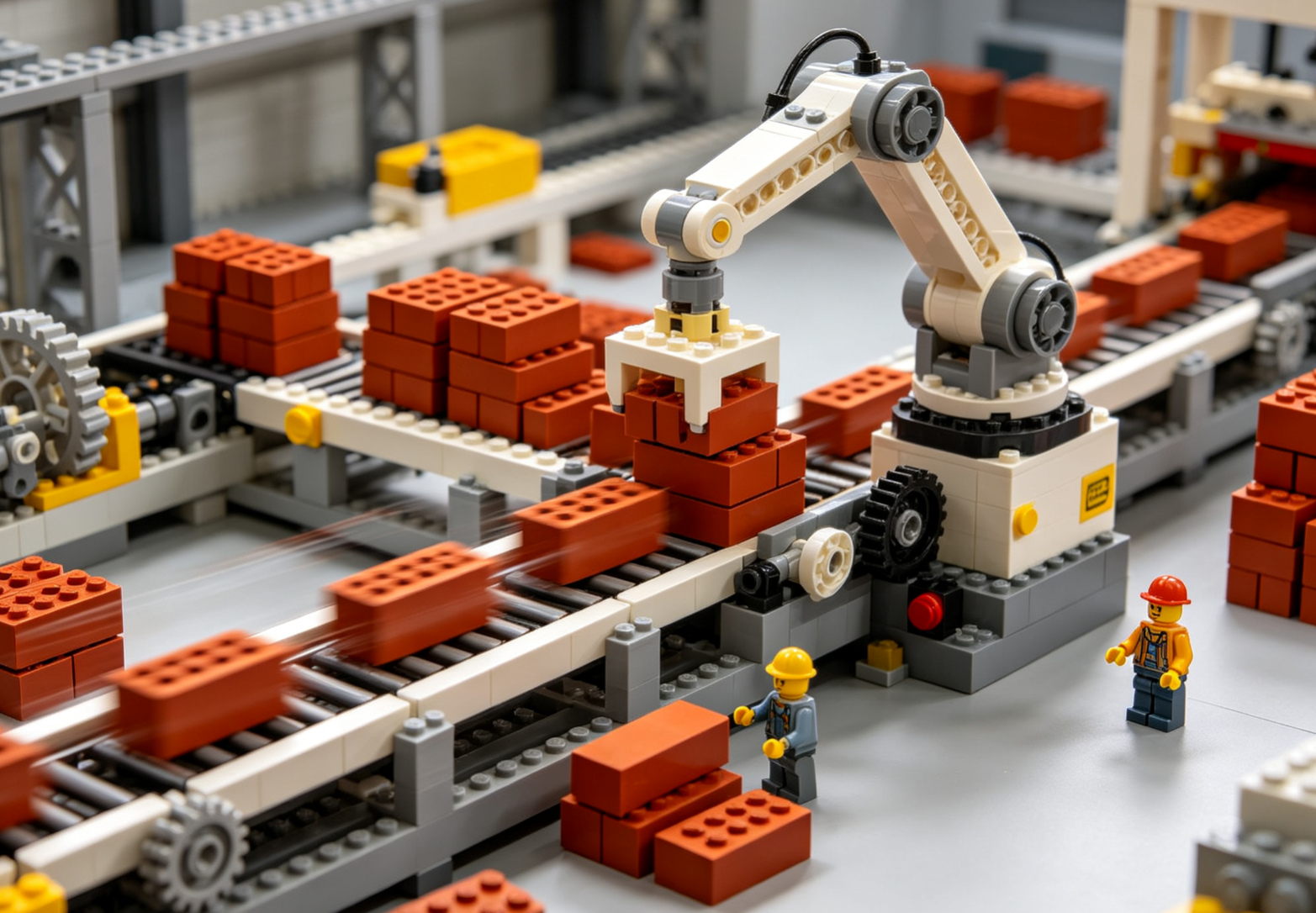
How to Choose the Best LEGO Alternatives for Robotics and Advanced Builds
Quick answer: The best LEGO alternatives for robotics projects use ABS plastic with tight clutch power, Technic-style pin-and-axle systems compatible with motors and sensors, and open documentation for programmable components. Builders should prioritize brands with strong community support, verified compatibility with tools like Arduino or Raspberry Pi, and consistent piece tolerances. Following fast brick robotics news helps builders spot new releases before they sell out.
Building a robotic arm out of plastic bricks sounds like a weekend hobby. It's actually closer to engineering. Every gear ratio, every motor mount, every sensor bracket has to fit with near-perfect tolerance, or the whole build wobbles, jams, or simply refuses to move. That precision is exactly why so many hobbyists, engineers, and STEM educators have started exploring alternatives to official LEGO Technic sets — and why choosing the right one matters more than people expect.
This guide breaks down what actually makes a brick system suitable for robotics, how to evaluate compatibility before you buy, and how to stay ahead of new releases by tracking fast brick robotics news across the community. Whether you're building your first motorized creation or designing a multi-axis robot for a classroom project, the goal is the same: pick a system that rewards your effort instead of fighting against it.
What makes a brick system suitable for robotics builds?
Not every building block system is engineered for movement. Robotics builds put stress on connections that static display models never experience — repeated motion, torque from motors, and the weight of add-on components like sensors and controllers. A system built for robotics needs to hold up under all of that, repeatedly, without cracking or loosening.
Clutch power and plastic quality
Clutch power refers to how tightly two bricks grip when connected. In a display model, weak clutch power is a minor annoyance. In a robotics build, it's a dealbreaker — a loose axle connection means your gear train slips instead of turning.
High-quality ABS plastic, injection-molded to tight tolerances, is the standard for durable clutch power. Cheaper alternatives made from inconsistent plastic blends may look identical on the shelf but wear out fast after repeated assembly and disassembly, which robotics builders do constantly during prototyping. BrickHobby's collector-grade bricks are built from premium ABS specifically because repeated builds — not just one-time display — put real stress on the plastic.
Technic-style pin and axle compatibility
Robotics builds depend on a pin-and-axle system that allows rotation, torque transfer, and modular reconfiguration. This is the backbone of any motorized creation — wheels, gears, robotic joints, and conveyor systems all rely on it.
When evaluating an alternative brand, check whether its pin and axle dimensions match the widely adopted Technic standard. If they don't, you'll be locked into a single ecosystem with far fewer motors, gears, and sensor mounts available to you.
Motor and sensor compatibility
This is where things get technical fast. A robotics-ready brick system should support:
- Standardized motor ports that connect cleanly to axles and gear trains
- Sensor mounting points for light, distance, or touch sensors
- Compatibility with microcontrollers like Arduino or Raspberry Pi, either natively or through third-party adapters
Builders working on more ambitious projects — line-following robots, automated sorting machines, even simple animatronics — need this compatibility confirmed before buying, not discovered after the pieces arrive.
How do you evaluate a new brick brand before buying for a robotics project?
With new brands entering the market constantly, evaluating a system before committing real money takes a bit of detective work. Here's the process serious builders use.
Step 1: Check community reviews for stress tests, not just aesthetics
Display-focused reviews talk about color accuracy and box art. Robotics-focused reviews talk about whether gears strip after ten uses, whether axles bend under motor torque, and whether pieces hold their shape after repeated connection and disconnection. Search builder forums and video platforms for exactly these stress-test reviews before buying a new brand.
Step 2: Confirm cross-compatibility claims independently
Some brands advertise "full Technic compatibility" loosely. In practice, minor dimensional differences can cause connections that look fine but slip under load. Look for builders who've specifically tested motorized functions — not just static assembly — with the brand you're considering.
Step 3: Verify piece consistency across batches
Injection molding tolerances can drift between production batches, especially with less established manufacturers. A batch with even 0.1mm of variance can be the difference between a snug axle fit and one that spins freely. Established brands with dedicated quality control, like those offering a lifetime brick promise, tend to catch these inconsistencies before sets ship.
Step 4: Assess long-term parts availability
Robotics projects often expand over time — you build a base model, then add sensors, then add a second motor for a new function. If a brand discontinues its Technic-compatible line or stops producing specific gear ratios, your project stalls. Choose brands with a track record of expanding, not shrinking, their advanced building catalogs.
Why should robotics builders follow fast brick robotics news?
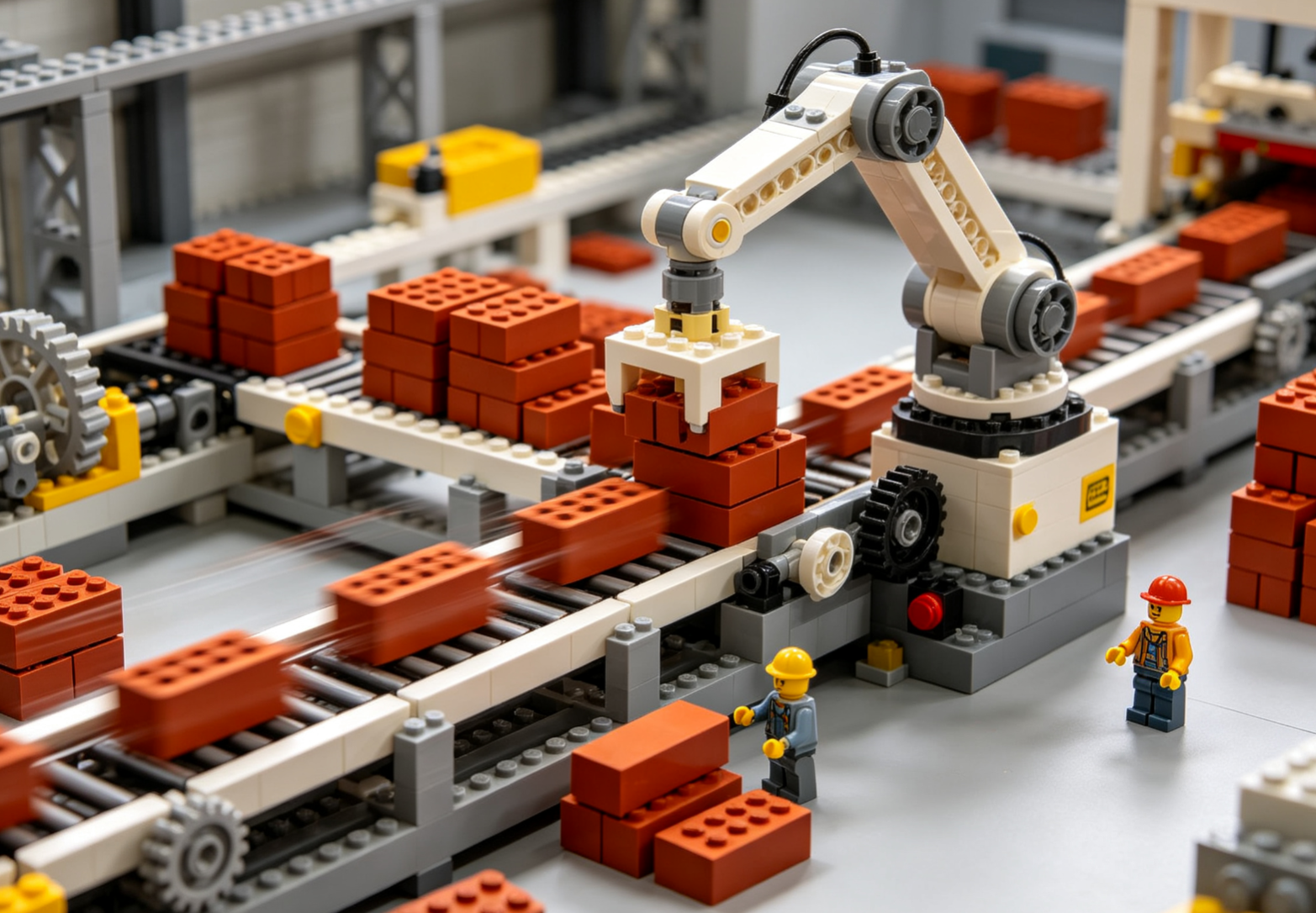
New motor types, sensor kits, and gear systems enter the market regularly, and the builders who track fast brick robotics news consistently get first access to compatible components before they sell out or get discontinued. This matters more in robotics than in almost any other brick-building category, because a single missing gear ratio or motor variant can block an entire project.
Staying on top of fast brick robotics news also means catching compatibility updates. When a brand releases a new axle diameter or connector style, early builders find out through community reporting long before it's reflected in official documentation. Following fast brick robotics news through dedicated forums, brand newsletters, and builder communities gives you a head start on planning your next build instead of discovering a compatibility gap mid-project.
Where to find reliable updates
- Brand newsletters from established alternative-brick companies, which often announce new Technic-compatible releases before public listing
- Builder forums where robotics-specific threads track real-world testing results
- Community showcases where creators share completed robotic builds along with the exact parts used
What should you look for when buying components for an advanced build?
Once you've settled on a compatible brand, the next challenge is choosing the right components for your specific project. This is where a lot of ambitious builds stall out — not because the plan is wrong, but because the parts don't match the plan's demands.
Match gear ratios to your motor's torque output
A motor with high torque but low speed needs different gear ratios than one built for speed over strength. Robotic arms lifting weight need torque-favoring ratios. Fast-moving vehicles need speed-favoring ones. Mismatching these leads to stalled motors or gears that strip under load.
Choose structural pieces designed for repeated stress
Static display sets often use thinner connector pieces because they're never subjected to movement. For robotics, choose structural elements — beams, brackets, and joints — explicitly rated or tested for repeated motion. This is often where the difference between a hobby-grade and a robotics-grade brick system becomes obvious.
Prioritize modularity over one-off pieces
A highly specific piece might solve today's problem but limit tomorrow's redesign. Choose modular connectors and universal joints wherever possible, so your build can evolve without requiring an entirely new parts order every time you tweak the design.
How can families and educators use brick robotics for STEM learning?
Robotics builds aren't just for engineers designing complex prototypes. They're also one of the most effective hands-on tools for teaching STEM concepts — gear ratios, torque, circuitry, and iterative design — to kids and teens.
Start with guided motorized kits before free-form design
Beginners benefit from following a structured motorized build first, understanding how motor, gear, and axle work together, before moving to open-ended robotics design. This mirrors how engineering education generally works: master the fundamentals, then innovate.
Turn troubleshooting into the lesson
When a gear strips or a motor stalls, that's not a failure — it's the most valuable teaching moment in the entire build. Walking through why a connection failed teaches more about mechanical engineering than a perfect build ever could.
Build together as a family project
Robotics builds naturally split into roles: one person handles structural assembly, another wires the electronics, another documents the build process. This makes it an ideal shared project for parents and kids working side by side, turning screen time into hands-on creation time instead.
Building smarter starts with the right foundation
Choosing a brick system for robotics isn't about finding the cheapest option or the biggest piece count. It's about finding a system engineered to survive motion, torque, and repeated assembly — and a community actively documenting what works. Every gear you choose, every motor mount you design, and every sensor bracket you build depends on getting that foundation right from the start.
Start by confirming clutch power and Technic-style compatibility before buying anything. Cross-check community stress tests instead of relying on marketing claims. And make tracking fast brick robotics news part of your regular routine, so new motors, sensors, and compatible parts reach your workbench before your project stalls waiting for them.
Robotics builds reward patience and precision. Get the foundation right, and every future build — from a simple motorized car to a fully programmable robotic arm — gets easier, faster, and a lot more satisfying to finish.
Frequently asked questions
What's the difference between LEGO Technic and a Technic-compatible alternative?\
LEGO Technic is the official gear, axle, and motor system produced by the LEGO Group. A Technic-compatible alternative is a third-party brick system designed to match the same pin, axle, and gear dimensions, allowing builders to mix components between brands. Compatibility quality varies significantly between manufacturers, so verifying dimensional accuracy before buying is essential for robotics builds.
Are LEGO alternatives strong enough for motorized robotics projects?\
Many are, but quality varies widely by brand and even by product batch. Look specifically for brands using premium ABS plastic with verified tight clutch power, since robotics builds place far more stress on connections than static display models. Reading stress-test reviews from other robotics builders is the most reliable way to confirm durability before purchasing.
Do I need programming experience to build brick robotics projects?\
No. Many motorized builds use pre-programmed motor units that require no coding at all — you simply assemble the mechanical structure and power it on. Programming becomes relevant only if you're integrating microcontrollers like Arduino or Raspberry Pi for custom sensor logic, which is typically a more advanced, optional step.
How do I know if a brick brand will keep supporting robotics-compatible parts long-term?\
Check the brand's release history and community reputation. Brands that consistently expand their advanced building and Technic-style catalogs, rather than releasing a single robotics line and abandoning it, are safer long-term investments. Following fast brick robotics news is one of the easiest ways to track which brands are actively expanding their compatible component ranges.
What's the biggest mistake beginners make when starting a brick robotics project?\
Buying pieces before confirming compatibility. It's common for beginners to purchase a motor from one brand and structural pieces from another, only to discover the axle dimensions don't match. Always verify pin, axle, and gear compatibility across every component before finalizing a parts order — checking a brand's full product catalog ahead of time can save an entire project from stalling out.
Ready to build this yourself?
BrickHobby sells high-quality LEGO-alternative building block sets — the same brick standard, a fraction of the price. Browse our in-stock sets and simply contact our customer service team to place your order; we will confirm availability, pricing and worldwide shipping for you.
Keep reading

Brick News
The Brick LEGO News 2026: Your Complete Guide to Smarter Alternative Builds
Stay ahead of the brick LEGO news 2026 with this guide to trending sets, alternative bricks, and smarter building strategies from BrickHobby.

Brick News
How to Track Brick Supply News LEGO Builders Actually Trust
Learn how to find and evaluate brick supply news for LEGO alternative sets, from reliable sources to step-by-step supplier sourcing tips.
Brick News
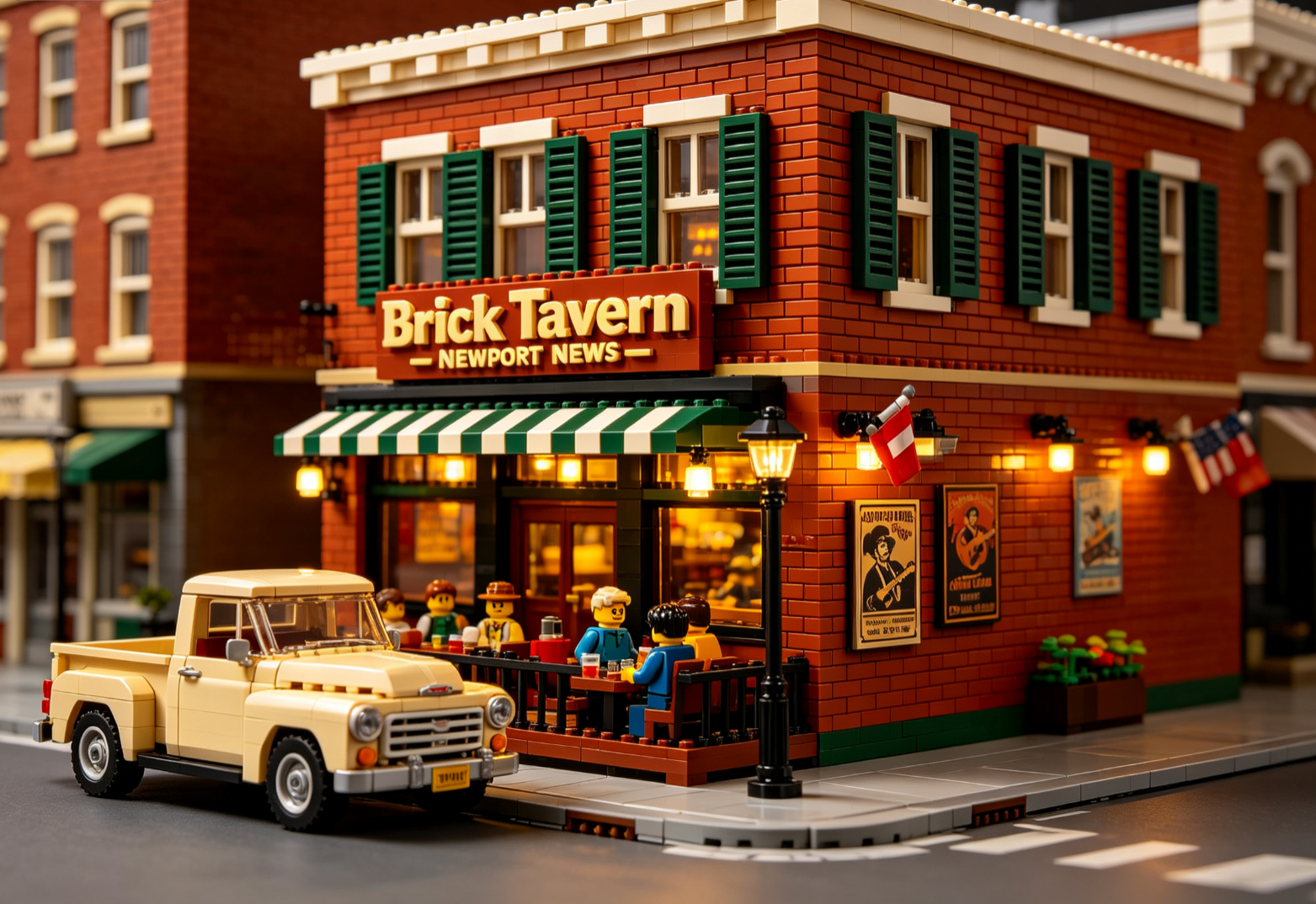
How to Build a Brick Tavern Newport News LEGO Style Masterpiece
Learn how to build a brick tavern newport news lego style model with this step-by-step guide, plus tips on pieces, tools, and customization ideas.