
Best Tech Building Toys for Kids 2026: A Parent's Buying Guide
Best Tech Building Toys for Kids 2026: A Parent's Buying Guide
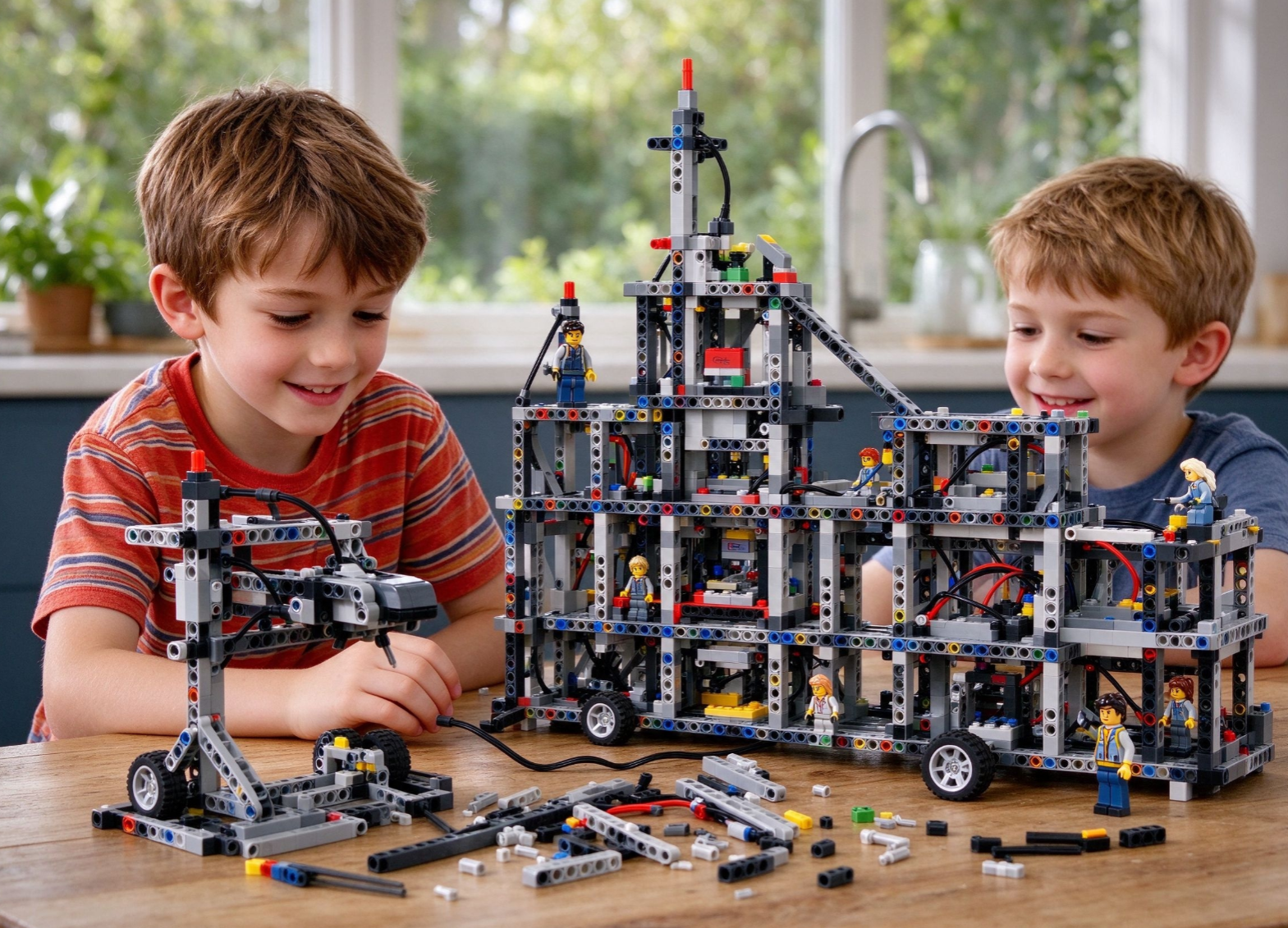
Quick answer: The best tech building toys for kids 2026 combine age-appropriate complexity, real STEM skill-building, and brick compatibility that lets a collection grow over time. Look for tight clutch power, clear instructions, and a brand that replaces lost pieces. BrickHobby's building sets are engineered for exactly this: durable ABS bricks, stud-perfect detail, and compatibility with existing collections.
Tech toys used to mean a tablet or a video game console. Not anymore. Building sets with motors, lights, and programmable elements now sit at the center of children's play — and parents are paying attention. The shift makes sense. Screen time concerns are rising. STEM education demand is rising faster. Building toys answer both.
This guide breaks down what actually matters when shopping for the best tech building toys for kids 2026, how to match a set to your child's age and skill level, and where BrickHobby fits next to LEGO and other brands. No fluff. Just the information you need to make a confident purchase.
Why Tech Building Toys Matter for Kids in 2026
Hands-on building develops fine motor skills, spatial reasoning, and problem-solving. These are not soft benefits — they are measurable cognitive gains that educators have tracked for decades in construction-based play.
Tech-enhanced sets add another layer. Motorized gears, light-up bricks, and app-connected elements introduce children to basic engineering and coding concepts before they ever sit through a formal class. A child who builds a working crane learns torque and leverage by doing, not by reading a textbook.
Parents also use building toys as a counterweight to passive screen time. A finished model is a visible result of focused effort. That result builds confidence and encourages a second build, then a third.
For families, these sets double as shared activity. A parent and child working through an instruction manual together creates structured time that's hard to replicate with other toy categories.
For collectors and hobbyists — a growing adult segment — complex builds offer something closer to a craft. Large architectural sets and detailed vehicle models function as stress relief, not just entertainment. The appeal spans age groups, which is part of why this toy category keeps expanding.
How to Evaluate the Best Tech Building Toys for Kids
Not every set labeled "STEM" or "tech" delivers real value. Four factors separate a worthwhile purchase from a box that gets abandoned after one build.
Age Appropriateness
Piece size and count should match developmental stage. Toddlers need large, chunky bricks with no small parts. Children aged 6 to 10 can handle moderate piece counts with guided instructions. Kids 10 and up can manage advanced builds with hundreds or thousands of pieces, including motorized and electronic components.
Buying a set too advanced for a child's age leads to frustration. Buying one too simple leads to boredom. Check the manufacturer's age range, then consider your child's actual building experience, not just their age in years.
STEM Learning Value
Look for sets that teach a concept, not just a shape. Gears that mesh and turn. Pulleys that lift weight. Circuits that light up on completion. These elements turn a toy into a lesson.
Programmable building toys — kits with app-controlled motors or basic coding interfaces — push this further, introducing sequencing and logic. For families prioritizing STEM education, this is the single most important filter when comparing sets.
Build Complexity and Replayability
A one-time build has limited value. The best tech building toys for kids 2026 offer multiple build options from a single set, modular pieces that combine with future purchases, or official app-based challenges that extend play after assembly.
Creator-style sets that reconfigure into two or three different models stretch value significantly. A single purchase becomes three experiences instead of one.
Compatibility With Other Sets
Brick compatibility determines whether a toy collection grows or stays isolated. A set that works with pieces your child already owns extends every previous purchase. A proprietary system that only works with itself limits long-term value and increases total spend over time.
This matters most for families already invested in a brick ecosystem. Check compatibility specs before buying from a new brand.
Top Features to Look For
- Motorized elements: Gears, motors, and rotating mechanisms that bring builds to life
- Light-up bricks: LED components that add visual feedback and nighttime display appeal
- App connectivity: Optional programmable controls for kids ready for basic coding concepts
- Tight clutch power: Bricks that snap firmly and hold their shape through repeated handling
- Detailed instruction manuals: Clear, step-by-step diagrams that support independent building
- Numbered builder bags: Organized parts that reduce frustration during assembly
- Fade-resistant materials: Premium ABS plastic that holds color and shape over years of play
- Piece replacement policies: A guarantee that covers lost or missing pieces after purchase
A set that checks most of these boxes qualifies as one of the best tech building toys for kids 2026, regardless of brand.
How BrickHobby Compares to LEGO and Other Brands
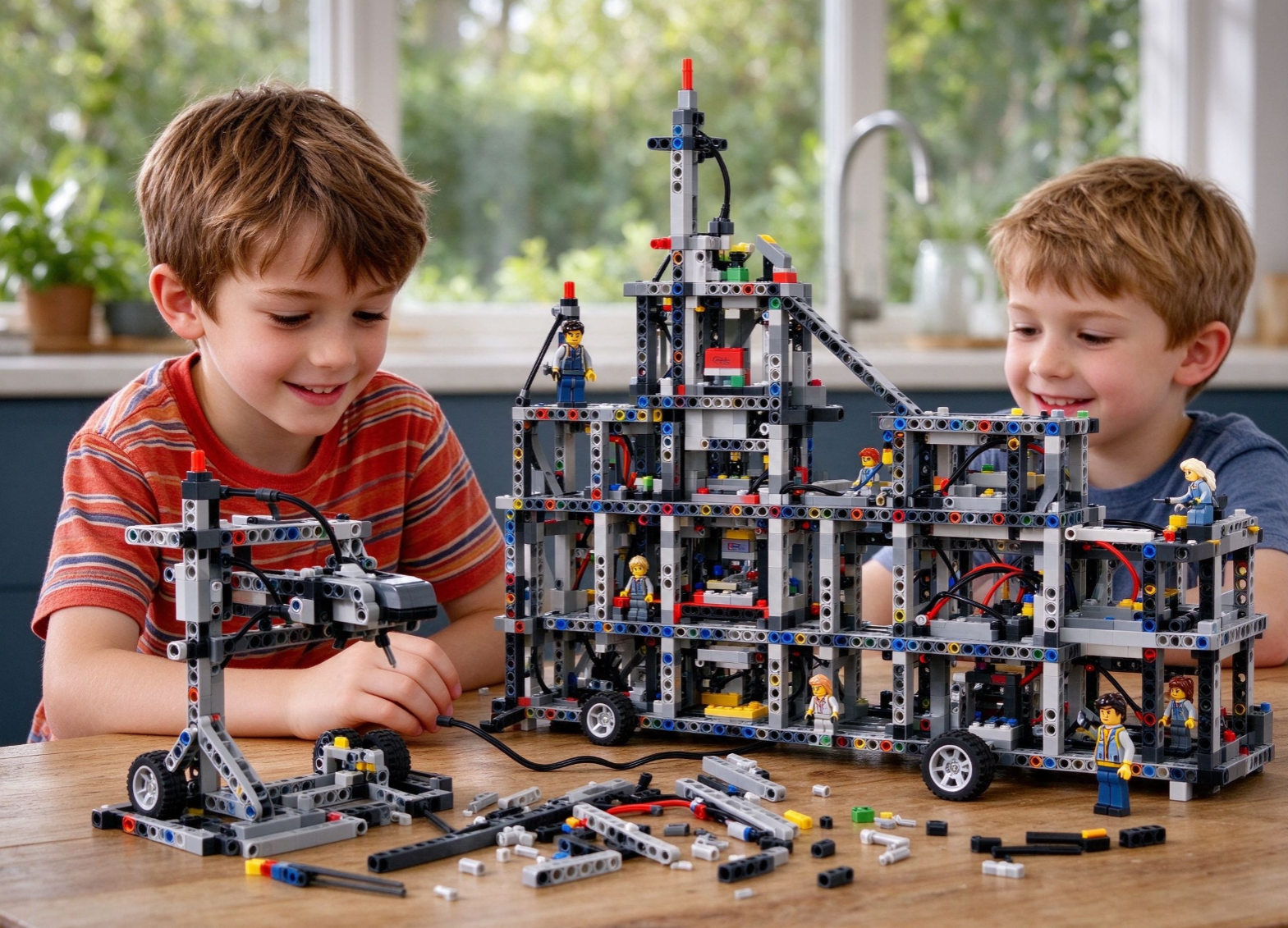
LEGO remains the category benchmark. Its brand recognition and official licensing give it reach no competitor matches. But price points and exclusivity often put flagship LEGO sets out of reach for everyday purchases, especially for families buying multiple sets per year.
BrickHobby positions itself as a LEGO-compatible alternative built for the same clutch standard, without the premium markup. Sets use collector-grade ABS plastic for tight connections and fade-resistant color. The Technic collection offers gear-driven, motorized builds aimed at kids and hobbyists who want engineering complexity. Flagship architecture sets run 12,000+ pieces, built from photogrammetry scans of real landmarks for display-accurate detail.
BrickHobby also backs every set with a lifetime brick promise: lost pieces get replaced, free, for the life of the set. Combined with 48-hour express shipping across EU and US warehouses, the brand addresses two common pain points — missing parts and long wait times — that frustrate parents mid-build.
Compared to budget no-name brick brands, BrickHobby's manufacturing standard and replacement policy offer more assurance. Compared to LEGO's flagship pricing, BrickHobby offers comparable scale and detail at a lower cost. For families comparing value across brands, that combination is worth weighing directly against your budget and your child's build ambitions.
Step-by-Step Guide: How to Pick the Right Tech Building Toy for Your Child
1. Define your child's age and building experience.\
Match piece size and count to developmental stage, not just chronological age.
2. Identify the STEM skill you want to prioritize.\
Mechanics, electronics, coding, or architecture each point to a different set category.
3. Set a budget range.\
Compare price per piece across brands, not just sticker price. Larger sets often offer better value per piece.
4. Check brick compatibility.\
Confirm the set works with any existing collection your child already owns.
5. Review the instruction format.\
Favor manuals with clear diagrams and numbered steps, especially for first-time builders.
6. Confirm the piece-replacement policy.\
A lifetime or multi-year replacement guarantee protects your purchase from one lost piece ruining the set.
7. Read community reviews.\
Builder forums and social media showcases reveal real-world durability and satisfaction that marketing copy won't.
8. Choose a set with growth potential.\
Modular pieces, additional expansion packs, or compatible future releases extend the toy's lifespan well past the first build.
Following these eight steps consistently leads to the best tech building toys for kids 2026, whether you're shopping for a first-time builder or an experienced hobbyist.
Tips for Getting the Most Out of Tech Building Toys
Build alongside younger children for the first attempt. Guided practice teaches instruction-reading skills that transfer to independent builds later.
Display finished models instead of storing them. Visible results reinforce accomplishment and motivate the next build.
Rotate build projects with your child's interests. A dinosaur enthusiast stays engaged longer with a dinosaur-themed kit than a generic starter set.
Join BrickHobby's builder community for inspiration, troubleshooting tips, and early access to new releases. Community engagement — sharing completed builds, reading reviews, and trading tips — significantly increases long-term satisfaction with building toy purchases, according to feedback patterns across hobbyist forums.
Save instruction manuals and spare parts in a labeled bin. Tech sets often get rebuilt or modified months after the first assembly, and organized parts make that process faster.
Choosing a Set That Grows With Your Child
The right building toy isn't the one with the most pieces or the flashiest motor. It's the one matched to your child's age, skill level, and interests — with room to grow as both increase.
Prioritize STEM value, compatibility, and a manufacturer that stands behind its product with real replacement guarantees. Those three factors, more than brand name alone, determine whether a set gets built once and shelved or becomes a years-long hobby.
Ready to find your child's next build? Browse BrickHobby's full collection and start with a set matched to their age and interests.
FAQ
What age should a child be to start with tech building toys?\
Most tech-enhanced building sets, including motorized and app-connected kits, are designed for children aged 7 and up. Younger children can start with basic brick sets around age 3 to 4, progressing to tech features as fine motor skills and attention span develop.
Are LEGO-compatible brands like BrickHobby a good alternative to LEGO?\
Yes, for families prioritizing value. LEGO-compatible brands use similar ABS plastic and clutch standards at a lower price point, making them a practical choice for parents buying multiple sets per year or building larger collections on a budget.
How much should I expect to spend on a good tech building toy?\
Pricing varies widely by piece count and complexity. Entry-level sets start around $30 to $50, while large motorized or architectural sets can run $150 to $400. Compare price per piece across brands for the most accurate value comparison.
What's the difference between STEM building toys and regular building toys?\
STEM building toys incorporate functional mechanical or electronic elements — gears, motors, circuits, or programmable components — that teach engineering and coding concepts through play. Regular building toys focus primarily on construction and creativity without these functional systems.
What happens if a piece goes missing from a building set?\
Policies vary by brand. Look for a manufacturer offering a lifetime or multi-year piece replacement guarantee, which protects your purchase if a small part gets lost during or after assembly.
Ready to build this yourself?
BrickHobby sells high-quality LEGO-alternative building block sets — the same brick standard, a fraction of the price. Browse our in-stock sets and simply contact our customer service team to place your order; we will confirm availability, pricing and worldwide shipping for you.
Keep reading
Kids & Toddlers Bricks
Best Building Toys for Kids: A Parent's Buying Guide
Find the best building toys for kids by age, material, and skill level. A step-by-step guide to choosing safe, durable, LEGO-compatible brick sets.
Kids & Toddlers Bricks
Best Building Toys for Kids in 2026: A Parent's Guide to Choosing Well
Find the best building toys for kids 2026, from age-by-age picks to safety tips and smart LEGO alternatives like BrickHobby.
Kids & Toddlers Bricks
How to Choose the Best Building Block Toys for Kids
Learn how to choose the best building block toys for kids, from age-by-age picks to safety tips and a smart LEGO alternative worth trying.