
How the "Chicken Under a Brick" News Trend Reminds Us Why Bricks Matter — And How to Pick the Best Brick Sets Today
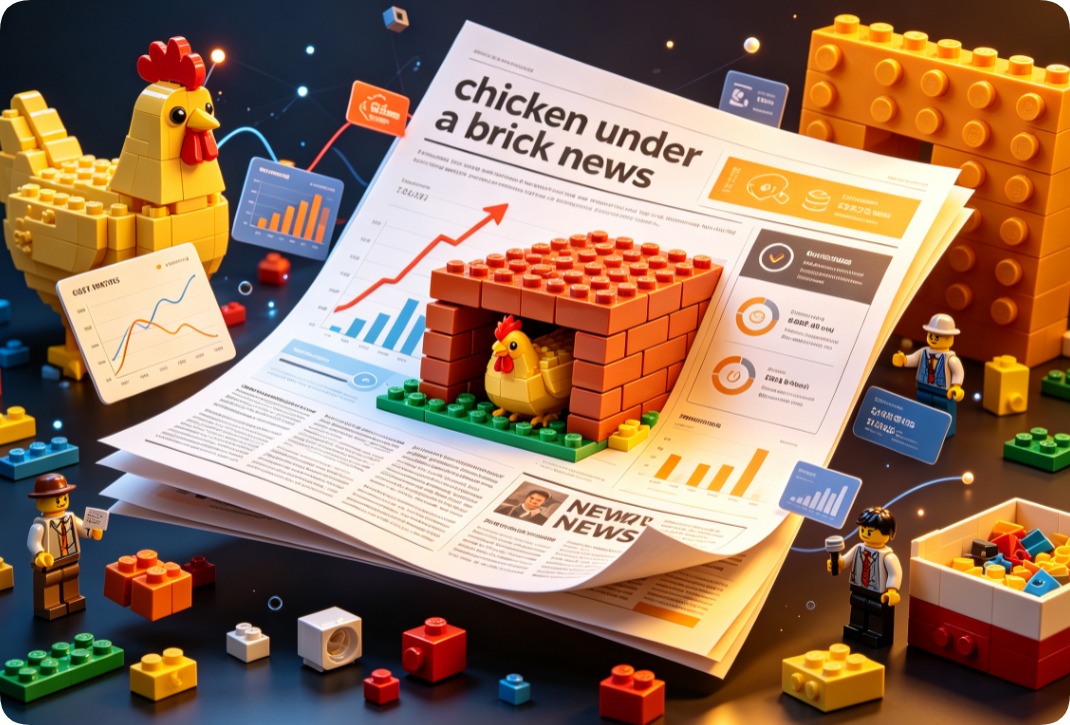
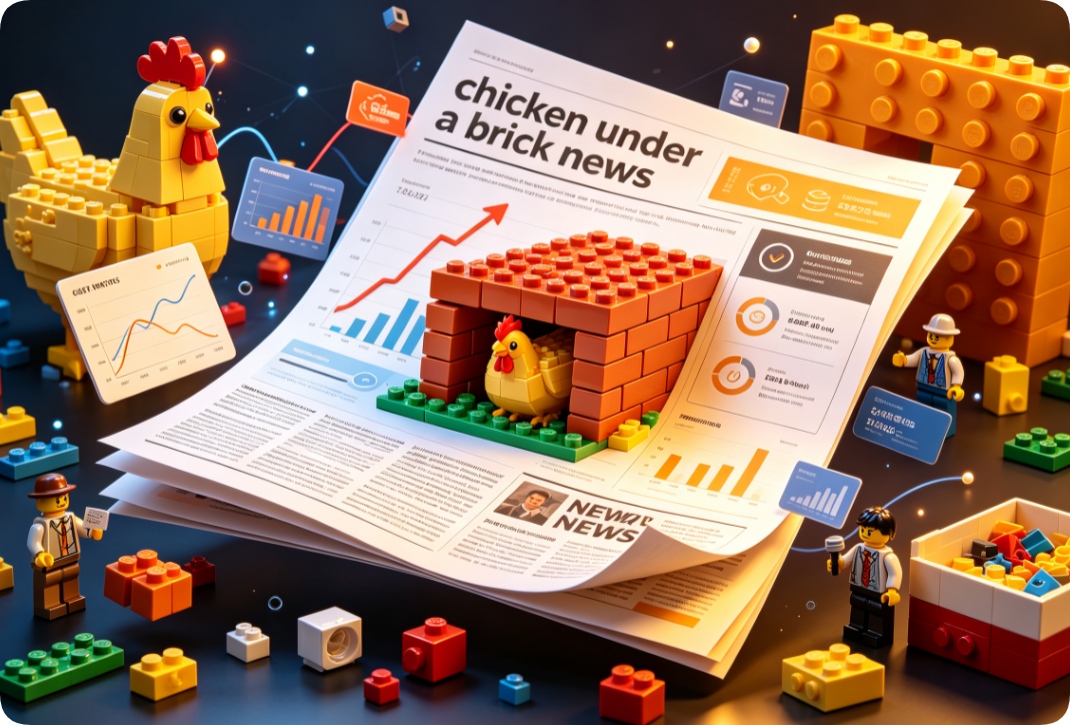
A brick has been trending. Not the plastic kind — the kitchen kind. The chicken under a brick news cycle keeps popping up across food blogs, cooking shows, and social feeds, where chefs press a foil-wrapped brick onto a herbed bird to get crispy skin and even cooking. It's a centuries-old technique having a modern moment.
Here's the fun part for builders: the same headline word — brick — powers a completely different hobby. One brick presses chicken. Another brick builds cathedrals, spaceships, and skyline dioramas. And both prove the same quiet truth: the humble brick is one of the most versatile tools humans have.
This post uses that crossover as a jumping-off point, then gets practical. You'll learn how to spot a quality LEGO alternative set, what separates a keeper from a dust-collector, and how to buy smart whether you build to relax, to display, or to invent.
What you'll walk away with:
- Why the "brick" concept keeps proving its worth
- A step-by-step method for picking sets worth your money
- Practical tips that apply the moment you shop
- Answers to the questions builders actually ask
Why a Cooking Trend Says Something About Building Bricks
The chicken under a brick news trend works for one reason: a brick delivers steady, reliable pressure. It's simple, dependable, and it does exactly what you need every single time. Chefs love it because it doesn't overcomplicate the job.
Building bricks earn loyalty the same way. The magic isn't flash — it's consistency. A brick that clicks the same way every time, holds its grip for years, and connects to the piece you bought five years ago is a brick you can trust.
So while the food world rediscovers the kitchen brick, builders already know the secret. A good brick is quietly excellent. The trick is knowing how to find one.
From skillet to shelf: the mindset shift
Think of a great brick set the way a chef thinks of a reliable tool. It should feel solid in the hand, perform predictably, and reward you every time you use it. That standard — solid, predictable, rewarding — is exactly what we'll use to evaluate sets below.
Step 1: Define What You're Building Toward
Before you compare a single set, name your goal. Different builders need different things, and the "best" set changes depending on why you build.
Match the set to your intent:
- Relaxation builds — mid-size sets with a smooth, satisfying flow for unwinding after work.
- Display pieces — large, detailed models designed to command a shelf or cabinet.
- STEM and family time — sets that teach sequencing and problem-solving through hands-on play.
- Original creation — parts-rich sets and loose bricks for designing your own models.
If you're unsure, start with the finished result you're picturing. A skyline on your desk points you toward architecture. A rainy-Sunday project with your kids points toward a mid-complexity STEM kit. Name the outcome first, and the set almost chooses itself.
Step 2: Test the Brick Itself
This is the culinary lesson applied directly. A kitchen brick is only useful if it delivers steady pressure. A building brick is only worth buying if it delivers steady clutch — the grip between two connected pieces.
Judge clutch power like this:
- Snap two bricks together. You want a clean click, not a loose slide.
- Lift the top brick — the bottom should hold on rather than drop.
- Pull them apart. You want firm resistance, then a clean release with no cracking.
- Repeat a few times. The grip should stay identical every round.
Consistency is everything. One weak connection in a bag of hundreds hints at a batch problem across the whole set. Just as a chef wants the same reliable weight each time, you want the same reliable click each time.
Don't skip the plastic check
Material decides how a set ages. Look for genuine ABS plastic — it resists yellowing, holds color, and gives bricks a solid, satisfying weight. Run a finger along a seam; rough edges signal cheap molds. Flex a thin plate gently; quality plastic bends slightly and springs back rather than snapping.
Step 3: Confirm It Plays With What You Own
A kitchen brick works with any skillet. A building brick should work with any standard set. Compatibility is what turns a single purchase into the seed of a growing collection.
Quick compatibility check:
- Connect the new bricks to trusted bricks you already own — they should lock with no wobble.
- Build a small flat area and run your finger across it. It should feel level, with no raised seams.
- Confirm specialty pieces — hinges, gears, angled connectors — match the standard scale.
The standard stud system keeps every future purchase friendly with today's. That's the whole advantage of a well-made alternative: you get the same building language at a friendlier price, and everything snaps together across brands and years.
Step 4: Read the Instructions Before You Commit
Great bricks with a terrible manual make for a frustrating afternoon. A clear guide is the difference between flow and headache — especially on a dense build.
Signs of a strong manual:
- Large, high-contrast step diagrams
- Part-count callouts at each stage
- Sub-assemblies broken into logical sections
- Numbered bags that match build stages
- App-based or digital instructions as a bonus
For families using sets as STEM tools, this matters twice over. A well-sequenced manual teaches spatial reasoning and step-by-step thinking without ever feeling like a lesson. For adult builders, it protects the relaxing flow you came for.
If you're new to large models, start with a mid-size set to build confidence. A good manual means you don't need prior experience — just patience and a clear table.
You can explore sets with clear, well-organized instructions over at BrickHobby to see how a build should be laid out before you buy.
Step 5: Weigh Real Value, Not Just Price
The kitchen brick is beloved partly because it's basically free — a repurposed everyday object doing gourmet work. Building bricks reward the same value-minded thinking. Price alone tells you almost nothing.
Calculate real value:
- Divide the price by piece count. Under 8 cents per piece is strong for a detailed set.
- Factor in build time — a dense model gives more hours of enjoyment per dollar.
- Weigh display life — a model you'll show off for years earns its keep.
A quality alternative often delivers the same skyline, castle, or mechanical model for far less than a legacy brand, with no drop in the build experience. That value gap is exactly why so many builders switch. Don't be scared off by a low price, and don't assume a high price guarantees quality — run the math on each set.
Step 6: Match Theme to Space and Passion
Now the fun part. Theme is where personal taste takes over, and the range available to adult builders keeps growing.
Popular directions worth exploring:
- Architecture — skylines, landmarks, and modernist buildings for desk and mantel display.
- Mechanical builds — working gearboxes and motorized models that actually move.
- Botanical sets — flower arrangements and bonsai that never wilt, perfect for home decor.
- Fantasy and sci-fi — castles, spaceships, and dragons packed with fine detail.
Before you commit, think about where the finished model will live. A 2,000-piece castle needs real shelf space; a compact botanical set fits a windowsill. Matching scale to space now saves frustration later.
Ready to browse by theme? Head to the BrickHobby shop to see how sets are grouped by category, scale, and complexity.
Step 7: Buy Smart and Time It Well
Timing turns a good purchase into a great deal. Alternative brands run seasonal promotions, and limited editions move fast.
Smart-buying checklist:
- Watch holiday sales — deep discounts cluster around major seasonal events.
- Grab limited editions early — exclusive sets rarely restock.
- Consider bundles — multi-set buys often cut the per-set price.
- Verify the seller — buy from the official brand site or authorized retailers to sidestep low-effort counterfeits.
That last point matters most. There's a real gap between a reputable alternative brand and a throwaway knockoff. A trustworthy maker publishes clear specs, stands behind its sets, and offers real support when a piece goes missing.
A Quick Recap Worth Bookmarking
The chicken under a brick news trend is a fun reminder that simple tools, used well, produce impressive results. The same is true on your build table. Here's the method in one glance:
- Define your goal — relax, display, teach, or create.
- Test the brick — clean click, firm hold, genuine ABS.
- Confirm compatibility — standard studs, no wobble.
- Read the manual — clear diagrams, numbered bags.
- Weigh real value — cost per piece plus build hours.
- Match theme to space — pick what fits your shelf and your passion.
- Buy smart — right timing, verified seller.
Follow those seven steps and you'll stop gambling on sets that disappoint. You'll build something solid — the kind of piece that rewards you every time, just like a well-used brick should.
Putting It Into Action
The kitchen may have rediscovered the brick this year, but builders have known its value all along. A great brick is dependable, versatile, and quietly excellent — whether it's pressing a bird or holding up a cathedral.
Your next step is simple. Pick one goal from Step 1, run a set through the seven-step check, and start building something worth displaying. Want the story behind our approach to quality and compatibility? Read more on the BrickHobby about page before your next build.
Frequently Asked Questions
Q: What does the "chicken under a brick news" trend have to do with building bricks?
Nothing directly — and that's what makes it a fun angle. The culinary trend uses a heavy brick to press chicken for crispy, even cooking, while building bricks snap together to create models. Both simply prove the same point: a brick is a reliable, versatile tool. For builders, the lesson translates to prioritizing consistency and dependable performance when choosing a set.
Q: How do I know if a LEGO alternative set is actually good quality?
Test three things. First, clutch power — bricks should click firmly, hold weight, and release cleanly every time. Second, material — look for genuine ABS plastic that resists yellowing and feels solid. Third, compatibility — new bricks should lock onto your existing collection with no wobble. If a set passes all three, it's built to last.
Q: Are alternative brick sets suitable for kids and STEM learning?
Yes. Quality sets with clear, numbered instructions teach sequencing, spatial reasoning, and problem-solving through hands-on play. Look for durable ABS plastic that survives repeated building and age-appropriate complexity. Step-by-step manuals let children finish models with growing independence, turning screen-free time into genuine skill-building.
Q: Why are alternative sets often cheaper than premium brands?
Lower prices usually come from leaner marketing and no licensing fees on original designs — not from cheaper materials. Many alternatives use the same ABS plastic and match the clutch power of premium sets, delivering the same experience for significantly less. Always run the cost-per-piece math to confirm real value rather than judging by sticker price alone.
Q: How do I avoid buying a low-quality knockoff?
Buy from the official brand site or authorized retailers, check for consistent color and clean seams, and confirm the set uses the standard stud system. A reputable maker publishes clear specs and offers support for replacement parts. That transparency is what separates a genuine alternative brand from a throwaway counterfeit.
Ready to build this yourself?
BrickHobby sells high-quality LEGO-alternative building block sets — the same brick standard, a fraction of the price. Browse our in-stock sets and simply contact our customer service team to place your order; we will confirm availability, pricing and worldwide shipping for you.
Keep reading
Brick News
Track Brick and LEGO Company News Like a Pro Builder
Learn how to track brick and lego company news, spot trends early, and choose better Lego alternatives like BrickHobby for your next build.
Brick News
How to Follow JT the Brick Lego News and Find Better Alternatives
Learn how to track JT the Brick Lego news, spot building trends, and choose the best Lego alternatives for your next build with this practical guide.
Brick News
How to Follow Lego Brick Manufacturer News and Find the Best Alternatives
Learn how to track lego brick manufacturer news and evaluate alternative brands like BrickHobby before your next build. A practical guide for collectors.