How to Choose and Use the Best Giant Building Blocks for Toddlers
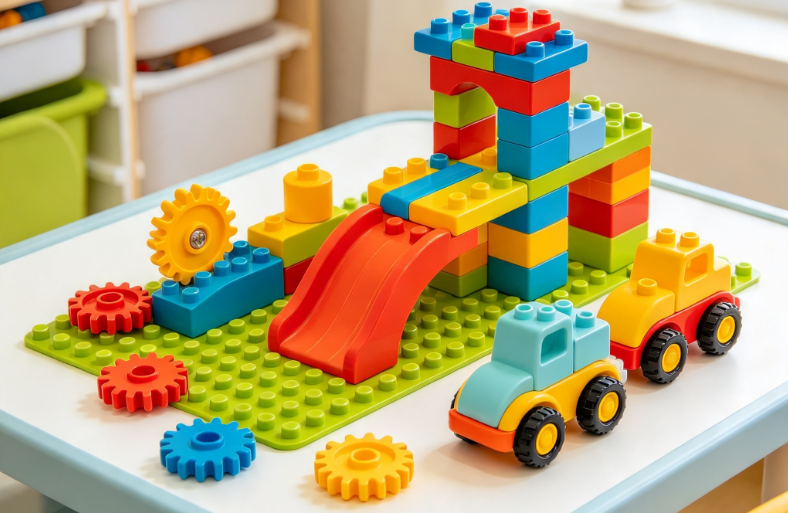
Toddlers don't need complicated toys. They need blocks big enough to grip, safe enough to chew, and sturdy enough to survive a thousand stacking-and-smashing sessions. Giant building blocks solve all three problems at once — which is why so many parents searching for toddler toys end up asking the same question: is it best giant building blocks for toddlers or standard-sized bricks that actually build real skills?
This guide answers that question directly. We'll cover what makes giant blocks toddler-safe, how to judge quality before you buy, how to pick the right set for your child's age, and how to set up a play space that gets used every single day — not just on Christmas morning.
Why Giant Building Blocks Matter for Toddlers
Toddlers learn through their hands first, their brains second. Stacking a tower. Knocking it down. Building it back up, slightly differently. That repetition is not random — it's how toddlers develop hand-eye coordination, spatial reasoning, and early problem-solving skills.
Giant blocks make that learning process easier and safer. Standard LEGO-style bricks are small, which means small hands struggle to grip and connect them, and small pieces create choking hazards for children under three. Giant blocks remove both obstacles. Bigger size means easier handling. No tiny pieces means fewer trips to the emergency room.
Parents often ask is it best giant building blocks for toddlers compared to smaller sets marketed for "all ages." For kids under four, the answer is almost always yes — bigger is safer, and safer means more independent, hands-on play.
What Makes Giant Building Blocks the Right Choice for Toddlers
Not every oversized block on the market is built for toddlers. Before buying, check these three things.
Age Appropriateness\
Look for sets explicitly labeled for ages 1–4 or similar. These sets use larger block dimensions, rounded edges, and simplified connection points designed for developing motor skills — not scaled-down adult sets.
Size and Weight\
A true toddler-safe giant block should be too large to fit in a small child's mouth and light enough that a dropped block won't cause injury. Most toddler-grade giant blocks measure several times the size of a standard adult brick.
Safety Certifications\
Confirm the set meets EN71 (EU) or ASTM F963 (US) safety standards. These certifications test for choking hazards, toxic materials, and structural durability — non-negotiable for any toy going into a toddler's mouth, hands, or face.
How to Evaluate Quality: Materials, Block Size, and Compatibility
Once a set clears the safety bar, quality becomes the deciding factor between a toy that lasts years and one that cracks within weeks.
Materials\
Food-grade, BPA-free ABS plastic is the industry standard for durable, toddler-safe blocks. It resists cracking under pressure, keeps its color after repeated washing, and holds up against the inevitable bite test every toddler performs.
Block Size Consistency\
Quality sets manufacture every block to the same precise dimensions. Inconsistent sizing means loose or overly tight connections — frustrating for toddlers and dangerous if pieces separate unexpectedly during play.
Cross-Set Compatibility\
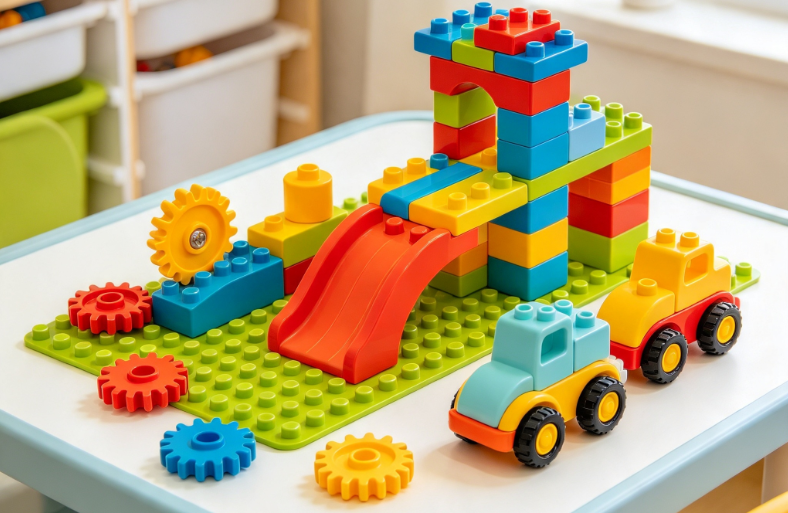
Choosing a block system that's compatible across multiple sets extends the life of your investment. A toddler who outgrows a starter set can fold those blocks into a bigger collection later, rather than starting from zero. BrickHobby's kids and toddler starter sets are built with this kind of long-term compatibility in mind, so one set naturally grows into a full collection.
How to Choose the Best Set for Your Toddler's Developmental Stage
Toddler development moves fast, and the right set at 18 months looks very different from the right set at 3 years old.
12–18 Months: Choose the simplest sets — large, single-shape blocks with one connection method. The goal at this stage is grip strength and basic stacking, not design complexity.
18–30 Months: Introduce blocks in multiple shapes and colors. Toddlers at this stage start sorting by color and size, which supports early cognitive categorization skills.
30 Months–4 Years: Look for sets that include simple picture instructions. Following a basic visual guide — even loosely — builds sequencing skills and early pattern recognition, both precursors to later STEM learning.
Across every stage, the question parents keep coming back to is is it best giant building blocks for toddlers or a mixed-size starter kit. If your toddler is under four, stick with giant blocks exclusively until grip strength and attention span catch up to smaller pieces.
How to Set Up a Safe and Engaging Play Space with Giant Blocks
The block set matters, but the play space determines whether it gets used.
Clear the Floor\
Giant blocks need room. A cleared section of carpet or a padded play mat gives your toddler space to build outward and upward without tripping hazards nearby.
Store Blocks at Toddler Height\
Use a low, open bin rather than a lidded box. Toddlers are far more likely to initiate independent play when they can see and reach their blocks without asking for help.
Rotate the Selection\
Don't dump the entire collection on the floor at once. Rotating a smaller selection of blocks every week keeps play fresh and prevents overwhelm — a trick borrowed directly from Montessori-style play environments.
Supervise, Don't Hover\
Giant blocks are safe enough for independent play, but toddlers still benefit from a parent nearby to narrate, encourage, and occasionally rebuild a toppled tower.
How to Get the Most Out of Giant Building Blocks
A set of blocks is only as good as the play built around it. Here's how to stretch the value of every set.
- Build Together, Then Step Back: Start a tower with your toddler, then let them finish it alone. This models the behavior without taking over the activity.
- Turn Stacking Into Counting: Count blocks aloud as you build. It's a simple way to layer early math skills into free play.
- Introduce Color Sorting Games: Ask your toddler to hand you "the red one" or "the big one." This builds vocabulary alongside motor skills.
- Let Them Knock It Down: Resist the urge to preserve a finished tower. Knocking it down and rebuilding is where most of the developmental benefit actually happens.
- Mix in Pretend Play: Blocks become castles, garages, or towers for toy animals. Encouraging imaginative scenarios extends play sessions and builds narrative thinking.
Parents of slightly older toddlers transitioning toward structured building can explore BrickHobby's full shop collection for sets that scale in complexity as skills develop.
Why BrickHobby Is a Top LEGO Alternative for Giant Building Blocks
BrickHobby designs toddler-focused sets around safety-tested, chunky bricks sized specifically for small hands — the kind of foundation that makes the difference between a toy that gets used daily and one that ends up in a closet. Every set ships from EU and US warehouses, usually within 48 hours. Every brick is backed by BrickHobby's lifetime brick promise: lose a piece mid-build, and BrickHobby replaces it free, forever.
For families asking is it best giant building blocks for toddlers worth the investment over cheaper alternatives, the answer comes down to consistency. Premium ABS plastic, numbered builder bags, and fade-resistant color all mean a set that survives years of toddler play, not months. Browse the full range on the BrickHobby shop to find a starter set that matches your toddler's stage.
Frequently Asked Questions
What age should toddlers start using giant building blocks?\
Most children can start safely around 12 months, once they can grip and release objects with intention. Choose the simplest, largest blocks available for this age group.
Are giant building blocks safer than standard LEGO-style bricks?\
Yes, for toddlers under four. Giant blocks remove the choking hazard associated with small pieces and are easier for developing hands to grip and connect.
How many blocks does a toddler need to start?\
A starter set of 20–40 blocks is enough to build basic towers, sort by color, and introduce simple patterns. You can expand the collection as skills grow.
Can giant building blocks grow with my child?\
Yes, as long as the system stays compatible across sets. Choosing one brand's ecosystem from the start lets your toddler's collection grow without starting over.
Are BrickHobby's toddler sets compatible with other building block brands?\
BrickHobby designs its toddler starter sets for compatibility within its own ecosystem, so every new set adds directly to your toddler's existing collection without compatibility issues.
Ready to build this yourself?
BrickHobby sells high-quality LEGO-alternative building block sets — the same brick standard, a fraction of the price. Browse our in-stock sets and simply contact our customer service team to place your order; we will confirm availability, pricing and worldwide shipping for you.
Keep reading
Kids & Toddlers Bricks
How to Choose and Use the Best Giant Building Blocks for Toddlers
Toddlers don't need complicated toys. They need blocks big enough to grip, safe enough to chew, and sturdy enough to survive a thousand stacking-and-smashing sessions.
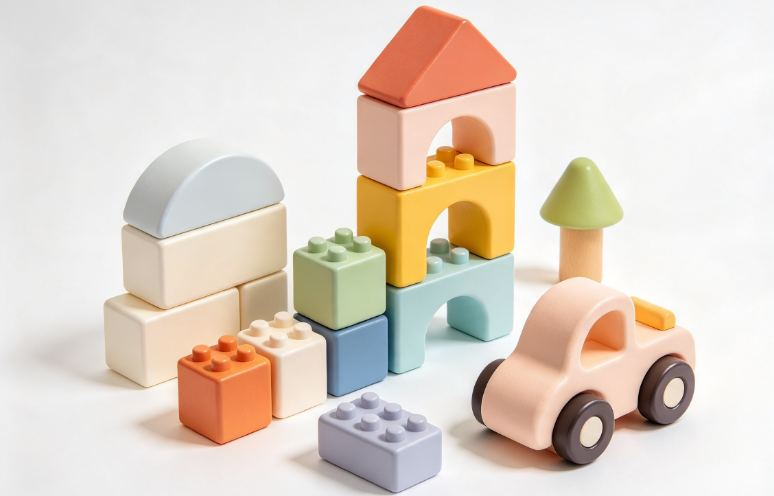
Kids & Toddlers Bricks
How to Choose the Best Building Blocks for Toddlers (And Actually Use Them Right)
Toddlers learn with their hands. Stacking, sorting, knocking down, building back up — it's not just play, it's brain development in action. But here's the problem: not every brick on the market is built
Kids & Toddlers Bricks
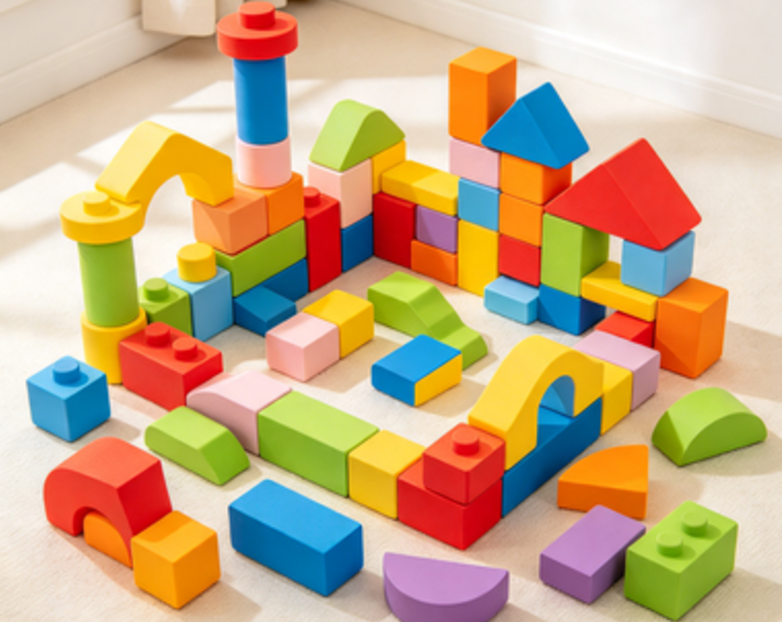
How to Choose and Use the Best Giant Foam Building Blocks for Toddlers
Toddlers learn by stacking, knocking down, and starting over. Giant foam building blocks turn that instinct into real skill-building — hand-eye coordination, spatial reasoning, and early problem-solving