How to Choose the Best Building Blocks for Toddlers (And Actually Use Them Right)
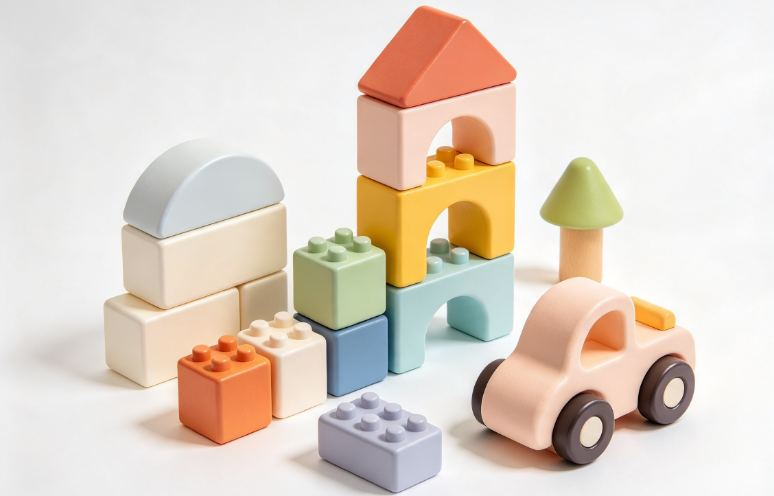
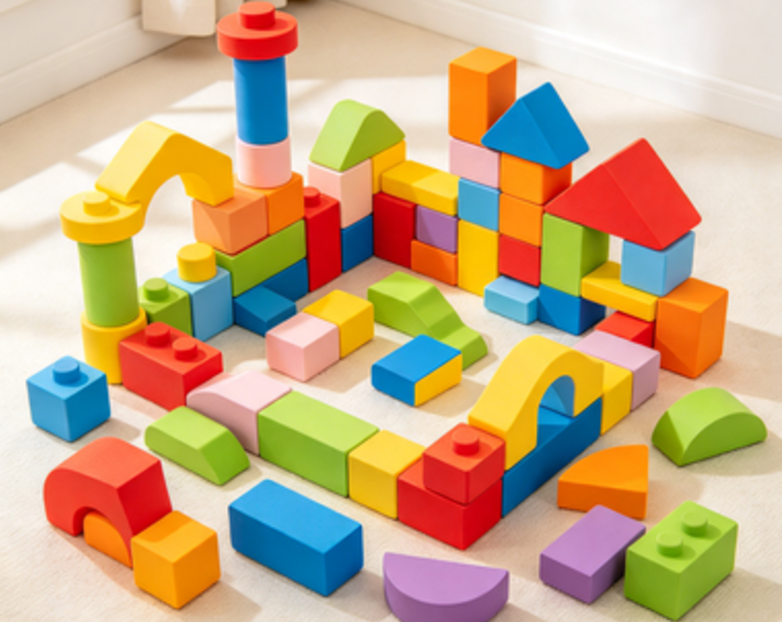
Toddlers learn with their hands. Stacking, sorting, knocking down, building back up — it's not just play, it's brain development in action. But here's the problem: not every brick on the market is built for small hands and shorter attention spans. Picking the wrong set means tears, choking hazards, or a toy that ends up at the bottom of the bin by week two.
This guide walks you through exactly how to pick the best-building-blocks-for-toddlers, how to introduce them the right way, and how to turn simple stacking sessions into real learning moments. No fluff. Just what works.
Why Building Blocks Matter for Toddlers
Building blocks aren't just a way to pass time before nap. For toddlers aged 1–4, blocks build:
- Fine motor skills — gripping, stacking, and placing bricks strengthens the small muscles in little hands.
- Hand-eye coordination — lining up a brick to fit takes real focus at this age.
- Early problem-solving — "why did my tower fall?" is a toddler's first engineering lesson.
- Language development — colors, shapes, and counting naturally come up during play.
- Patience and persistence — rebuilding after a collapse teaches resilience early.
Pediatric occupational therapists consistently recommend open-ended toys like building blocks over passive screen time for this exact reason: blocks ask the brain to do something, not just watch something.
How to Choose the Best Building Blocks for Toddlers
Not all blocks are created equal. Here's what actually matters when you're shopping.
1. Safety First — Always
Toddlers put everything in their mouths. That's not a bad habit, it's biology. So:
- Choose bricks large enough that they can't become a choking hazard (avoid anything smaller than a standard adult thumb for kids under 3).
- Check for ASTM F963 (US) or EN71 (Europe) safety certification on the packaging.
- Avoid sharp edges or small detachable pieces like tiny flags, antennas, or stickers that can peel off.
- Confirm the material is BPA-free and non-toxic — toddlers chew.
2. Size Matters More Than You'd Think
A standard LEGO-sized stud is too small for a 2-year-old's grip and too risky for mouths. Look for "DUPLO-style" oversized bricks — roughly double the size of standard interlocking bricks — designed specifically for ages 1–5.
3. Material and Durability
Toddlers drop things. A lot. ABS plastic is the industry standard for a reason: it's impact-resistant, holds color well, and doesn't splinter or crack like cheaper alternatives. If a set feels light and flimsy out of the box, it won't survive a toddler's first week.
4. Compatibility
If you already own a brick system at home — or plan to grow the collection as your child ages — check whether the toddler set is cross-compatible with standard-sized bricks. This matters more than people realize. A toddler starter set that can't connect to bigger sets later means buying an entirely new system in two years. Look at a brand's toddler starter sets and confirm compatibility before buying.
Step-by-Step: How to Introduce Building Blocks to Your Toddler
Handing over a box of bricks and walking away rarely works. Here's a better approach.
Step 1: Start small. Give your toddler 6–10 blocks, not the whole bucket. Too many options overwhelm toddlers and lead to dumping, not building.
Step 2: Demonstrate first. Stack two or three blocks yourself while your toddler watches. Narrate what you're doing: "I'm putting the red one on top of the blue one."
Step 3: Let them fail. If the tower falls, resist the urge to rebuild it immediately. Let your toddler react, then ask, "Want to try again?"
Step 4: Add blocks gradually. Once your child is comfortable stacking 3–4 blocks, introduce more colors and shapes to keep it engaging.
Step 5: Keep sessions short. Ten to fifteen minutes is plenty for a toddler's attention span. End on a high note, not when they're bored.
Step 6: Make it a routine. Toddlers thrive on repetition. A short daily building session builds skill faster than one long weekly session.
How to Make Playtime More Educational with Building Blocks
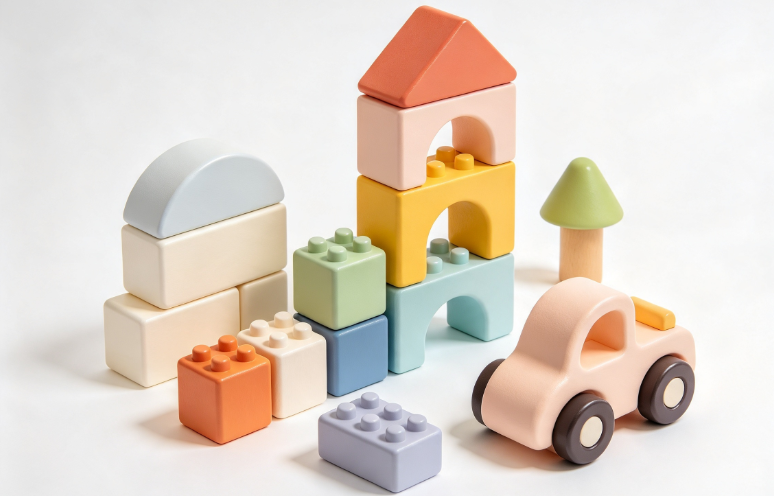
Building blocks go from "toy" to "learning tool" with a few small tweaks:
- Color sorting: Ask your toddler to group blocks by color before building. This reinforces color recognition.
- Counting games: "Can you give me three blocks?" turns stacking into a math lesson.
- Shape talk: Point out squares, rectangles, and cylinders as you build.
- Storytelling: Build a "house" or "car" and ask your toddler what happens next. This builds narrative and imagination skills.
- Size comparison: Line blocks up from tallest to shortest, or biggest to smallest.
These small additions turn five minutes of stacking into a genuine early-STEM activity — and they cost nothing extra.
BrickHobby as a LEGO Alternative: What Sets It Apart
Choosing a LEGO alternative isn't about cutting corners — it's about finding the right fit for your family's needs and budget. BrickHobby was built with exactly this in mind.
Every BrickHobby set uses collector-grade ABS plastic with tight clutch power, so bricks snap together securely and don't fall apart mid-play. For families looking specifically at early building, BrickHobby's kids and toddler starter sets use chunky, safety-tested bricks sized for small hands — genuinely among the best-building-blocks-for-toddlers on the market for families who plan to grow their collection over time.
Here's what else sets BrickHobby apart:
- Cross-compatibility — toddler sets connect with standard-sized brick collections, so nothing goes to waste as your child grows.
- 48-hour express shipping across the US and Europe, so you're not waiting weeks for a gift or replacement.
- Lifetime brick promise — lose a piece mid-build? BrickHobby replaces it free, forever.
- Wide range beyond toddler sets — once your child outgrows starter bricks, the same brand offers architecture sets, world landmarks, and licensed collections like Star Wars and Harry Potter for the next building stage.
For parents comparing options, this combination of safety, durability, and long-term compatibility makes BrickHobby a practical pick among the best-building-blocks-for-toddlers available to Western shoppers today.
Tips for Storing and Maintaining Building Blocks
A toddler's building set only stays fun if it stays organized. A few practical tips:
- Use clear bins, not one giant box. Sorting blocks by color or size into separate bins makes cleanup part of the play, and helps toddlers find pieces faster.
- Wipe bricks down monthly. A damp cloth with mild soap keeps bricks clean without damaging the plastic — important since toddlers mouth everything.
- Check for cracked pieces regularly. Toddler bricks take a beating. Inspect for sharp breaks or splitting plastic every few months.
- Store away from heat sources. Direct sunlight or heating vents can warp ABS plastic over time.
- Involve your toddler in cleanup. "Let's put all the red ones in this bin" turns tidying into another sorting lesson.
A well-maintained set lasts years, not months — and often gets handed down to a younger sibling or cousin once your toddler moves on to bigger builds. If you're ready to start building today, browse the full collection to see current sets in stock.
Frequently Asked Questions
What age should toddlers start playing with building blocks?\
Most toddlers can safely start with oversized, DUPLO-style blocks around 12–18 months, once they've outgrown the stage of mouthing every object immediately. Standard smaller bricks are better suited for ages 3 and up.
How do I know if building blocks are safe for my toddler?\
Check the packaging for ASTM F963 (US) or EN71 (Europe) safety certifications, confirm the plastic is BPA-free, and make sure individual pieces are too large to pose a choking risk.
Are LEGO alternatives like BrickHobby actually compatible with LEGO bricks?\
Yes. BrickHobby bricks are engineered to the same stud dimensions as standard interlocking bricks, so they connect with most major brick systems, including sets your toddler may already own.
How many building blocks does a toddler actually need to start?\
Start with 6–10 oversized blocks. More than that tends to overwhelm toddlers and leads to dumping rather than building. You can expand the set gradually as their skills grow.
What's the best way to clean toddler building blocks?\
Wipe them down with a damp cloth and mild soap monthly, and let them air dry fully before returning them to storage bins. Avoid soaking bricks, as water can get trapped in hollow studs.
Ready to build this yourself?
BrickHobby sells high-quality LEGO-alternative building block sets — the same brick standard, a fraction of the price. Browse our in-stock sets and simply contact our customer service team to place your order; we will confirm availability, pricing and worldwide shipping for you.