
How to Build a Trending Brick Wall Feature for Your Home (And Stay Ahead of the Latest Decor News)
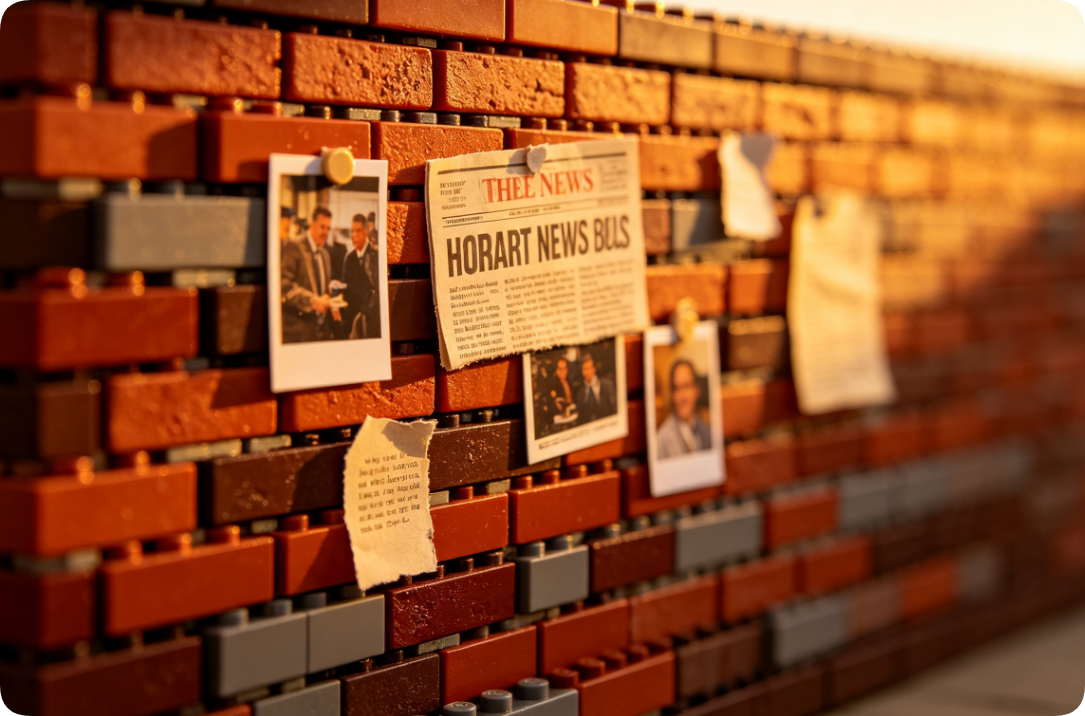
A brick wall says something. It carries texture, warmth, and a bit of story. And lately, brick-built wall art has moved from a niche corner of the hobby into a genuine home decor moment. People are hanging brick mosaics in living rooms, framing brick portraits in home offices, and building whole feature walls one stud at a time.
I hope this guide helps you create something you'll love looking at every day. You'll learn how to plan a brick wall feature, choose the right technique, follow the design trends worth following, and display your finished piece so it truly shines. Whether you're a seasoned builder or you're picking up your first big project, there's a clear path here for you.
Let's get started.
Why Brick Wall Features Are Having a Moment
Home decor moves in cycles. Right now, tactile, handmade-feeling pieces are winning. People want texture on their walls, not just flat prints. A brick-built feature gives you exactly that — depth, shadow, and the satisfying sense that a human made it.
There's another reason too. Building a wall feature blends two hobbies many of us already love: brick building and home styling. You get the meditative focus of a long build, then the reward of a finished piece that changes how a room feels.
Following brick wall trending news helps you spot which styles are rising before they peak. Right now, three directions stand out:
- Pixel-style mosaics: Flat brick artwork that turns photos, logos, or landscapes into grid-based images.
- 3D relief walls: Sections that jut outward to create real depth and shadow play.
- Mixed-material frames: Brick centers paired with wood or metal frames for a gallery look.
Each of these suits a different room and skill level. We'll cover how to build all three.
Step 1: Plan Your Brick Wall Feature
Every good build starts with a clear idea. Skip the planning and you'll hit frustration halfway through. Spend a little time here and the rest flows smoothly.
Decide What Kind of Wall You Want
Ask yourself one question first: is this art or architecture? A flat mosaic hangs like a picture. A 3D relief feels more like a sculpture. Neither is better. They just suit different spaces and tastes.
Think about the room too. A bright landscape mosaic warms up a hallway. A moody, monochrome relief adds drama to an office. Match the mood of the piece to the mood of the room.
Measure Your Space
Grab a tape measure and mark out where the piece will live. Note the width and height you have to work with. This tells you how large your baseplate grid needs to be.
A quick tip: brick artwork reads best from a short distance, so leave some breathing room around it. A crowded wall fights the piece instead of framing it.
Set a Realistic Scope
Be honest about your time and skill. A small 32x32 mosaic is a satisfying weekend project. A full feature wall spanning several plates is a long-term build you'll enjoy over many evenings.
If you're newer to large builds, start smaller. There's real joy in finishing something, and that confidence carries into your next project. You can browse baseplate sizes and starter kits over at BrickHobby to match a project to your available time.
Step 2: Choose Your Bricks and Materials
The pieces you pick shape everything about the final look. A little care here pays off for years.
Baseplates Come First
Your baseplate is the canvas. For flat mosaic art, thin plates work well since the piece hangs flat. For 3D relief walls, choose thicker building plates that accept connections on both faces. That extra grip keeps your protruding sections firm.
Count your studs before you buy. A single 32x32 plate gives you 1,024 points to work with. Larger scenes need multiple plates joined edge to edge, so plan your grid in advance.
Colors Make the Picture
Here's where brick art gets fun. Pixel-style mosaics rely entirely on color placement. The more shades you have, the smoother your gradients look. Grays, blues, and earth tones give you natural transitions for landscapes and portraits.
Buy a little extra of your dominant colors. Running out of one shade halfway through a gradient is a common headache. Loose bricks by color are easy to stock up on, and they let you fill gaps without buying whole new sets.
Pick Quality That Holds
For a piece meant to hang for years, clutch power matters. Bricks that grip firmly won't sag or pop loose over time. Standard-spec bricks made from sturdy material keep your artwork looking sharp season after season.
Step 3: Design Your Pattern
Before a single brick clicks, you need a plan for the image itself. This is the stage that separates a decent piece from a stunning one.
Turn an Image into a Grid
For mosaic art, start with a reference image. A photo, a landscape, a favorite skyline, or an abstract pattern all work. Then convert it into a grid that matches your baseplate.
Several free tools online turn photos into brick-style pixel grids. Each square becomes one stud of a specific color. Print the grid and keep it beside you as your map.
Keep an Eye on Trends
This is where staying current pays off. Following brick wall trending news shows you which motifs are catching on — retro sunset gradients, topographic map lines, and bold single-color typography have all had strong moments lately.
You don't have to chase every trend. Pick the ones that genuinely speak to you. A piece you love will always outshine a piece that's merely fashionable.
Sketch 3D Relief Layers
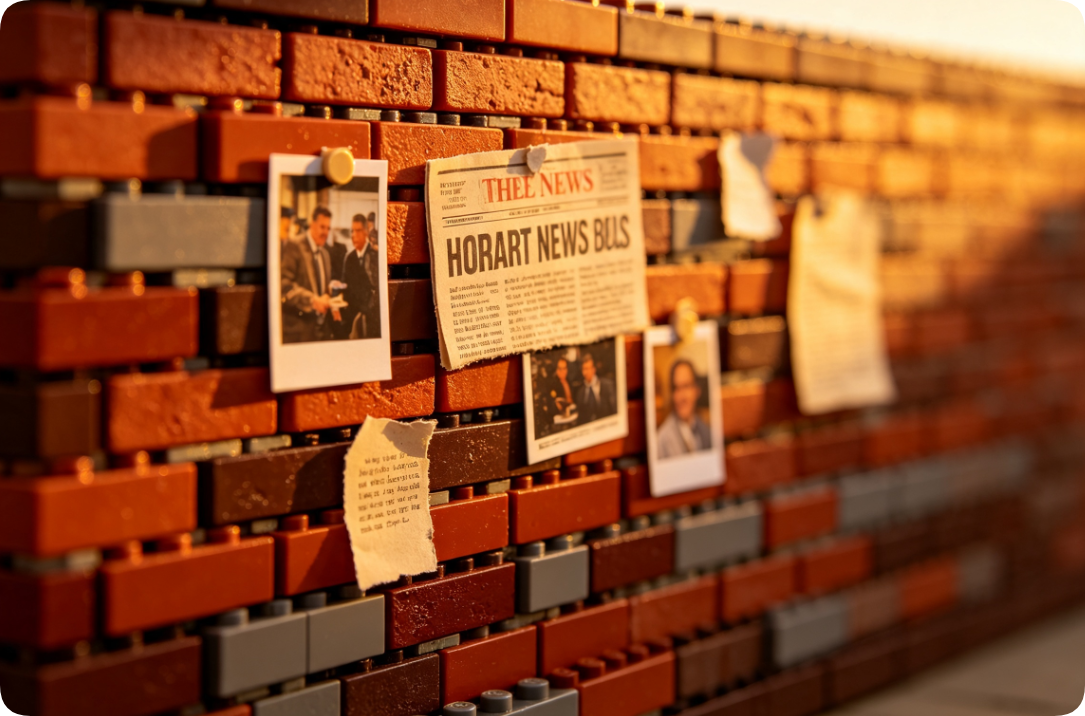
If you're building outward, plan your depth in layers. Decide which sections sit flat, which rise one brick, and which push out further. A simple side-view sketch helps enormously here. Think of it like a topographic map: each level of height gets its own outline.
Step 4: Build Your Brick Wall Feature
Now for the best part. Clear your workspace, sort your bricks, and settle in.
Sort Before You Start
Group your bricks by color and size. This one habit saves hours. When your grid calls for a specific shade, you want it right at hand, not buried in a bin.
Small bowls, an egg carton, or a divided tray all work. Good sorting turns a fiddly build into a calm, flowing one.
Build the Mosaic Row by Row
For flat pixel art, work systematically. Most builders go row by row, bottom to top, following the printed grid square by square. This keeps you from losing your place in a sea of similar colors.
Press each brick down firmly and check it against your map. Catching a misplaced color early saves a lot of unpicking later. Take breaks and step back often — small errors are far easier to spot from a few feet away.
Build Relief Walls in Modules
For 3D features, build each raised section as its own small module, then attach it to the base. This modular approach is how experienced builders handle big, complex scenes. It also lets you test the shadow effect as you go.
Anchor protruding sections with enough studs underneath. A single-point connection wobbles. A wide base of studs holds firm even when the section reaches outward.
So what? A well-anchored build stays crisp on your wall for years without sagging. That structural care is the quiet difference between a piece that lasts and one that slowly droops.
Step 5: Frame and Finish Your Piece
A finished brick wall feature deserves a proper finish. This stage lifts it from "nice build" to "wall-worthy art."
Add a Frame
A frame does two things. It defines the edges and it protects the piece. Many builders use a border of contrasting bricks — a dark frame around a bright image, for instance. Others pair the brick center with a wooden or metal frame for a gallery feel, which is one of the mixed-material looks trending right now.
Consider Lighting
Light changes everything on a textured wall. A small LED strip along the top casts gentle shadows down a 3D relief, making the depth pop. For flat mosaics, even side lighting keeps colors true and vivid.
You'll find frame ideas, lighting kits, and finishing accessories at BrickHobby to complete your feature.
Seal It for the Long Haul
If your piece will hang somewhere it gets handled, a few dabs of removable brick glue on hidden joints add security. Use this sparingly and only where it won't show. For a piece you might want to rebuild later, skip the glue and rely on firm clutch power instead.
Step 6: Mount and Display Your Wall Feature
The right display honors all your effort. A little thought here makes a big difference.
Choose Your Mounting Method
You have a few options, depending on weight:
- Picture ledge: Rest the piece on a shelf for a no-damage, easy-swap display.
- French cleat: A sturdy hidden bracket that holds heavier relief walls flush to the wall.
- Frame with hanging wire: Best for framed mosaics, just like a traditional picture.
Match the method to the weight. A large brick piece carries real heft, so use hardware rated well above the actual weight.
Position It Well
Hang art at eye level, where it reads best. Keep colored bricks out of direct sunlight, since UV light fades them over time. A spot with soft, indirect light keeps your colors rich for years.
Care for Your Piece
Dust it every few weeks with a soft brush or a puff of compressed air. That's genuinely all the upkeep it needs. A little care keeps your feature looking fresh for a very long time.
Staying Ahead of the Trends
Home decor keeps moving, and half the fun is riding that wave. Keeping up with brick wall trending news helps you plan your next piece before a style peaks. Watch builder communities, follow home decor accounts, and note which motifs keep reappearing.
The building community is a wonderful resource here. Members share works-in-progress, swap color tips, and celebrate each finished piece. Posting your own build invites feedback and sparks ideas for what to make next. You're never building alone.
Our own range still has room to grow, and we keep working to bring you better bricks and clearer guidance. If you get stuck or need help finding the right pieces, our team is glad to help — just reach out through BrickHobby.
Common Challenges and How to Solve Them
A few snags come up often. Each one has a simple fix.
Colors look wrong up close. Brick art is meant to be viewed from a distance. Step back several feet and the image resolves. Trust your printed grid over what your eye sees at arm's length.
A relief section keeps sagging. It needs a wider base of studs. Rebuild the anchor with more connection points spread across the plate, not clustered in one spot.
You ran out of a color mid-build. This is common with gradients. Order matching loose bricks by color rather than buying a whole new set. Keep a small reserve of your key shades for future projects.
The piece feels too big to finish. Break it into modules. Nobody builds a whole wall in one sitting. Finish one section, take a break, and come back refreshed. One plate at a time, the wall takes shape.
Bringing It All Together
A brick wall feature blends the calm of a long build with the joy of decorating a space you love. From planning your grid to anchoring a 3D relief to hanging the finished piece, every step brings a little more character to your home.
Here's your next step: measure your space, pick an image that speaks to you, and choose a baseplate to match. Start small if you're new, and grow bolder as your confidence rises. Sort your bricks, follow your grid, and enjoy the quiet focus of building something lasting.
Thank you for building with us. I hope you and your family find a project you truly enjoy, and I hope the finished piece brings warmth to your home. We're grateful to share this hobby with friends all over the world, and we wish you many happy hours at the building table\~
Frequently Asked Questions
How many bricks do I need for a brick wall feature?
It depends on the size. A single 32x32 baseplate holds 1,024 studs, so a small flat mosaic uses roughly that many pieces plus a frame. A larger feature spanning several plates can climb into the thousands. Plan your grid first, count the studs, then add a little extra of your dominant colors to cover gradients. That reserve saves you from running short mid-build.
How do I stay current with brick wall design trends?
Follow builder communities, home decor accounts, and hobby forums where people share their latest work. Keeping an eye on brick wall trending news helps you spot rising styles — like pixel gradients, topographic relief, or mixed-material frames — before they peak. Pick the trends that genuinely appeal to you rather than chasing every one. A piece you love will always look better on your wall than a piece that's merely fashionable.
Can beginners build a brick wall feature, or is it only for experts?
Beginners can absolutely do this. Start with a small flat mosaic on a single baseplate. Working row by row from a printed grid is straightforward and forgiving, and finishing a small piece builds real confidence. As you grow comfortable, you can move up to larger scenes and 3D relief walls. Every expert started with their first small build.
How do I hang a heavy brick wall piece safely?
Match your mounting method to the weight. For lighter framed mosaics, a hanging wire works like any picture. For heavier 3D relief walls, use a French cleat — a hidden bracket that holds the piece flush and secure. Always choose hardware rated well above the actual weight of your build, and add a few dabs of removable brick glue on hidden joints if the piece will be handled.
Will the colors fade over time?
They can, if the piece hangs in direct sunlight. UV light slowly fades colored bricks, so choose a spot with soft, indirect light to keep your colors rich for years. Dust the piece gently every few weeks with a soft brush or compressed air. With that small bit of care, your feature stays looking fresh for a very long time.
Ready to build this yourself?
BrickHobby sells high-quality LEGO-alternative building block sets — the same brick standard, a fraction of the price. Browse our in-stock sets and simply contact our customer service team to place your order; we will confirm availability, pricing and worldwide shipping for you.
Keep reading

Brick News
The Brick LEGO News 2026: Your Complete Guide to Smarter Alternative Builds
Stay ahead of the brick LEGO news 2026 with this guide to trending sets, alternative bricks, and smarter building strategies from BrickHobby.
Brick News
How to Track Brick Supply News LEGO Builders Actually Trust
Learn how to find and evaluate brick supply news for LEGO alternative sets, from reliable sources to step-by-step supplier sourcing tips.
Brick News
How to Build a Brick Tavern Newport News LEGO Style Masterpiece
Learn how to build a brick tavern newport news lego style model with this step-by-step guide, plus tips on pieces, tools, and customization ideas.