
How to Track Brick Prices News and Build Smarter
How to Track Brick Prices News and Build Smarter
TL;DR: Tracking brick prices news helps LEGO alternative collectors in the EU and North America time purchases, avoid overpaying, and identify the best deals across suppliers. Use price comparison tools, community forums, and dedicated platforms like BrickHobby to monitor fluctuations and act before stock runs out.
Every serious collector has made the same mistake: buying a set at full retail, only to see it discounted 30% two weeks later. For LEGO alternative builders, this stings twice as hard. The market moves fast, suppliers operate across multiple regions, and pricing can shift dramatically based on currency rates, licensing changes, or stock levels.
The good news? Staying ahead of price changes is entirely possible—if you know where to look and what to track. This guide walks you through the practical steps to monitor brick prices news, compare suppliers intelligently, and make purchasing decisions that stretch your budget further without sacrificing build quality.
Whether you're based in Germany, the Netherlands, Canada, or the United States, the principles here apply. The LEGO alternative market is global, and the collectors who build the best collections are the ones who treat pricing as information—not an afterthought.
---
Why Brick Prices News Matters for LEGO Alternative Builders
LEGO sets have a fixed retail price. LEGO alternative sets don't.
Prices for LEGO alternative sets fluctuate based on several factors: import duties, regional warehouse availability, exchange rates (particularly EUR/USD), supplier promotions, and set retirement cycles. A set priced at €150 from a European supplier might be listed at $140 USD from a US-based warehouse—or vice versa, depending on the week.
For collectors focused on large architectural sets, UCS-style models, or limited landmark replicas, these differences aren't trivial. A 10% price gap on a 4,000-piece set means real money. Multiply that across a full calendar year of purchases, and disciplined price tracking can save a collector hundreds of euros or dollars annually.
Beyond savings, following brick prices news helps you identify restocks before they sell out, catch flash deals from suppliers clearing warehouse space, and track which sets are rising in secondary market value—useful if you're building a display-grade collection with long-term investment value in mind.
---
Understanding the LEGO Alternative Pricing Landscape in Europe and North America
The LEGO alternative market in 2025 is more mature than it was five years ago. Brands like BrickHobby now operate warehouses in both the EU and the US, enabling faster regional shipping and more competitive local pricing. This dual-warehouse structure also means pricing can differ between regions based on local demand and logistics costs.
Here's how the landscape breaks down for collectors in each region:
EU Collectors (Germany, Netherlands, France, Scandinavia):
- VAT is typically included in listed prices, making cross-border comparisons tricky
- EU warehouse fulfillment from suppliers like BrickHobby typically ships within 48 hours
- Currency fluctuations between EUR and GBP affect pricing for UK-based collectors post-Brexit
- Import duty thresholds vary by country, so sets shipped from outside the EU may carry additional charges
North American Collectors (US and Canada):
- USD pricing is often lower per brick due to competitive supplier dynamics
- Canadian collectors face import fees on sets shipped from the US, making local or direct warehouse sourcing preferable
- Sales tax varies by state and province, adding complexity to sticker-price comparisons
- US-based warehouse fulfillment is increasingly standard for major LEGO alternative brands
Understanding these regional dynamics is the foundation of smart price tracking. A deal that looks attractive at first glance may carry hidden costs—or may genuinely be the best available price in your region.
---
How to Track Brick Prices News Effectively
Tracking prices manually across multiple suppliers is time-consuming. The goal is to build a system that surfaces relevant brick prices news with minimal daily effort. Here are the most effective methods:
Set Up Google Alerts for Key Terms
Google Alerts is free and underused by most collectors. Set alerts for terms like:
- "LEGO alternative discount \[your region]"
- "brick set price drop"
- Specific set names or model numbers you're watching
Alerts deliver relevant news directly to your inbox as it's published—no manual searching required.
Use Price Tracking Browser Extensions
Extensions like Honey or CamelCamelCamel (for Amazon-listed sets) track historical pricing and notify you when a set drops to your target price. While these tools are more commonly used for mainstream retail, many LEGO alternative sets now appear on major marketplaces where these tools function well.
Follow Supplier Newsletters and Social Channels
Most LEGO alternative suppliers announce flash sales, restocks, and regional promotions via email newsletters and social media before updating their websites. Subscribing to newsletters from platforms like BrickHobby ensures you receive promotional brick prices news before general audiences. Limited stock deals—particularly for large collector sets—often sell out within hours of announcement.
Monitor Community Forums and Reddit Threads
The r/lego and r/legocompatible subreddits are active communities where members regularly post price drops, deal alerts, and supplier comparisons. Forums on Eurobricks and BrickLink also carry region-specific pricing discussions that can surface deals not widely advertised.
Maintain a Personal Price Log
A simple spreadsheet tracking set names, current prices across 3–4 suppliers, and historical prices gives you a clear reference point when evaluating any new deal. Update it monthly or whenever a major promotion runs. Over time, this log reveals seasonal pricing patterns—most LEGO alternative suppliers run significant discounts in November and January.
---
Step-by-Step Guide: Using Brick Prices News to Make Smarter Purchases
Here's a practical workflow for using price intelligence to guide your buying decisions:
Step 1 — Build your watchlist. Identify the sets you want to buy in the next 3–6 months. List them by set number, name, and current retail price from your preferred supplier.
Step 2 — Set a target price. For each set, determine the price at which you'd be confident buying. Typically, a 15–25% discount from current retail is a realistic target for LEGO alternative sets.
Step 3 — Activate alerts. Set up Google Alerts and browser extension trackers for each set on your list. Subscribe to newsletters from relevant suppliers.
Step 4 — Check community channels weekly. Spend 10–15 minutes per week scanning forum posts and social channels for deal alerts. This time investment consistently surfaces deals that automated tools miss.
Step 5 — Act on confirmed deals quickly. Limited stock promotions from LEGO alternative suppliers move fast. When a confirmed deal crosses your target price threshold, don't wait. Popular sets—especially large architectural or licensed models—sell out within hours during promotions.
Step 6 — Record the purchase price. Add the final paid price to your personal log. This builds your historical dataset and sharpens your calibration for future purchases.
---
Tips for Comparing Prices Across Suppliers
Not all listed prices are comparable on face value. Here's how to normalize comparisons:
Factor in shipping costs. A set listed at $130 with $25 shipping may be more expensive than one listed at $145 with free shipping. Always calculate total landed cost before comparing.
Check warehouse location. Sets shipped from a regional warehouse (EU or US) avoid import duties and typically arrive faster. Sets shipped from Asia may have lower base prices but carry duty risk and longer transit times.
Verify piece counts and set versions. Some suppliers list older or revised versions of popular sets. Always confirm the set number and piece count match the version you intend to buy.
Look for bundle deals. Suppliers occasionally bundle accessories, lighting kits, or extra parts bags with popular sets at no additional cost. These bundles add genuine value that raw price comparisons don't capture.
Check the return and replacement policy. BrickHobby's Lifetime Brick Promise replaces any missing piece from any set, free, forever. This policy has real monetary value—sets that require piece replacement from third parties can cost €10–30 per part order. Factor this into your total cost of ownership calculation.
---
How BrickHobby Keeps You Updated on Brick Prices News
BrickHobby operates EU and US warehouses, ships to 40+ countries, and maintains a catalog spanning architectural landmarks, Star Wars UCS models, Technic sets, Harry Potter series, and more. Pricing across the catalog reflects regional warehouse costs, and BrickHobby regularly runs promotional events that collectors can anticipate and plan around.
For EU collectors, BrickHobby's European warehouse fulfillment means no import duty surprises. For US and Canadian collectors, the US warehouse handles domestic fulfillment with 48-hour dispatch on most in-stock items.
BrickHobby's blog serves as a primary source of brick prices news for the collector community—publishing set updates, promotional announcements, and buying guides for both new and experienced builders. Bookmarking the blog and subscribing to BrickHobby's newsletter places you on the short list to receive deal alerts before they're broadly promoted.
The Lifetime Brick Promise also changes the economics of buying large sets. Collectors who've purchased 10,000+ piece builds know that missing one or two pieces mid-build is a near-universal experience. The standard replacement cost from third-party brick markets (BrickLink, etc.) ranges from $5 to $30 per order depending on part rarity. BrickHobby's free replacement policy eliminates this cost entirely.
---
Community Tools and Resources for Price Tracking
Beyond supplier channels, a set of community-maintained tools helps collectors track prices with precision:
BrickLink Price Guide: BrickLink's built-in price guide shows historical sale prices for individual sets and parts in both new and used condition. This is the most reliable reference for secondary market values—useful for collectors who buy, sell, or trade sets regularly.
Rebrickable: Rebrickable tracks set inventories, alternative builds, and parts compatibility. It's not a price tracking tool per se, but its set database helps collectors verify piece counts and set versions before purchasing.
BrickEconomy: BrickEconomy tracks retail and secondary market prices for both official LEGO sets and LEGO alternative equivalents. Its historical charts reveal seasonal pricing patterns—particularly useful for timing large purchases.
Discord Communities: Multiple LEGO alternative Discord servers operate dedicated deal-alert channels where members post time-sensitive price drops. These communities are faster than forums for real-time brick prices news and often catch supplier promotions within minutes of launch.
Instagram and YouTube Creator Networks: Several EU and US-based brick hobby creators run regular price comparison content, particularly around major sale periods (Black Friday, Christmas, post-New Year clearances). Following 3–4 active creators in your region gives you a curated feed of relevant pricing intelligence.
---
Start Building Smarter with Better Price Awareness
Price tracking isn't just about spending less. For serious collectors, it's about spending better—allocating budget toward sets with strong display value, long-term collectability, and reliable quality rather than impulse purchases at full retail.
The collectors who build the most impressive collections over time are disciplined about two things: knowing what they want to buy, and knowing what a fair price for those sets looks like. The tools and methods in this guide give you both.
Set up your watchlist. Activate your alerts. Subscribe to BrickHobby's newsletter. Check your community channels weekly. And when the right deal surfaces, move quickly.
Ready to browse the full BrickHobby catalog? View all available sets at brickhobby.com.
---
Frequently Asked Questions
What is brick prices news and why should LEGO alternative collectors track it?
Brick prices news refers to updates on pricing changes, promotions, restocks, and deals across LEGO alternative suppliers. Collectors who track it regularly make better-timed purchases, avoid overpaying, and gain early access to limited-stock deals before sets sell out.
How often do LEGO alternative prices change?
Prices typically shift during major promotional periods (Black Friday, January clearances, mid-year sales), when warehouse stock levels drop, or when suppliers adjust for currency fluctuations. Major price changes can happen within days for popular sets, so weekly monitoring is recommended for active collectors.
Are LEGO alternative prices different in the EU versus the US?
Yes. Regional warehouse location, import duties, VAT inclusion, and local currency rates all affect final pricing. EU warehouse fulfillment from suppliers like BrickHobby avoids import duty charges for European buyers, while US warehouse fulfillment similarly eliminates cross-border costs for North American collectors.
What's the best free tool for tracking brick set prices over time?
BrickEconomy is widely used for historical price tracking across both official LEGO and LEGO alternative sets. Google Alerts combined with a personal price log spreadsheet covers most tracking needs without any paid tools.
Does BrickHobby offer price guarantees or replacement policies for missing pieces?
BrickHobby offers a Lifetime Brick Promise—any missing piece from any set is replaced free of charge, with no time limit. BrickHobby also covers all customs and duty fees for international shipments, so the checkout price is the final price paid.
Ready to build this yourself?
BrickHobby sells high-quality LEGO-alternative building block sets — the same brick standard, a fraction of the price. Browse our in-stock sets and simply contact our customer service team to place your order; we will confirm availability, pricing and worldwide shipping for you.
Keep reading
Brick News
The Brick LEGO News 2026: Your Complete Guide to Smarter Alternative Builds
Stay ahead of the brick LEGO news 2026 with this guide to trending sets, alternative bricks, and smarter building strategies from BrickHobby.
Brick News
How to Track Brick Supply News LEGO Builders Actually Trust
Learn how to find and evaluate brick supply news for LEGO alternative sets, from reliable sources to step-by-step supplier sourcing tips.
Brick News
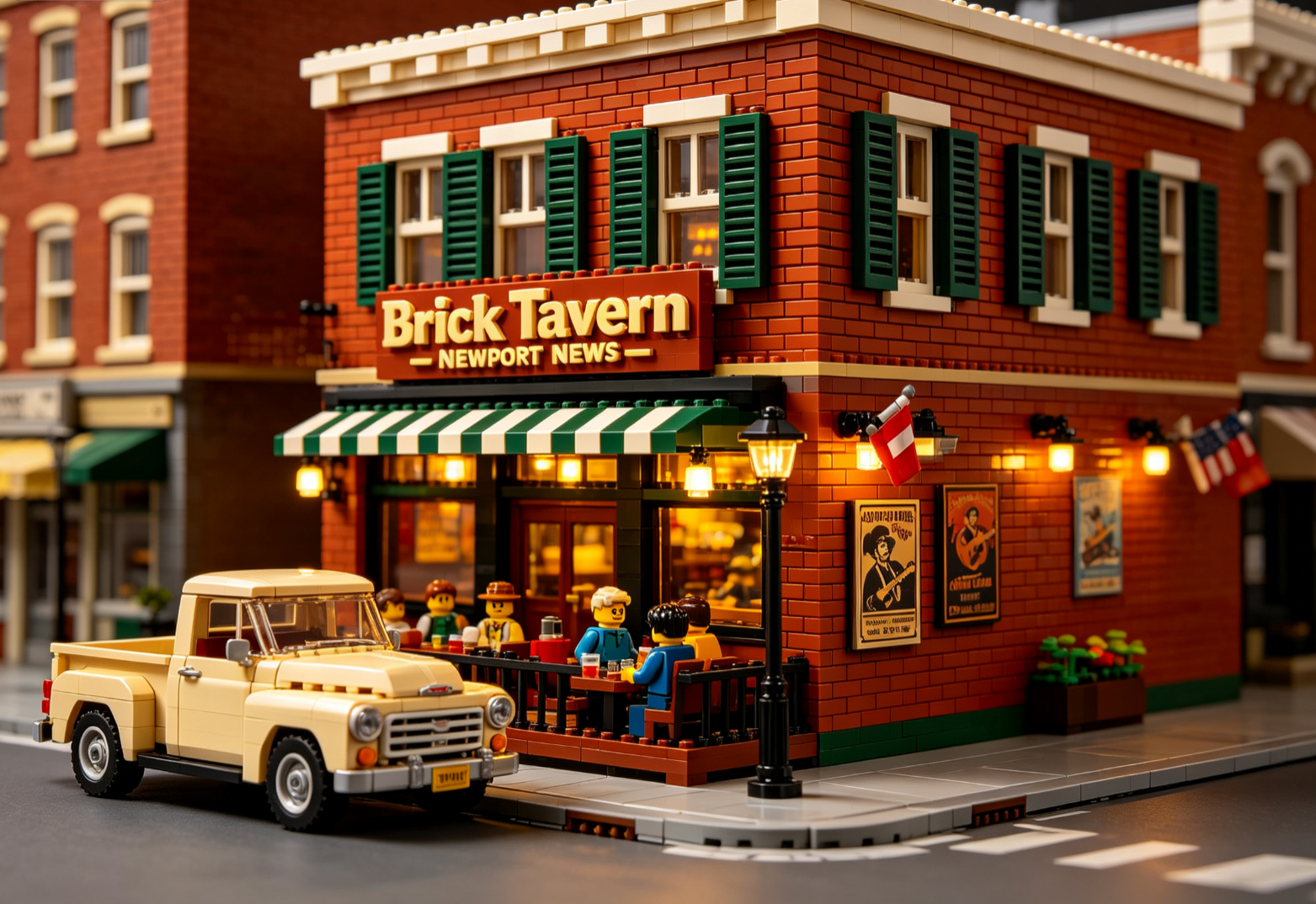
How to Build a Brick Tavern Newport News LEGO Style Masterpiece
Learn how to build a brick tavern newport news lego style model with this step-by-step guide, plus tips on pieces, tools, and customization ideas.