
How to Decode Brick Manufacturing News and Pick Better Sets
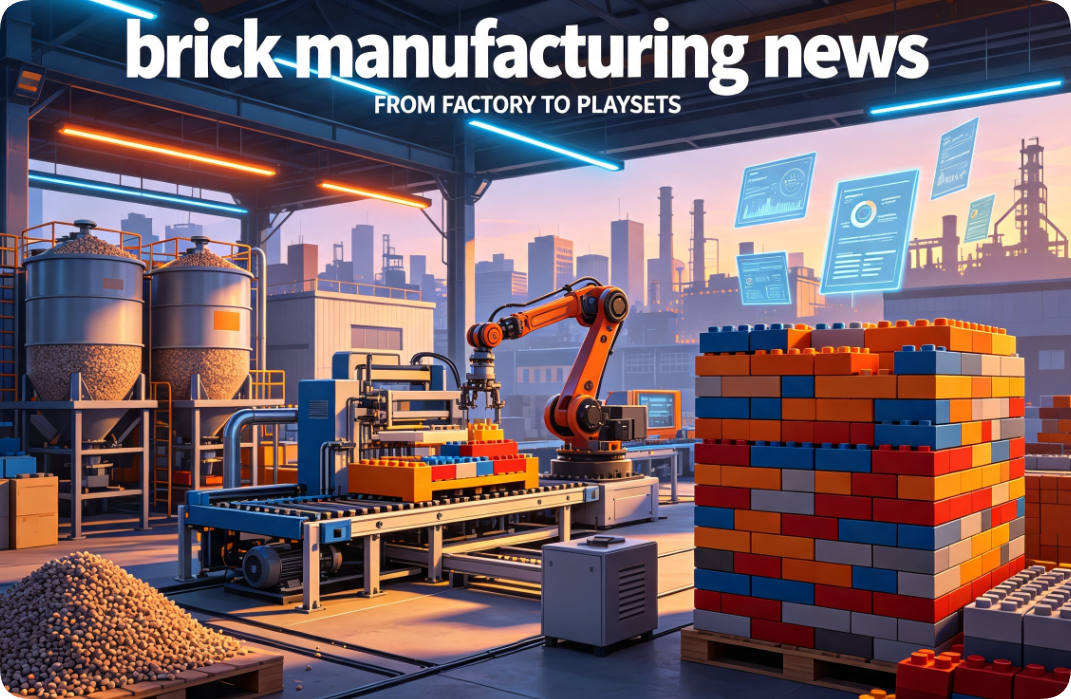
Ever wondered why one brick clicks with a crisp, confident snap while another feels loose and lifeless? The answer lives inside the factory. And the clues are hiding in plain sight.
Manufacturing shapes everything you love about building. Clutch power. Color consistency. That satisfying snap. Even the price on the box. Learn to read the signals, and you'll buy smarter every single time.
This guide hands you that skill. You'll learn how bricks are actually made, why factory news moves quality and pricing, and how to spot the brands worth your money.
Here's what you'll walk away with:
- A plain-English breakdown of how bricks are molded
- The exact quality signals to check before you buy
- A simple way to turn factory headlines into buying wins
Let's crack it open.
Why Manufacturing Knowledge Gives You a Real Edge
Most builders judge a set by its picture. You're about to judge it by its bricks.
That's a superpower. When you understand what happens on the factory floor, you stop guessing. You start knowing. You'll predict which sets snap together beautifully and which ones frustrate you halfway through.
Following brick manufacturing news isn't just for industry insiders. It's for anyone who wants their next build to feel flawless. Factory upgrades, new materials, and tighter production standards all trickle down to the bricks in your hands.
Here's the payoff. Smarter knowledge means smarter spending. You'll dodge sets that disappoint. You'll invest in bricks that last for decades on your shelf. And you'll build with total confidence.
Ready to see how the magic happens? Let's head to the factory floor.
Step 1: Understand How a Brick Is Actually Made
Every great brick starts as tiny plastic pellets. Then precision takes over.
The process is called injection molding. It sounds technical. It's actually simple once you break it down.
The Injection Molding Process, Simplified
Picture it in four quick moves.
- Melt the plastic. Small plastic pellets get heated until they flow like thick honey.
- Inject into molds. Machines force the molten plastic into steel molds shaped like bricks. Immense pressure fills every corner.
- Cool and harden. The plastic sets in seconds, locking in that precise shape.
- Eject and inspect. Finished bricks pop out, ready for quality checks.
That's it. Millions of bricks a day, born from the same clean, repeatable process.
Here's why this matters to you. The quality of the mold, the pressure, and the cooling time all decide how well your bricks fit. A worn mold makes sloppy bricks. A fresh, precise mold makes bricks that snap like a dream.
Why ABS Plastic Rules the Hobby
Most premium bricks use a material called ABS plastic. That stands for Acrylonitrile Butadiene Styrene. Don't worry about the name. Just remember what it does.
ABS is tough. It resists cracking. It holds vibrant color for years without fading. And it keeps its shape through thousands of build-and-rebuild cycles.
Cheaper bricks sometimes swap ABS for lower-grade plastics. They feel lighter. They scratch easily. They can even smell faintly of chemicals. Once you know the difference, you'll feel it instantly in your fingers.
Quick takeaway: Great bricks come from precise molds and high-grade ABS. That combo is your gold standard.
Step 2: Learn Why Tolerances Make or Break a Build
Here's the secret that separates good bricks from great ones. It's called tolerance.
Tolerance is the tiny margin of error allowed in each brick's size. We're talking fractions of a millimeter. Sounds trivial. It's everything.
What Tight Tolerances Feel Like
Tight tolerances mean every brick is nearly identical. They stack straight. They snap firmly. They hold your towering builds together without wobble.
Loose tolerances mean bricks vary in size. Some feel too tight. Others slip loose. Your walls lean. Your models sag. Frustration creeps in.
The best factories chase incredibly tight tolerances, often within 0.01 millimeters. That precision is why premium bricks feel so satisfying to click together.
How to Test Tolerance Yourself
You don't need a lab. You need your hands.
- The snap test. Connect two bricks. A firm, clean click signals good clutch power.
- The stack test. Build a tall column. Does it stand straight and steady? Good tolerance.
- The mix test. Combine bricks from different sets. Do they play nicely together? Consistent tolerance across batches is a mark of quality control.
When manufacturing headlines mention "new precision tooling" or "upgraded quality control," that's tolerance news. And it directly affects the bricks you'll buy next.
Step 3: Connect Factory News to Quality and Price
Now for the real skill. Turning brick manufacturing news into buying wisdom.
Factory changes ripple straight to your shelf. Learn to read them, and you'll always know what's coming.
News That Signals Better Quality
Watch for these headlines. They're green flags.
- New molding technology. Fresh machines usually mean tighter tolerances and crisper bricks.
- Upgraded materials. A switch to higher-grade ABS boosts durability and color richness.
- Expanded quality control. More inspection steps mean fewer flawed bricks in your box.
- New factory openings. Modern plants often launch with the latest precision equipment.
Spot these, and you can buy with confidence. The bricks are likely getting better.
News That Affects Your Wallet
Manufacturing news moves prices too. Here's how.
Raw material costs shift constantly. When plastic prices climb, set prices often follow. When a brand invests in automation, they sometimes pass savings on to you.
Supply chain updates matter as well. A factory expansion can mean more stock and steadier prices. A production slowdown can trigger shortages and price bumps, especially on limited editions.
Here's your move. When you read about rising material costs, buy the set you've been eyeing sooner. When you hear about new capacity coming online, you can wait for better availability.
That's how a headline becomes a smart purchase. You can find fresh sets built to these rising standards over at the BrickHobby shop, where precision and value meet in every box.
Step 4: Evaluate Any Brick Brand Like a Pro
Armed with factory knowledge, you can size up any brand fast. Use this checklist before you spend a dollar.
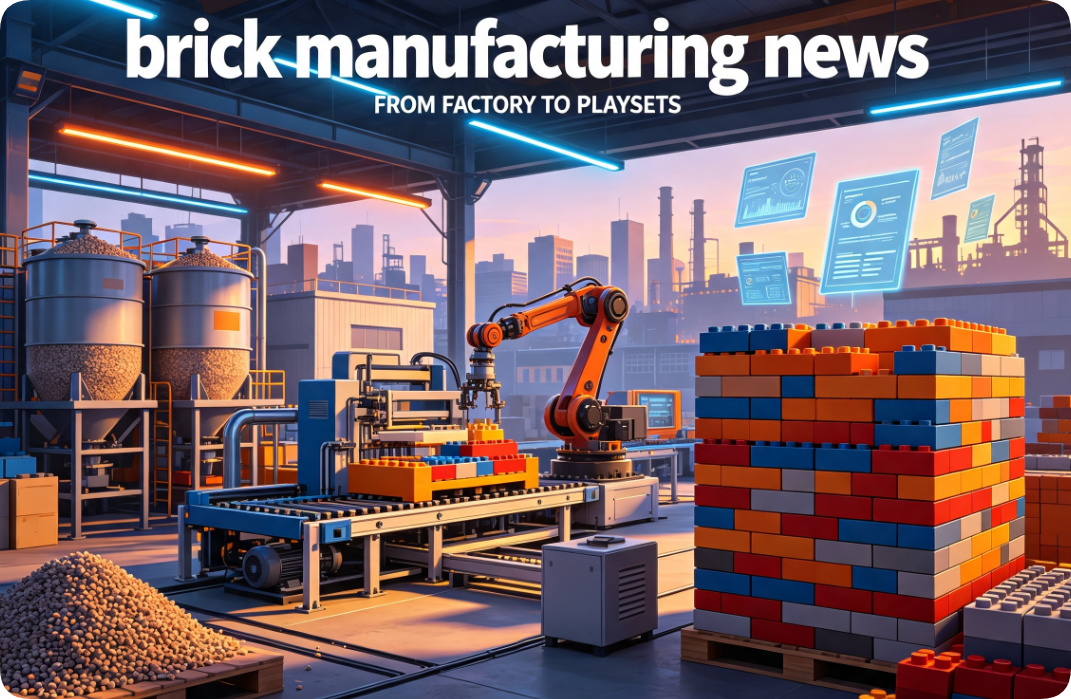
The 6-Point Brand Quality Check
- Material grade. Does the brand use genuine ABS? Premium makers say so proudly.
- Clutch power. Read reviews for words like "firm snap" and "holds tight." That's tolerance talking.
- Color consistency. Do the same colors match across different sets? Consistency signals disciplined manufacturing.
- Piece count and detail. High-piece sets demand tighter production standards to stay stable. Complex builds test a factory's real skill.
- Durability track record. Look for builders who've owned sets for years. Do bricks still snap firmly? Do colors still pop?
- Community reputation. Active forums reveal the truth marketing won't. Real builders share real experiences.
Run any brand through these six points. The strong ones shine. The weak ones crumble fast.
Where to Find Honest Signals
Marketing pages tell one story. Independent voices tell the real one.
Dig into builder forums, review videos, and community galleries. Search for long-term durability reports. Ask direct questions in building groups. The community always knows which bricks earn their price and which don't.
Step 5: Follow Sustainability Trends in Brick Production
The factory floor is going green. And that's great news for builders who care.
Sustainability has become one of the biggest stories in brick manufacturing news. Here's what's changing and why it matters to you.
The Big Shifts Happening Now
- Bio-based plastics. Some makers are testing plant-based materials that perform like traditional ABS but tread lighter on the planet.
- Recycled content. Factories are folding recycled plastics into new bricks without sacrificing quality.
- Cleaner energy. More plants now run on renewable power, shrinking their carbon footprint.
- Reduced packaging. Brands are trimming plastic wrap and switching to recyclable boxes.
Why This Matters to Your Choices
Sustainable manufacturing isn't just feel-good news. It often signals a forward-thinking, well-run company.
Factories investing in green tech usually invest in precision tech too. They tend to care about long-term quality, not quick profits. That mindset shows up in the bricks you hold.
Plus, eco-conscious sets let you build guilt-free. You get the challenge and creativity you crave, plus a lighter impact. Win-win.
Want to know what drives quality and responsibility behind the bricks? Learn the story on the BrickHobby about page. We believe great building and great values belong together.
Step 6: Turn Knowledge Into Smarter Purchases
You've got the factory intel. Now let's spend it wisely.
Here's your action plan for putting it all to work.
Your Smart-Buying Playbook
- Match the set to your skill. New to complex builds? Start with a mid-range piece count from a brand with proven tolerances. Ready for a challenge? Chase the high-piece masterpieces.
- Buy for the long haul. Premium ABS and tight tolerances cost a little more upfront. They reward you with decades of firm snaps and vibrant color.
- Time it with the news. Rising material costs? Buy sooner. New factory capacity? You can wait for stock.
- Prioritize precision for display pieces. Building a showcase model? Tolerance matters most here. A leaning tower ruins the effect.
- Buy for the kids' minds. Choosing STEM sets for young builders? Quality bricks that snap easily keep frustration low and learning high.
A Quick Real-World Scenario
Imagine two sets at similar prices. One brand just announced upgraded molding tech and genuine ABS. The other stays silent on materials, and reviews mention loose bricks.
Now you know exactly which to choose. That's the power of decoding the factory. You buy the winner every time.
If you remember one thing: Great manufacturing equals great building. Follow the factory, and the bricks follow you home.
Mistakes to Avoid When Reading Manufacturing News
Even sharp builders stumble here. Sidestep these traps.
Chasing hype over substance. A flashy announcement means nothing without real quality behind it. Check reviews before you believe the buzz.
Ignoring material details. Never skip the plastic type. ABS versus cheap alternatives is the single biggest quality divide.
Overlooking tolerance clues. Words like "clutch power" and "fit" in reviews are pure gold. Read them closely.
Assuming price equals quality. Sometimes it does. Sometimes it doesn't. Use your checklist, not just the price tag.
Forgetting the community. Real builders test bricks for years. Their verdict beats any marketing claim. Always.
Dodge these, and your buying decisions get sharper with every set.
Conclusion: Build Smarter, Starting Today
You now see bricks the way the pros do. From molten pellets to precise molds, from tolerance to ABS grade, you understand what makes a brick truly great.
That knowledge changes everything. You'll read factory headlines and know exactly what they mean for your next build. You'll evaluate any brand in minutes. And you'll spend your money on bricks that snap firm, hold tight, and shine for years.
The hobby you love is built on precision. Now you're part of that precision too.
Here's your next step. Pick one brand you're curious about. Run it through the 6-point check. Then build your next masterpiece with total confidence. Hungry for more insider guides? Bookmark the BrickHobby blog and keep leveling up.
Frequently Asked Questions
What is ABS plastic, and why does it matter for building bricks?
ABS stands for Acrylonitrile Butadiene Styrene. It's a tough, durable plastic prized for building bricks. It resists cracking, holds vibrant color for years, and keeps its precise shape through countless build-and-rebuild cycles. Premium brands use genuine ABS because it delivers that satisfying snap and long-lasting quality. Cheaper plastics feel lighter, scratch easily, and lose their grip over time. When you're comparing sets, confirming a brand uses real ABS is one of the fastest ways to judge quality before you buy.
How do manufacturing tolerances affect my building experience?
Tolerance is the tiny allowed variation in each brick's size, often measured in fractions of a millimeter. Tight tolerances mean every brick is nearly identical, so they stack straight and snap firmly. Loose tolerances cause uneven fits, wobbly walls, and sagging models. The best factories aim for extremely tight tolerances, which is why premium bricks feel so precise and satisfying. You can test it yourself with a simple snap, stack, and mix check using bricks from different sets.
How can brick manufacturing news help me save money?
Factory news often hints at price shifts before they happen. When you read about rising raw material costs, buying your wanted set sooner can help you beat a price bump. When a brand announces new factory capacity or automation, you might expect better availability or steadier pricing, so waiting can pay off. Following brick manufacturing news turns headlines into timing tools, helping you buy the right set at the right moment without overspending.
Are sustainable bricks as durable as traditional ones?
Increasingly, yes. Many manufacturers now blend recycled content or test plant-based materials engineered to perform like traditional ABS. Leading factories invest heavily to ensure these eco-friendly bricks match the strength, color richness, and clutch power builders expect. Companies pursuing green production often care deeply about precision and long-term quality too, so sustainable choices frequently signal a well-run brand. Always check community reviews to confirm real-world durability before committing to a large or display-worthy build.
How do I evaluate a new brick brand I've never tried?
Run it through a quick 6-point check. Confirm it uses genuine ABS. Read reviews for clutch power and firm snaps. Check color consistency across sets. Consider whether high-piece, complex builds stay stable. Look for long-term durability reports from real owners. Finally, scan community forums for honest reputation signals. Marketing tells one story, but builders who've used the bricks for years tell the truth. This simple checklist reveals strong brands fast and helps you avoid disappointing purchases.
Ready to build this yourself?
BrickHobby sells high-quality LEGO-alternative building block sets — the same brick standard, a fraction of the price. Browse our in-stock sets and simply contact our customer service team to place your order; we will confirm availability, pricing and worldwide shipping for you.
Keep reading
Brick News
Track Brick and LEGO Company News Like a Pro Builder
Learn how to track brick and lego company news, spot trends early, and choose better Lego alternatives like BrickHobby for your next build.
Brick News
How to Follow JT the Brick Lego News and Find Better Alternatives
Learn how to track JT the Brick Lego news, spot building trends, and choose the best Lego alternatives for your next build with this practical guide.
Brick News
How to Follow Lego Brick Manufacturer News and Find the Best Alternatives
Learn how to track lego brick manufacturer news and evaluate alternative brands like BrickHobby before your next build. A practical guide for collectors.