
How to Navigate Brick-and-Mortar Retail News as a LEGO Alternative Collector
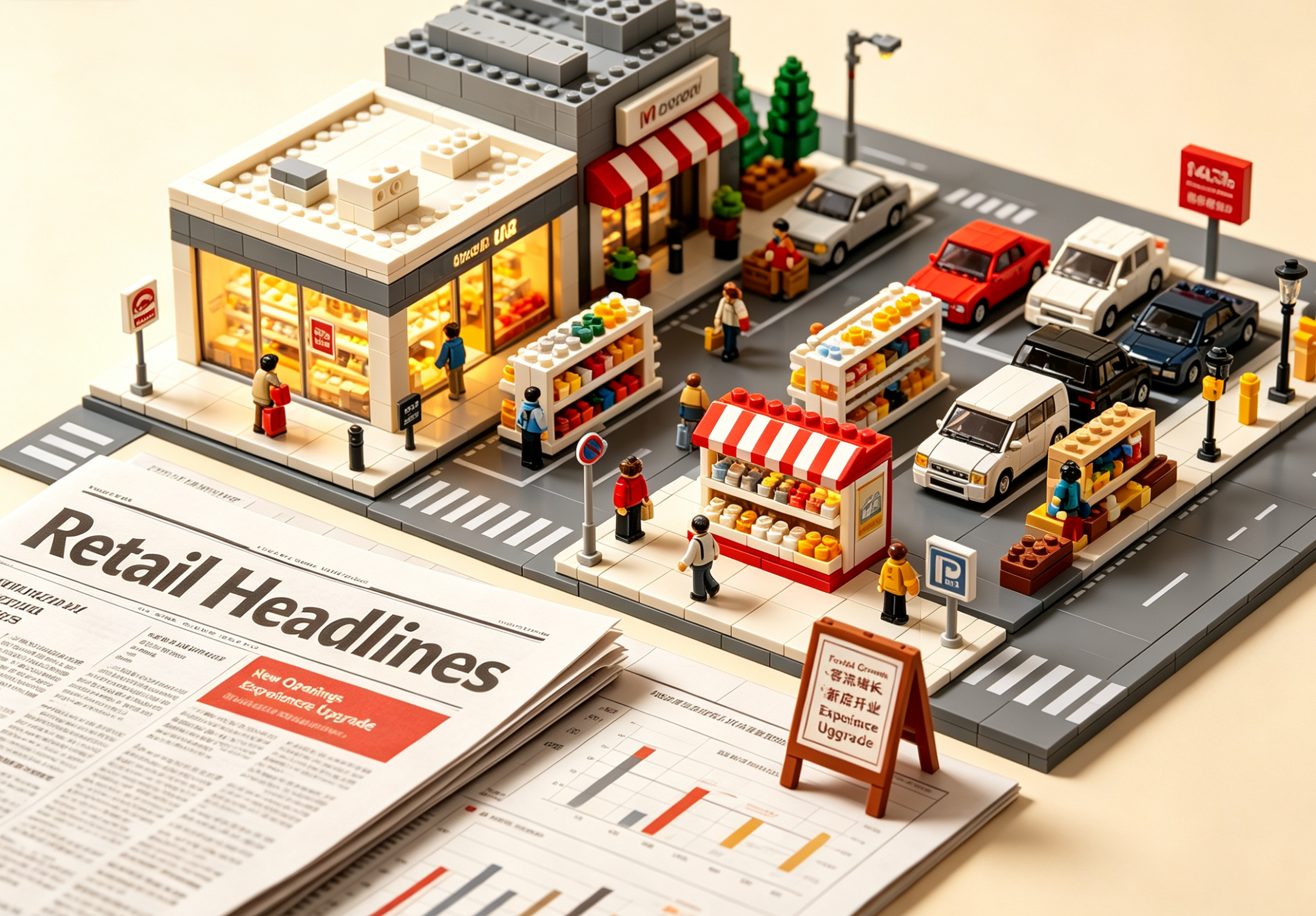
How to Navigate Brick-and-Mortar Retail News as a LEGO Alternative Collector
TL;DR: Tracking brick-and-mortar retail news helps LEGO alternative collectors in the US and Europe time purchases, spot exclusive releases, and avoid paying inflated secondary market prices. This guide covers the best sources, decision frameworks, key brands, and strategies for combining physical and online retail channels to build a smarter, more cost-effective collection.
Retail shelves move fast. A set that's in stock today can be gone within 72 hours—and then reappear on eBay at three times the price a week later. For collectors of LEGO alternatives, staying on top of what's happening across both physical and online retail is a genuine competitive advantage.
This isn't about obsessively refreshing stock pages. It's about building a system—a set of sources, habits, and signals—that keeps you informed without consuming your entire week. The collectors who build the most impressive displays at the lowest cost are usually the ones who treat retail awareness as part of the hobby, not a chore on the side.
This guide covers exactly that: how to find and use brick-and-mortar retail news, how to translate those signals into smarter buying decisions, which brands are worth tracking, and how BrickHobby fits into the broader retail landscape for US and European collectors.
---
Why Brick-and-Mortar Retail News Matters for Hobby Collectors
Physical retail may feel like a secondary concern in an era of direct-to-consumer websites and overnight shipping. For LEGO alternative collectors, that assumption is costly.
Brick-and-mortar stores—toy chains, hobby shops, department stores, and specialist retailers—are often the first point of distribution for major releases. Sets arrive in-store before they appear on major e-commerce platforms. Retailers like Target, Walmart, Smyths Toys (UK/EU), and Saturn (Germany) frequently receive exclusive colorways, bundle variants, or promotional editions tied to seasonal retail periods.
Brick-and-mortar retail news also signals inventory cycles. When a physical retailer begins discounting a set, that typically means one of two things: either stock is being cleared ahead of a new release, or the set has been discontinued. Both scenarios are valuable data points for a collector. The former signals a buying opportunity at reduced price; the latter signals scarcity—and potential appreciation in secondary market value.
For European collectors especially, brick-and-mortar retail patterns differ significantly from the US. German, French, and Benelux retailers often receive Central European exclusives before UK or Scandinavian markets. Following country-specific retail channels—not just pan-European ones—gives a material advantage.
---
How to Find and Follow Brick-and-Mortar Retail News Relevant to LEGO Alternatives
Which sources consistently break retail news first?
The strongest signal sources fall into three categories: community forums, deal aggregators, and brand newsletters.
Community forums and subreddits — r/lego, r/legocompatible, and r/Bricklink are active communities where members post real-time shelf finds, clearance discoveries, and regional stock alerts. For US collectors, these communities frequently surface Target and Walmart clearance events before any official announcement. For European collectors, the Eurobricks forum and local Facebook groups (especially DE, NL, and FR-language groups) track physical retail very closely.
Deal aggregator sites — Sites like BrickEconomy, BrickLink, and Brick Insights aggregate pricing data across secondary and primary markets. When a set's average price on BrickLink begins declining, it often reflects increased physical retail availability. Conversely, a rising average price signals tightening supply—worth noting before a collector hesitates too long on a purchase.
Brand-direct newsletters and social channels — Brands like MOULD KING, CADA, and Xingbao publish release calendars and retail partner updates via their official channels. Subscribing directly ensures you receive distribution news without filtering through third parties.
Google Alerts — Set up alerts for specific brand names, set numbers, or retailer names combined with "restock" or "clearance." This automated approach catches press releases and news articles that community forums may miss.
How should collectors organize this information?
Volume is the problem. The solution is a triage system.
- Tier 1 (Daily): Check your two or three most active community sources. Skim for clearance flags, restock announcements, or new retail partnerships.
- Tier 2 (Weekly): Review price tracking tools like BrickEconomy for sets on your watchlist. Note any significant average price movement.
- Tier 3 (Monthly): Review brand newsletters and check whether retailers in your region have updated their catalog pages for any brands you follow.
This structure keeps you informed without requiring multiple hours per day.
---
How to Use Retail News Signals to Make Smarter Purchasing Decisions
What does a retail clearance event actually mean for collectors?
A clearance event—whether in-store or reflected in falling BrickLink prices—is one of the clearest buy signals available. Retailers clear stock for predictable reasons: seasonal inventory rotation, incoming replacement releases, or distribution changes. None of these factors affect the quality of the set itself.
The typical clearance window for physical retail is 4–8 weeks before shelf space is reassigned. Collectors who monitor brick-and-mortar retail news consistently can often predict when clearance will begin based on retailer patterns (e.g., post-holiday January clearances at Walmart, summer toy rotations at Smyths).
How to distinguish a temporary stock dip from genuine scarcity
Not every "out of stock" signal means a set is gone for good. The distinction matters:
- Temporary stockout: A set is out of stock at one or two retailers but still available through others, and BrickLink pricing remains stable or flat.
- Genuine scarcity: Stock has disappeared across multiple retail channels simultaneously, secondary market prices have risen 20%+ above retail, and the brand's official channel has removed the set from its active catalog.
Genuine scarcity is when collectors who waited too long pay the highest prices. Monitoring retail news reduces the window between "set becomes scarce" and "collector notices."
When is it better to buy online versus in-store?
The answer depends on what you're optimizing for:
- Choose in-store when you want to inspect packaging condition before purchase, when a local retailer has an exclusive or promotional bundle, or when you're close to a clearance event and can act immediately.
- Choose online when you're targeting specific sets with verified stock, when you need to compare pricing across multiple sellers simultaneously, or when the set is unavailable in your region's physical retail.
Platforms like BrickHobby bridge this gap by offering a curated online catalog with EU and US warehouse fulfillment and 48-hour express shipping—useful for sets that have cleared physical retail shelves in your region but remain available through specialist online channels.
---
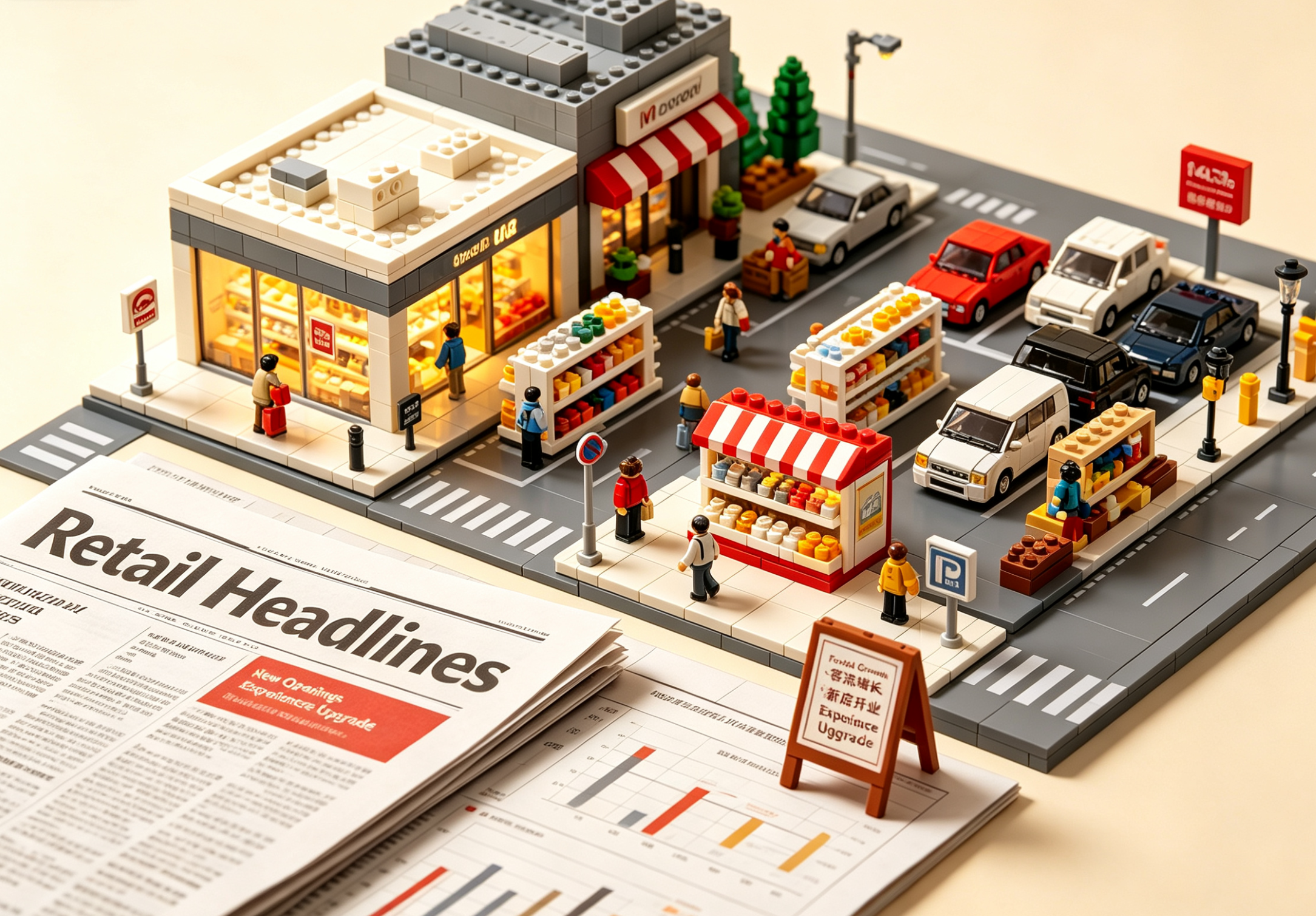
Key LEGO Alternative Brands in Physical and Online Retail
The LEGO alternative market covers a range of brands, each with different retail footprints across the US and Europe.
Which brands have the strongest physical retail presence?
MOULD KING — Available through Amazon US and EU, with select physical presence in hobby shops and specialist toy stores in the UK and Germany. Known for large-scale Technic-compatible sets and architectural models.
CADA — Strong online availability; increasingly stocked in European toy chains, particularly in France and the Netherlands. Specializes in remote control and motion-function sets.
Xingbao — Predominantly online distribution in the US; available in select specialty brick stores in Europe. Focuses on modular buildings and detailed architectural sets.
COBI — One of the stronger physical retail presences among LEGO alternatives in Central and Eastern Europe, particularly Poland, Germany, and Austria. Military and historical vehicle sets are their primary category.
Qizhile / CaDA — Increasingly visible in Amazon warehouses with Prime fulfillment; physical stocking is spotty but growing in the UK market.
Where does BrickHobby fit in the retail landscape?
BrickHobby operates as a specialist online retailer stocking architectural building block sets, including flagship landmark series engineered from photogrammetry scans of real-world structures. Sets range from 320-piece starter builds to 12,000+ piece collector-grade models.
Key retail differentiators worth noting for collectors:
- EU and US warehouse stock — Ships to 40+ countries with 48-hour express dispatch
- Lifetime brick replacement — Missing pieces are replaced free, permanently
- Collector-grade ABS bricks — Tight clutch, fade-resistant color across all sets
- Category breadth — Star Wars, Technic, Harry Potter, Creator 3-in-1, Icons, and architectural landmark series
For US and European collectors, BrickHobby's dual-warehouse model means no customs exposure and no surprise duty charges at delivery—a meaningful advantage when ordering internationally priced sets.
---
Tips for Getting the Most Value from Physical and Online Retail Channels
Build a hybrid retail strategy, not a single-channel one
The collectors who consistently pay the best prices use physical and online retail as complementary tools, not competing ones. Physical retail offers the chance to catch regional clearances, inspect packaging, and occasionally find sets not yet distributed online. Online retail offers comparison pricing, broader selection, and direct-to-door availability.
Practical setup:
- Follow two or three community sources that track physical retail in your region
- Set price alerts on BrickEconomy or Brick Insights for sets on your wishlist
- Check specialist online retailers like BrickHobby monthly for new catalog additions and shipping promotions
- Bookmark your regional retail chains' toy clearance pages (Target Clearance, Smyths Sale, Media Markt Angebote) and check them every 2–3 weeks
Use price history data before committing to a purchase
BrickEconomy and BrickLink both show historical pricing for most LEGO-compatible sets. Before buying at full retail—physical or online—a 30-second check of price history confirms whether you're paying at, above, or below the set's average market price. This habit alone saves collectors significant money over a year.
Time purchases around known retail cycles
US retail follows predictable clearance cycles: post-Christmas (January), back-to-school (August), and Black Friday. European retail patterns vary by country, but most major toy chains run clearance events in January, late summer, and early November ahead of the holiday peak.
Sets released in Q1 or Q2 often hit clearance by late summer. Sets released in Q3 tend to be discounted in January. Collectors who track brick-and-mortar retail news across these cycles can often buy Q1 releases at 30–50% below retail by August.
Don't ignore regional exclusives
US and European markets sometimes receive different variants of the same set, or entirely different exclusive sets from shared brands. German toy retailer exclusives, UK-specific colorways, and US Target exclusives are all documented in collector communities. Following region-specific channels (not just English-language global ones) ensures you don't miss exclusives that don't surface in mainstream hobby news.
---
Build Your Collection Smarter, Not Just Bigger
Retail awareness is a skill. It compounds over time. The first few months of tracking brick-and-mortar retail news feel slow—you're building your source list, learning which signals are noise and which are genuine buying opportunities. By month six, the patterns become clear.
Clearance timing. Scarcity signals. Regional exclusives. Restock windows. These are repeatable, predictable patterns—and every collector who tracks them consistently builds a better collection at lower cost than those who buy reactively.
Start with two or three sources. Set up one price alert. Check one regional retail page. The system scales from there.
For sets not available in your local physical retail, BrickHobby offers a specialist alternative: collector-grade sets, 48-hour worldwide express shipping, and a lifetime brick replacement guarantee.
---
Frequently Asked Questions
What is brick-and-mortar retail news and why does it matter for LEGO alternative collectors?
Brick-and-mortar retail news refers to updates about physical store availability, clearance events, restock announcements, and distribution changes for toy and hobby products. For LEGO alternative collectors, this news matters because physical retailers often stock sets before online platforms, run exclusive promotions, and signal discontinuation through clearance pricing—all of which affect purchasing timing and cost.
Which US and European physical retailers carry LEGO alternative brands?
In the US, Target and Walmart carry selected LEGO-compatible brands. In Europe, Smyths Toys (UK, Ireland), Saturn and MediaMarkt (Germany, Austria), Fnac (France, Spain), and Intertoys (Netherlands) are among the primary physical retail channels for LEGO alternatives. Regional hobby shops and specialist brick stores also stock independent brands like MOULD KING and CADA in many markets.
How do I know when a LEGO alternative set is about to be discontinued?
Key signals include: multiple major retailers moving the set to clearance simultaneously, the brand removing the set from its active online catalog, and secondary market pricing on BrickLink rising above the original retail price. Monitoring community forums like Eurobricks or r/legocompatible typically surfaces these signals 2–4 weeks before a set becomes genuinely scarce.
Are LEGO alternative sets available in physical stores as widely as LEGO itself?
No. Physical retail distribution for LEGO alternatives is significantly narrower than for official LEGO sets. Most LEGO alternative brands rely primarily on Amazon, specialist online retailers, and direct-to-consumer websites. Physical stocking is strongest in Germany, the Netherlands, and the UK in Europe, and through Amazon-fulfilled third-party sellers in the US.
Is it cheaper to buy LEGO alternative sets in-store or online?
It depends on timing. In-store purchases during clearance events can offer 30–50% discounts below retail. Outside of clearance windows, online specialist retailers often match or beat physical retail pricing while offering broader selection and guaranteed stock. For international orders, online retailers with local warehouses—like BrickHobby's EU and US fulfillment centers—eliminate customs and duty fees that can significantly inflate the cost of cross-border physical retail purchases.
Ready to build this yourself?
BrickHobby sells high-quality LEGO-alternative building block sets — the same brick standard, a fraction of the price. Browse our in-stock sets and simply contact our customer service team to place your order; we will confirm availability, pricing and worldwide shipping for you.
Keep reading
Brick News
The Brick LEGO News 2026: Your Complete Guide to Smarter Alternative Builds
Stay ahead of the brick LEGO news 2026 with this guide to trending sets, alternative bricks, and smarter building strategies from BrickHobby.
Brick News
How to Track Brick Supply News LEGO Builders Actually Trust
Learn how to find and evaluate brick supply news for LEGO alternative sets, from reliable sources to step-by-step supplier sourcing tips.
Brick News
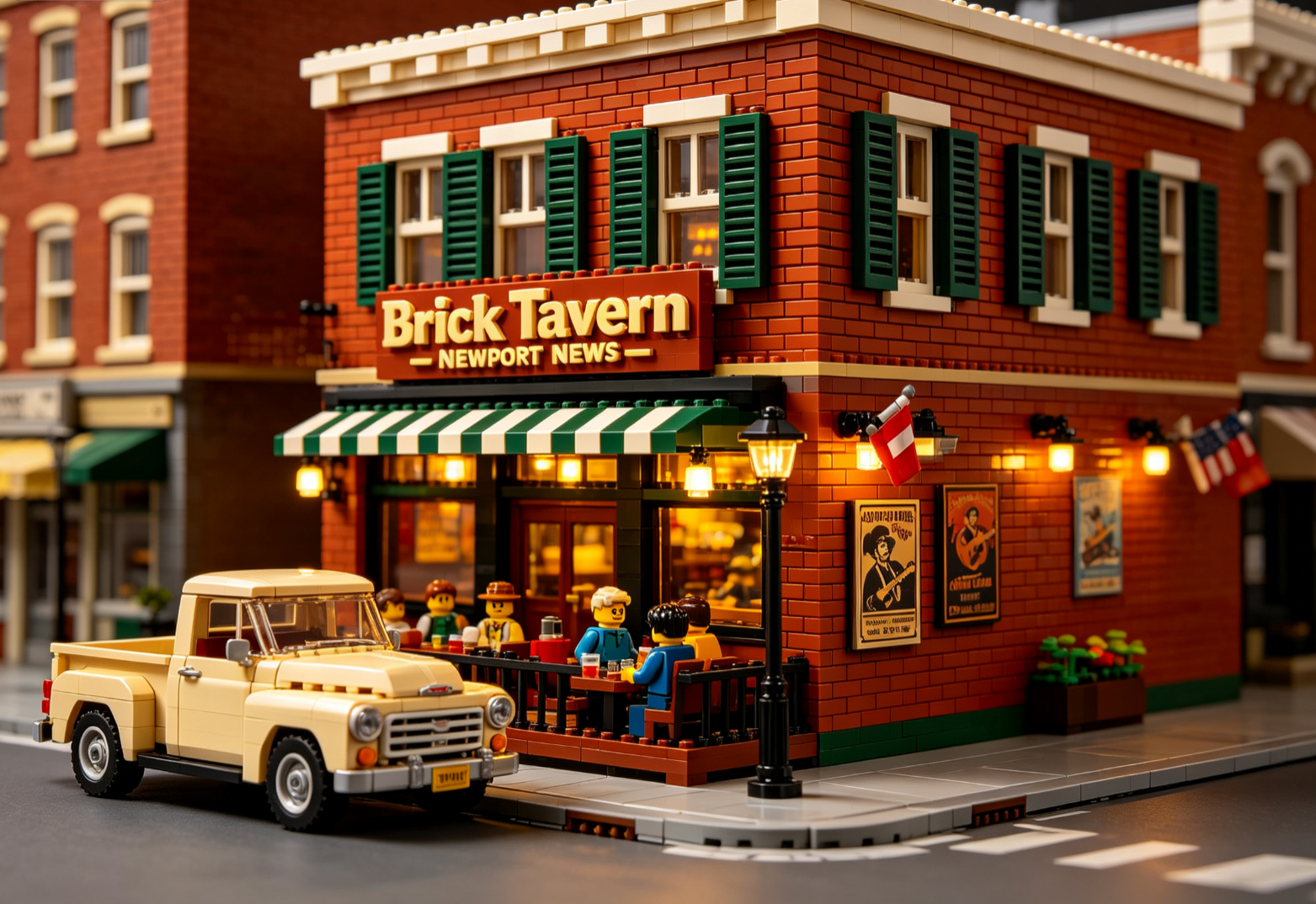
How to Build a Brick Tavern Newport News LEGO Style Masterpiece
Learn how to build a brick tavern newport news lego style model with this step-by-step guide, plus tips on pieces, tools, and customization ideas.