
How to Build a Brick Facade: A LEGO-Style Guide for Collectors
How to Build a Brick Facade: A LEGO-Style Guide for Collectors
Quick answer: A brick facade is a LEGO-style wall section that mimics the exterior of a real building — brickwork, windows, trim, and all. To build one, plan your design, pick the right bricks for scale and compatibility, lay a solid base layer, add texture with offset courses and accent pieces, then finish with window frames, signage, or greenery. BrickHobby's architecture sets are built for exactly this kind of project.
Brick facades have become one of the most popular builds in the hobbyist brick community, and it's easy to see why. They let you recreate a storefront, a townhouse, or a slice of a city skyline without committing to a full-scale architectural model. You get all the satisfaction of detailed brickwork — the texture, the color blocking, the tiny structural choices — in a project you can finish over a weekend.
This guide walks through everything you need to build your first (or fiftieth) brick facade, from tools and materials to a full step-by-step process. We'll also cover the finishing touches that separate a flat wall from a facade that looks ready to photograph. If you're the type of builder who checks brick facade lego news before placing an order, this guide gives you the foundational technique to put those releases to good use.
Whether you're working from an official set or designing your own from scratch, the principles here apply across brands and scales. Let's get into it.
What Is a Brick Facade in LEGO-Style Building?
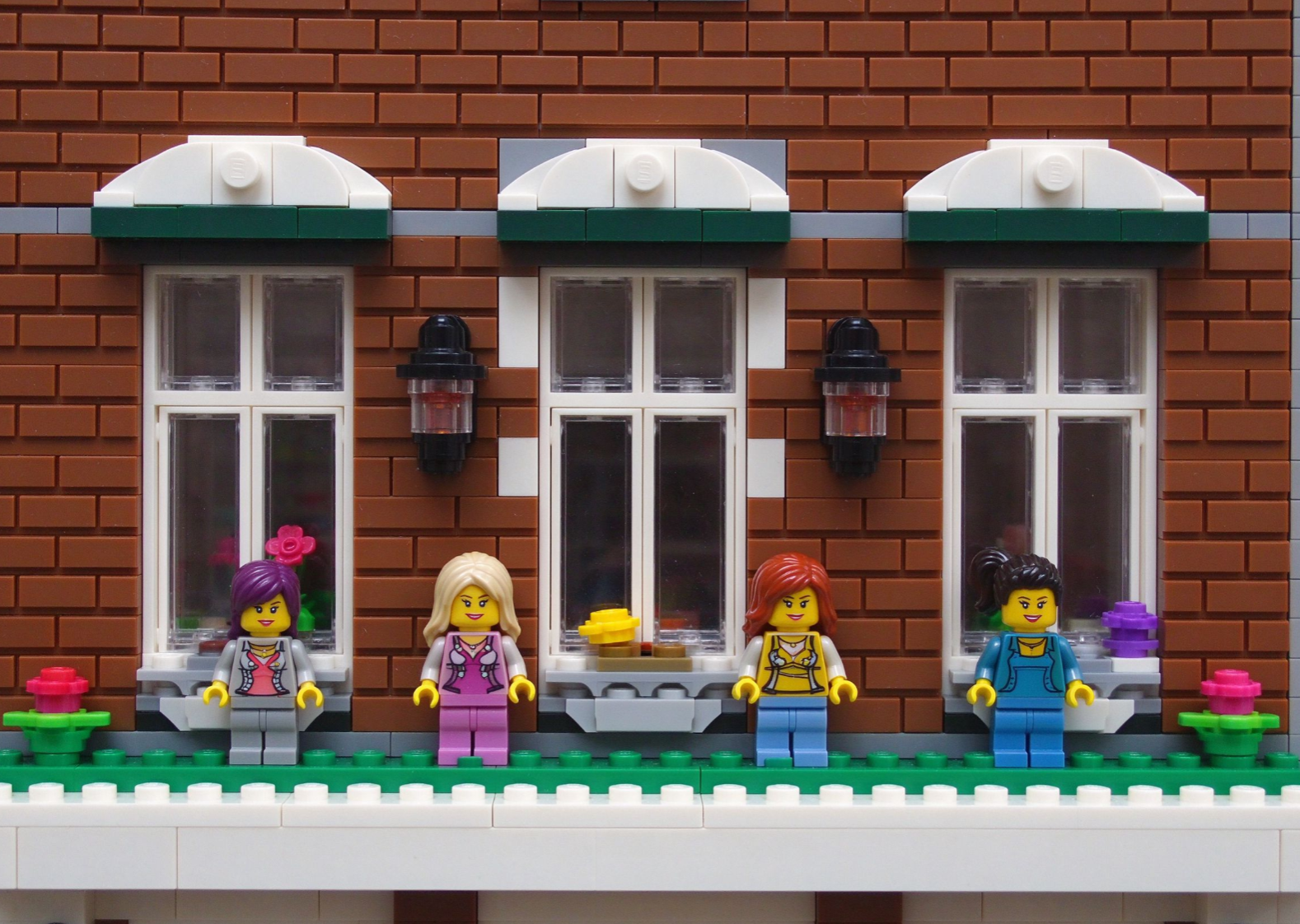
A brick facade, in the context of LEGO-style building, is a flat or semi-flat panel designed to represent the front (or side) of a building. Unlike a full 3D model, a facade focuses entirely on the exterior wall — the brickwork pattern, window placement, door framing, and roofline details that give a structure its character.
Facades are a staple of modular building sets. City skyline collections, street-view dioramas, and shelf-display architecture kits almost always rely on facade construction, because it lets designers pack maximum visual detail into a manageable footprint. A facade panel might be eight studs wide and thirty bricks tall, yet still communicate "Parisian townhouse" or "New York brownstone" at a glance.
For collectors and creators, facades are appealing for three reasons:
- They're fast to build. A single facade panel can be completed in an afternoon, compared to days for a full structure.
- They're display-friendly. Facades mount flat against a wall or stand upright on a shelf, so they don't need the floor space a full building does.
- They're endlessly customizable. Swap window styles, brick colors, or trim pieces, and you've got a completely different building.
If you've browsed any brick facade lego news roundup recently, you've probably noticed how many new releases lean into this format — modular buildings, corner shops, and townhouse rows are everywhere. That's because facades reward precision and creativity without requiring an engineering degree.
Tools and Materials You'll Need
Before you start building, gather the right supplies. A brick facade project doesn't require anything exotic, but having these on hand will save you time and frustration.
Core materials:
- Base plates: A flat base plate (or several connected ones) gives your facade a stable foundation and a clean mounting surface.
- Standard bricks: 1x1, 1x2, 1x4, and 2x4 bricks form the bulk of any wall. Stock up on neutral tones like tan, dark red, and gray for classic brick coloring.
- Plates and tiles: These create the thin horizontal lines that read as mortar joints or trim detailing.
- Window and door elements: Purpose-built window frames save enormous amounts of time compared to building openings brick by brick.
- Slopes and arches: Useful for rooflines, awnings, and decorative arching over doorways or windows.
- Accent pieces: Flowers, lamps, signage, and ivy elements add the small details that make a facade feel lived-in.
Tools:
- A brick separator makes disassembly and adjustments far easier on your fingers.
- A sorting tray keeps colors and shapes organized, especially helpful if you're pulling from a mixed bulk bin.
- Reference photos of real buildings (or digital building instructions) help keep your proportions realistic.
If you're building with BrickHobby's architecture sets, you'll already have most of these elements pre-sorted and numbered, which speeds up the planning stage considerably.
How Do You Build a Brick Facade Step by Step?
Here's the process broken into five manageable stages. Follow them in order, and you'll avoid the most common mistakes first-time facade builders run into.
Step 1: Plan Your Design
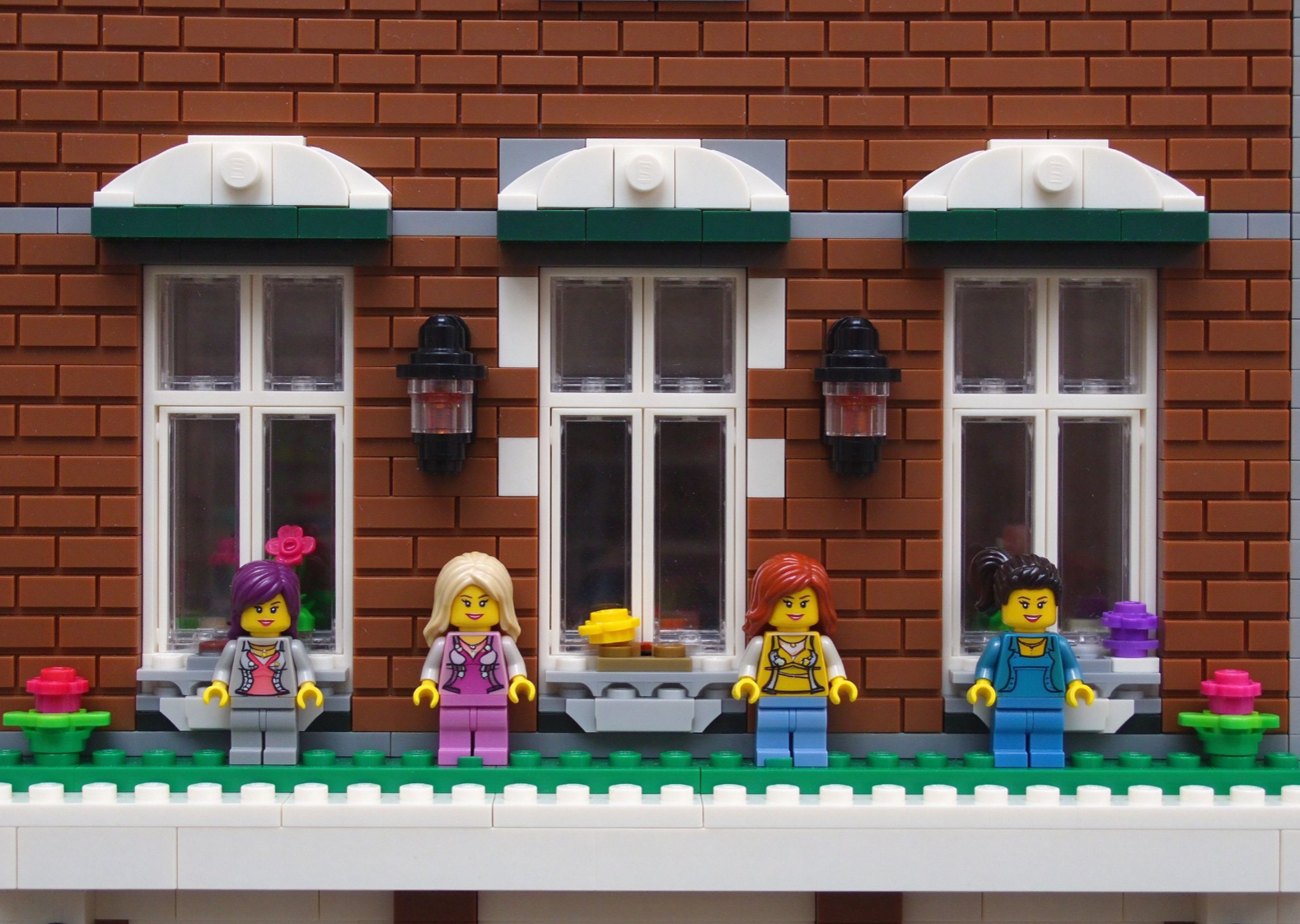
Start with a sketch or reference image. Decide on the building style — Victorian townhouse, modern storefront, rustic cottage — before you touch a single brick. Note the width and height in studs, and mark where windows, doors, and rooflines will sit.
Planning also means deciding on scale. A facade built at minifigure scale (where a door is roughly four studs wide) will look and build very differently than one built at a larger display scale. Pick one and stay consistent throughout, or your proportions will feel off once the piece is finished.
Step 2: Choose the Right Bricks
Color consistency matters more in facade building than almost any other project type. Real brickwork isn't a single flat color — it includes variation between tan, reddish-brown, and dark red tones. Mixing two or three complementary brick colors in an irregular pattern mimics this natural variation far better than a single uniform color.
Compatibility matters too. If you're combining pieces from multiple brands, confirm clutch power and stud dimensions match before committing to a full wall. BrickHobby bricks are engineered for tight clutch and standard stud spacing, so they integrate cleanly with most other brick systems on the market — useful if you're supplementing an existing collection.
Step 3: Build the Base Layer
Lay your foundation using a base plate, then build the first few rows of brick in a straightforward, uninterrupted pattern. This base layer establishes your wall's width and anchors everything that follows. Keep it simple here — the goal is structural stability, not detail.
Offset your brick seams as you go, the same way a real bricklayer staggers joints for strength. In LEGO-style building, this also happens to look more realistic than stacking bricks in perfectly aligned columns.
Step 4: Add Texture and Depth
This is where a flat wall becomes a facade. Use plates and tiles to create subtle ridges and recesses. Jut certain brick courses out by half a stud using jumper plates, or inset a section to suggest a window ledge or decorative band.
Window and door openings should be framed, not just left as gaps. Build a small lip of trim around each opening using tiles or thin plates — this single step does more for realism than almost anything else in the process.
Step 5: Finishing Details
Finish with the small elements that sell the illusion: shutters, awnings, flower boxes, hanging signage, or a bit of ivy climbing one corner. Rooflines benefit from slope bricks or arch pieces rather than a flat top edge. If your facade will sit on a shelf rather than mount to a wall, add a short support structure on the back to keep it standing upright.
Step back and compare your finished piece to your original reference. Small adjustments at this stage — a different window color, an extra row of trim — often make the biggest visual difference.
What Tips Help You Get the Best Results on a Brick Facade Build?
A few habits separate average facades from genuinely impressive ones:
- Vary your brick color by row, not randomly. Real brick patterns shift gradually. Cluster similar tones together rather than scattering them evenly.
- Use plates to break up large brick sections. Long, uninterrupted brick columns read as flat and artificial. Horizontal plate rows add visual rhythm.
- Build windows before you wall around them. It's far easier to frame a pre-built window module than to carve an opening out of finished brickwork.
- Keep a parts inventory. Following brick facade lego news and new set releases regularly will tell you which upcoming sets include the window frames, arches, or color-specific bricks your project needs.
- Don't skip the back. Even a facade meant for wall-mounting benefits from a few cross-braces for stability, especially if it's tall or wide.
Why Choose BrickHobby for Your Brick Facade Build?
Not every brick brand is built with architecture in mind. BrickHobby designs its architecture sets from photogrammetry scans of real landmarks, which means the brick patterns, window proportions, and roofline details are modeled on actual buildings — not approximated by eye. That accuracy translates directly into facade projects, whether you're building straight from a set or pulling individual elements into your own custom design.
BrickHobby's collector-grade ABS bricks hold a tight clutch and resist color fading over time, which matters for a facade piece meant to sit on display for years. Sets ship from EU and US warehouses within 48 hours, and every set comes with a lifetime brick promise: lose a piece mid-build, and BrickHobby replaces it free.
For builders who want to stay ahead of new releases — especially anyone tracking brick facade lego news for upcoming architecture drops — BrickHobby's flagship landmark series and World Landmark Collection are worth watching. New sets regularly introduce fresh brick colors, window styles, and trim pieces that expand what's possible in a custom facade build.
Start Your Next Facade Build Today
Brick facade building rewards patience and a good eye for detail, but it's one of the most approachable projects in the hobby. Start small — a single storefront or townhouse panel — before attempting a full street row. Each build teaches you something about color blending, proportion, and texture that makes the next one better.
If you're ready to put these steps into practice, browse BrickHobby's architecture collection for brick sets, window elements, and accent pieces designed specifically for facade-style builds.
Frequently Asked Questions
What's the difference between a brick facade and a full building model?\
A brick facade focuses only on the exterior wall of a structure — brickwork, windows, doors, and rooflines — while a full building model includes interior rooms, a roof, and complete structural depth. Facades are faster to build and easier to display, since they mount flat or stand upright without needing floor space.
Do I need official LEGO bricks to build a facade, or will compatible bricks work?\
Compatible bricks work fine, as long as stud spacing and clutch power match standard specifications. BrickHobby bricks, for example, are built to standard stud dimensions, so they connect cleanly with most other brick-building systems on the market.
How many bricks does a typical facade project require?\
It depends on scale, but a minifigure-scale townhouse facade (roughly 16 studs wide and 30 rows tall) typically uses between 300 and 600 pieces, including base plates, structural bricks, trim, and accent elements.
What's the easiest way to keep brick colors looking realistic?\
Mix two or three complementary brick tones — such as tan, reddish-brown, and dark red — rather than building with a single uniform color. Cluster similar tones together by row to mimic the natural variation seen in real brickwork.
How can I keep up with new brick colors and sets for facade building?\
Following regular brick facade lego news updates and new release announcements is the simplest way to catch sets that include useful trim pieces, window frames, or brick colors before they sell out.
Ready to build this yourself?
BrickHobby sells high-quality LEGO-alternative building block sets — the same brick standard, a fraction of the price. Browse our in-stock sets and simply contact our customer service team to place your order; we will confirm availability, pricing and worldwide shipping for you.
Keep reading
2026 Buying Guides
How to Build a LEGO Brick House Tavern Newport News Style
Learn how to build a lego brick house tavern Newport News style with this step-by-step guide covering walls, roofing, and BrickHobby brick sourcing.

2026 Buying Guides
How to Track Lego Smart Brick News 2026 and Find the Best Alternatives
rack lego smart brick news 2026, evaluate top LEGO alternatives, and choose the right set with this practical, step-by-step builder's guide.
2026 Buying Guides
Brick Church Pike LEGO News: A Builder's Guide to Alternatives
Track brick church pike lego news and discover compatible LEGO alternatives from BrickHobby — shipped within 48 hours across the US and EU.