How to Track Breaking News Brick LEGO Updates and Build Smarter
How to Track Breaking News Brick LEGO Updates and Build Smarter
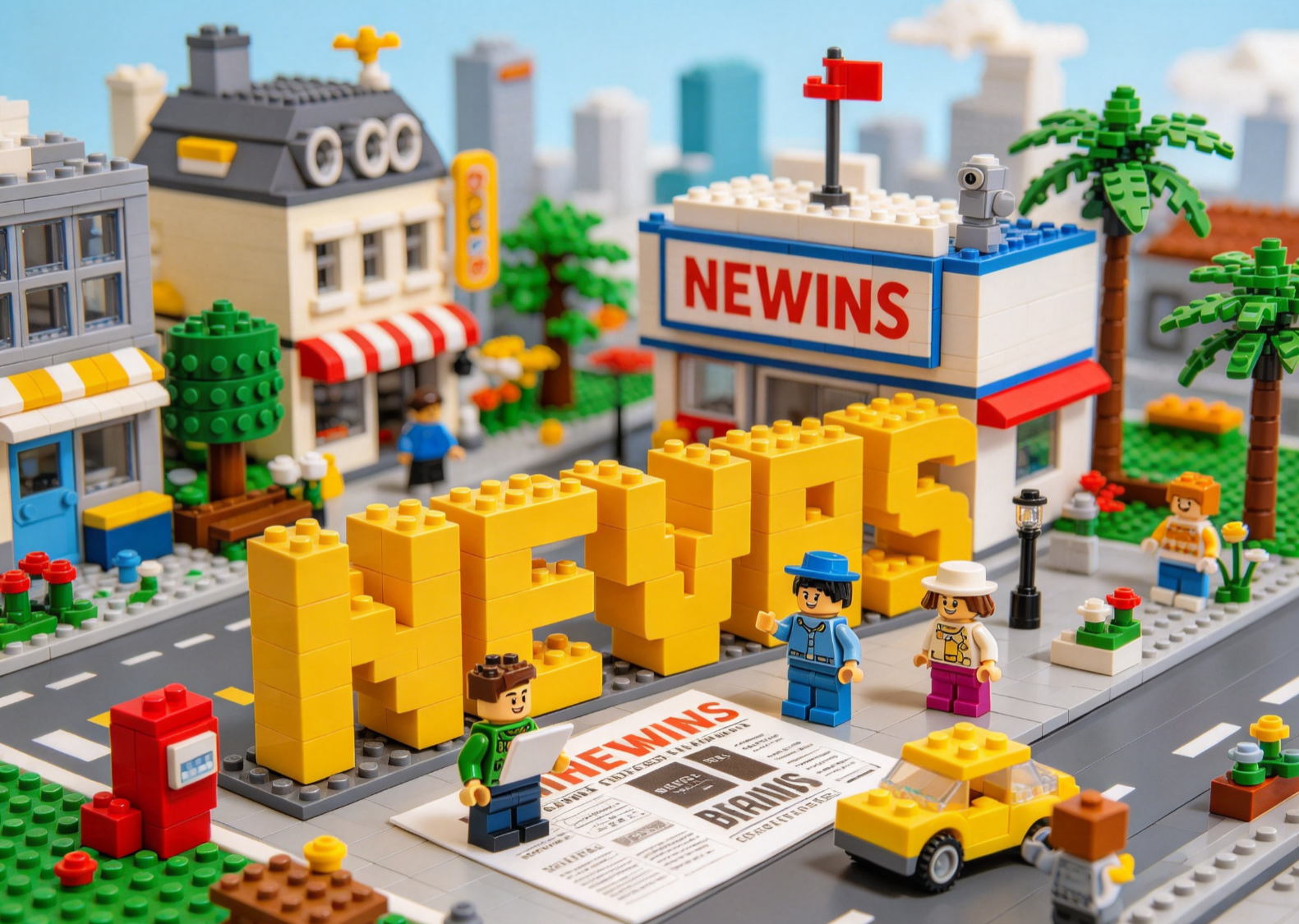
A new set gets announced on a Tuesday. By Wednesday, the images are everywhere, the price is being argued about, and half the forum wants to know if there's a cheaper way to build it. By Friday, you've either placed an order, talked yourself out of it, or started planning your own version. That cycle repeats dozens of times a year.
Following breaking news brick lego updates used to be a side hobby for hardcore fans. Now it shapes almost every buying decision. Release dates, retirement rumors, price changes, and new alternative brands all show up in the same news feed. Without a system, you either miss the good stuff or drown in noise.
This guide covers:
- How to set up a news routine that takes 10 minutes a day, not two hours
- How to judge LEGO alternatives when a new set drops
- How to turn fresh news into your own build ideas
- How to get involved in the builder community without burning out
It works whether you're an adult builder with a display shelf, a parent looking for weekend projects, a collector watching retirement dates, or a creator designing your own models.
Why Brick News Moves So Fast Now
Ten years ago, most brick news came from a few fan blogs and the occasional catalog leak. Today, news comes from everywhere. Official press releases, retailer listings, social media teasers, patent filings, and alternative brands running their own launch calendars.
There are three main reasons for the speed:
More brands, more launches. The basic interlocking brick design has been open to other manufacturers for decades. Alternative brands now release technical cars, modular buildings, botanicals, and licensed-style themes on their own schedules. More brands means more news.
Adult builders drive demand. A large share of the hobby is now adults buying large, detailed sets for display. Adults research before they buy. They compare. That creates demand for fast, detailed coverage.
Retirement cycles matter. Sets don't stay on shelves forever. Once a set retires, prices on the secondary market can climb quickly. Collectors track retirement news the way investors track earnings reports.
Key takeaway: the news isn't slowing down. You need a filter, not more sources.
How to Build a Breaking News Brick LEGO Routine
A good routine is short, repeatable, and hard to skip. Here's a setup that works for most builders.
Step 1: Pick Three Sources, Not Ten
Choose one source from each category:
- A set news site for official announcements and reviews (Brickset, Brick Fanatics, or The Brick Fan are solid starting points)
- A community forum for real-world opinions (Reddit's r/lego or r/legodeal, or a regional forum like Eurobricks for European builders)
- A brand source for the alternatives you actually buy from (brand newsletters and product pages)
Three sources cover about 90% of what matters. Adding more usually means reading the same story five times.
Step 2: Automate the Boring Part
Don't check sites manually. Set up alerts instead.
- Google Alerts: Create alerts for set names, themes you collect, and terms like "set retirement" or "new modular." Set delivery to once a day.
- RSS reader: Tools like Feedly or Inoreader pull every new post from your chosen sites into one list. Skim headlines, open only what matters.
- Newsletter folder: Route brand emails into a separate inbox folder. Check it once a week unless you're waiting on a specific launch.
Ten minutes with your coffee is enough.
Step 3: Learn the Release Calendar
Most major brick releases follow a predictable rhythm:
| Period | What Usually Happens |
|---|---|
| January | Big wave of new sets across most themes |
| Spring | Mid-season additions, early summer teasers |
| June | Second major wave of releases |
| August–September | Adult-focused and large display sets |
| October–November | Holiday sets and gift bundles |
| December | Retirement lists firm up for the new year |
Alternative brands don't always follow this schedule, which is useful. They often launch in the gaps, especially in spring and early autumn. Watching both calendars gives you more choices and better timing.
Step 4: Separate Rumor from Confirmed
This step saves money. A lot of brick news starts as a rumor: a blurry photo, a retailer database entry, or a forum post from someone who "knows someone."
Use a simple three-label system:
- Rumor: Single source, no images, no official statement. Note it. Don't act on it.
- Likely: Multiple independent sources, retailer listings, or clear images. Start planning.
- Confirmed: Official announcement with price and date. Make your decision.
Reader checkpoint: if you're pre-ordering based on rumors and getting burned on price, you're skipping this step.
How to Choose LEGO Alternatives When New Sets Drop
Here's a common scenario. A big display set is announced. The design looks great, but the price is steep. Within days, builders start asking what the alternatives are. Some want a similar theme. Others want more pieces for the same money. Some want a design the official brand will never make.
This is where quality alternatives come in. Brands like BrickHobby exist for builders who want detailed, challenging models without paying premium licensing prices. But not every alternative is equal. Here's how to judge one.
Check Clutch Power
Clutch power is how firmly two bricks hold together. Too loose, and your model sags or falls apart when you pick it up. Too tight, and separating pieces hurts your fingers and chews up your brick separator.
Look for reviews that mention clutch specifically. Good alternatives use ABS plastic (the same type of material used in most premium bricks) and precise molds that keep tolerances tight.
Check Color Consistency
This matters more than people think. If one batch of dark gray is slightly bluer than another, a large build will look patchy. Collectors and display builders notice this right away.
Ask the community. Builders will happily post close-up photos showing color matching across bags.
Check the Instructions
Complex models live or die on instructions. Look for:
- Clear step numbering
- Parts callouts for every step
- Good color contrast between similar shades (black vs. dark gray is the classic problem)
- Sub-assembly callouts for larger builds
Some brands now offer digital instructions with zoom and rotation. That's a big help on sets with 3,000+ pieces.
Check Compatibility
Most quality alternative bricks are compatible with standard bricks. That matters if you already have a collection and want to mix parts for custom builds. Test a few pieces from a new brand against your existing bricks before committing to a large set.
Check the Missing Parts Policy
Missing pieces happen with every brand. What matters is the fix. Look for a clear, stated policy. Something like "free replacement of missing or broken pieces" is what you want to see, stated plainly on the product page.
Quick Comparison Checklist
| Factor | What Good Looks Like |
|---|---|
| Material | ABS plastic |
| Clutch | Firm, consistent, easy to separate with a tool |
| Color | Matches across bags and batches |
| Instructions | Clear callouts, good color contrast |
| Compatibility | Works with standard bricks |
| Support | Free missing-piece replacement |
| Piece count | Accurate and listed on the box |
Key takeaway: price is only one part of value. A cheap set with loose clutch and bad instructions costs you more in frustration than it saves in money.
How to Turn News into Your Own Build Ideas
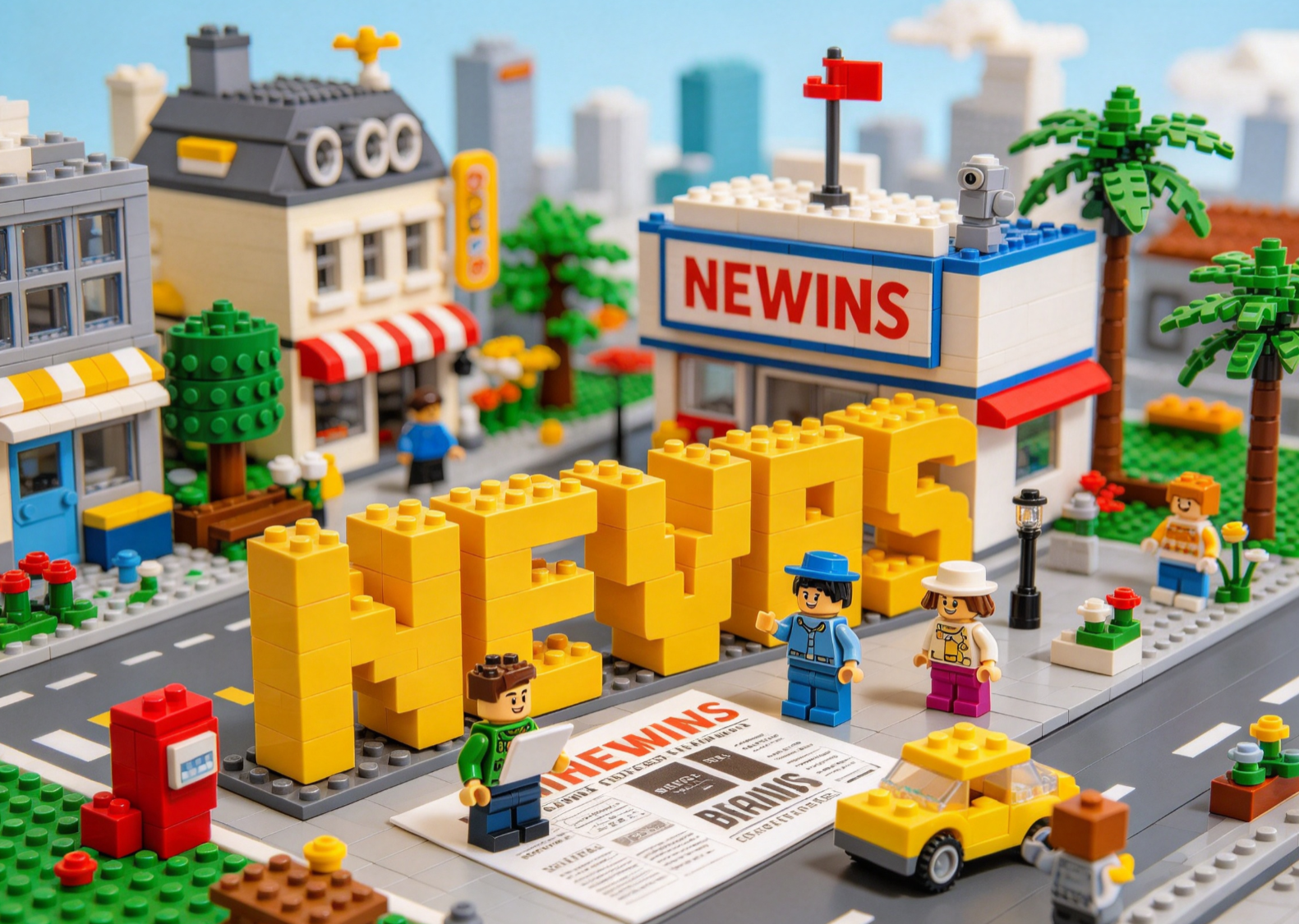
Here's where the news becomes useful for creators. Every new set announcement is a free design lesson. You don't have to buy it to learn from it.
Study the Techniques in Official Images
When a new set is revealed, zoom into the promo images. Look for:
- SNOT techniques (Studs Not On Top): bricks mounted sideways or upside down to create smooth surfaces and odd angles
- Greebling: small, detailed parts added to surfaces to make them look more complex (common on sci-fi builds)
- Parts used in unusual ways: a hot dog piece used as a pipe, a minifigure accessory used as a railing
Save these images in a folder labeled by technique. After a few months, you'll have your own reference library.
Rebuild Retired Sets Your Way
When retirement news breaks, prices on old sets often jump. Instead of paying secondary market prices, some builders recreate the model using their own parts or alternative bricks. Sites like Rebrickable list parts inventories for thousands of sets, which makes this much easier.
This is also a great way to learn. Rebuilding a set from a parts list, without step-by-step instructions, forces you to understand how the structure actually works.
Use Digital Design Tools First
Before you buy parts for a custom build, design it digitally. BrickLink Studio is free and lets you:
- Build in 3D with a full parts library
- Check stability and part connections
- Generate your own instructions
- Export a parts list for ordering
Designing first saves you from buying 200 pieces you won't use.
Try a "News Challenge"
This is a fun one. When a new set is announced, give yourself one week to build your own version using only parts you already own. No buying. It forces creative substitutions and often produces better ideas than the original.
Many online builder groups run informal versions of this challenge. Post your result, compare with others, and see how different builders solve the same problem.
How to Get Involved in the Builder Community
Following news alone gets lonely. The real value of the hobby shows up when you share builds, trade tips, and learn from people who've solved the problems you're stuck on.
Start with One Platform
Pick the platform that matches how you like to communicate:
- Reddit: Great for discussion, questions, and honest reviews
- Instagram: Best for showcasing finished builds and following designers
- Flickr: Still popular with serious MOC (My Own Creation) builders for high-quality photos
- Discord: Real-time chat, good for collaborative projects
- Facebook Groups: Strong for local and regional communities, especially in the UK and Europe
Post consistently for a month before judging whether it's working.
Join Local Groups (LUGs)
A LUG is a LEGO User Group, a local club of adult builders. Most major cities in the US, UK, and Europe have one. They meet regularly, run public displays, and often collaborate on large layouts like city scenes or train setups.
Many LUGs welcome builders using any compatible brick, especially for large collaborative builds where parts volume matters more than brand.
Enter Contests
Contests are the fastest way to improve. A deadline and a theme push you to finish projects instead of leaving them half-built on your desk. Many brands and communities run seasonal contests with prizes. Watch your news feeds for contest announcements. They often come with themed set releases.
Share Your Process, Not Just the Result
Finished photos get likes. Process photos get conversations. Show the failed first attempt, the internal frame, the parts you swapped out. Builders learn from process shots, and they'll remember you for it.
How to Use Brick News with Your Kids
Families get a lot out of this hobby, and brick news can actually help. A new set announcement is an easy way to start a project with your kids.
Turn Announcements into STEM Prompts
When a new vehicle or building set is revealed, ask your kids simple questions:
- "How do you think the wheels turn?"
- "What would happen if we made the tower taller?"
- "How could we make this bridge hold more weight?"
Then build and test. This is basic engineering thinking: form an idea, build it, test it, fix it. Kids learn more from a collapsed bridge than a perfect one.
Match Complexity to Age
Not every set suits every kid. A rough guide:
| Age | Good Fit |
|---|---|
| 5–7 | Small sets under 300 pieces, bright colors, simple builds |
| 8–10 | Sets with 300–800 pieces, simple mechanisms |
| 11–14 | Technical builds, gears, motors, 1,000+ pieces |
Don't dismiss smaller sets. A 200-piece build finished together beats a 2,000-piece build abandoned on the kitchen table.
Split the Build
For larger sets, divide the work. Kids sort parts and build sub-assemblies. Adults handle the tricky connections. Everyone gets a win, and the model gets finished. BrickHobby sets with numbered bags make this easy since each bag becomes its own mini project.
Build and learn together. That's the whole point.
Common Mistakes to Avoid
Even experienced builders fall into these traps.
Buying on hype. A new set looks amazing in promo photos. Wait for real reviews and builder photos before ordering. Promo images are lit and shot by professionals.
Following too many sources. More sources doesn't mean better information. It means more duplicates and more time wasted.
Ignoring alternatives entirely. Some builders only look at one brand out of habit. You miss designs and themes that might suit you better.
Skipping part inventory checks. Before starting a custom build, check what you already have. Sorting your collection by color and type saves hours later.
Rushing large builds. A 4,000-piece model is a marathon. Build in sessions. Take breaks. Your eyes and back will thank you.
Not protecting finished builds. Display models collect dust fast. Acrylic display cases or a soft makeup brush for monthly dusting keep them looking new.
Real-World Examples
Here's how different builders might use this approach.
The display collector. Retirement news hits for a favorite modular building. Instead of panic buying at inflated prices, they check the parts inventory, compare alternative versions, and pick a quality alternative for the display shelf. They save money and still complete their street.
The engineer who builds to relax. They follow breaking news brick lego coverage mainly for technical car announcements. When a new supercar set is revealed, they study the gearbox design from the promo images, then build a custom version with a different drivetrain layout in BrickLink Studio first.
The parent with two kids. A new space-themed set drops. They use it as a weekend challenge: each kid designs their own rocket from the family parts bin, then the family builds the real set together the following weekend.
The creator. They run a monthly "news challenge" in their Discord server. Members rebuild each new announcement using only owned parts. The best entries get featured. The server grows every month.
Final Thoughts
Following breaking news brick lego updates doesn't have to eat your free time. Pick three sources. Automate your alerts. Learn the release calendar. Label news as rumor, likely, or confirmed. Then use what you learn to buy smarter, build better, and share more.
The news is only the starting point. The real value is what you build next.
Next steps:
- Set up one Google Alert today for a theme you collect
- Join one community platform and post a build this week
- Explore detailed, compatible sets at BrickHobby for your next project
Join the builders who plan ahead. Your shelf will show it.
Frequently Asked Questions
What's the best way to stay updated on new brick set releases?
Use three sources: one set news site, one community forum, and one brand newsletter. Add Google Alerts and an RSS reader so updates come to you. Ten minutes a day covers most of what you need.
Are LEGO alternative bricks compatible with standard LEGO bricks?
Most quality alternatives are compatible. Clutch and fit can vary between brands, so test a few pieces against your existing collection before buying a large set. Look for ABS plastic and reviews that mention clutch power.
How do I know if a set is about to retire?
Retirement lists usually firm up in late autumn for the following year. Follow set news sites and forums, where builders track retailer stock and official "retiring soon" labels. Treat single-source rumors with caution.
Are large brick sets good for kids?
It depends on age and experience. Kids aged 5–7 do best with sets under 300 pieces. Ages 11–14 can handle 1,000+ piece technical builds, especially with an adult helping. Splitting larger sets by numbered bags makes them manageable for families.
How can I start designing my own brick models?
Start with a free digital tool like BrickLink Studio. Study techniques from new set images, rebuild simple models from parts lists, and try small challenges using parts you already own. Share your process online to get feedback from other builders.
Ready to build this yourself?
BrickHobby sells high-quality LEGO-alternative building block sets — the same brick standard, a fraction of the price. Browse our in-stock sets and simply contact our customer service team to place your order; we will confirm availability, pricing and worldwide shipping for you.
Keep reading
Brick News
How to Use Brick News LEGO Updates to Plan Your Building Year and Budget
His hobby budget was gone until spring. Then the modular he'd wanted all year was announced in March.
Brick News
What Refractory Brick LEGO News Means for Builders Today
Follow refractory brick LEGO news the right way. Learn how to evaluate quality, compatibility, and value before buying your next brick set.
Brick News
Meridian Brick LEGO News: A Builder's Guide to Alternatives
Stay current on meridian brick lego news, evaluate LEGO alternative sets, and find the right brand for your build with this practical guide.