Tracking GRBK Green Brick Partners Stock & LEGO News 2026
Tracking GRBK Green Brick Partners Stock & LEGO News 2026
Quick answer: GRBK Green Brick Partners stock lego news 2026 covers two separate worlds that brick hobbyists often research together — Green Brick Partners (Nasdaq: GRBK), a homebuilder stock, and the 2026 LEGO product cycle that affects pricing, availability, and part supply. This guide explains how to track GRBK, what LEGO's 2026 announcements mean for collectors, and where to find quality alternatives like BrickHobby when official sets run short or run pricey.
Brick enthusiasts read market news for different reasons than most investors. Some hold GRBK shares as part of a broader portfolio. Others land on the ticker by accident while researching brick supply chains, home construction trends, or general market movement, and want a clear explanation of what the company actually does. At the same time, LEGO's 2026 release calendar shapes retail prices, set availability, and secondary-market values — details that matter to anyone building a collection on a budget.
This guide separates fact from noise. It explains what Green Brick Partners is, how to track its stock with the right tools, what to expect from LEGO in 2026, and how rising set prices are pushing more builders in Europe and North America toward alternative brick brands. By the end, you'll have a practical system for following both stories and a step-by-step path for switching to alternative builds without losing build quality.
What Is GRBK Green Brick Partners and Why Are Hobbyists Watching It?
Green Brick Partners, Inc. (ticker: GRBK) is a publicly traded homebuilding and land development company listed on the Nasdaq. It designs, builds, and sells single-family homes and residential communities across several U.S. markets. It is not affiliated with LEGO, LEGO Group, or any brick toy manufacturer — the shared word "brick" is coincidental, referring to construction materials rather than building blocks.
So why does GRBK Green Brick Partners stock lego news 2026 show up as a search phrase at all? Two audiences overlap here: people researching homebuilder stocks who type "brick" as a shorthand search term, and brick-toy collectors who stumble across the ticker while researching unrelated brick-industry news. Both groups benefit from a clear distinction upfront — GRBK belongs to real estate and construction, not to the toy or hobby brick market.
For hobbyists specifically, the value in tracking a company like GRBK is indirect. Homebuilding trends can signal broader consumer spending patterns, which in turn affect discretionary purchases like collectible toys and building sets. When construction and housing data move, hobby spending sometimes follows a few quarters later. That correlation is loose, not guaranteed, but it explains why some builders keep half an eye on housing-sector tickers alongside their LEGO watchlists.
How to Track GRBK Green Brick Partners Stock in 2026
Tracking GRBK doesn't require a finance background. A few reliable habits cover most of what a casual observer needs:
- Use a live quote tool. Google Finance, Yahoo Finance, or your brokerage app all display GRBK's current price, daily volume, and historical charts.
- Check quarterly earnings reports. Green Brick Partners releases quarterly results that include revenue, home closings, and backlog data — the clearest signal of business health.
- Follow SEC filings. 10-Q and 10-K filings, available through the SEC's EDGAR database, contain the most detailed and verified company information.
- Set price alerts. Most brokerage platforms let you set a threshold alert, so you're notified only when GRBK moves outside a range you care about.
- Read analyst coverage sparingly. Analyst price targets shift often. Treat them as one data point, not a forecast guarantee.
None of this requires daily monitoring. A monthly check-in, paired with earnings-season attention, is enough for most casual followers. If your interest in grbk green brick partners stock lego news 2026 stems from general market curiosity rather than active investing, a simple watchlist entry in a free finance app covers the basics.
LEGO News 2026: Key Announcements and What They Mean for Fans
Separate from GRBK, the 2026 LEGO product calendar is the part of this topic that actually affects most brick hobbyists day to day. Each year, LEGO announces new set waves, retires older ones, and adjusts pricing across regions. A few patterns are worth watching in 2026:
Retirements drive secondary-market prices up. When LEGO discontinues a set, remaining retail stock often sells out within weeks. After that, resale prices on platforms like BrickLink typically climb, sometimes well above the original retail price.
New licensed collaborations expand every year. LEGO continues to add licensed sets across franchises like Star Wars, Harry Potter, and Marvel, alongside its own Icons and Creator Expert lines. Each new wave shifts collector attention and spending toward whatever launches that quarter.
Regional pricing varies. Currency shifts and import costs mean the same set can carry different price tags in the US, UK, and EU. Builders who track pricing across regions sometimes time purchases around favorable exchange periods.
Part costs and materials matter. Plastic and packaging costs factor into retail pricing changes. When input costs rise, official set prices tend to follow, which is part of why alternative brick brands have grown their audience.
For a closer look at trending 2026 releases and how they connect to broader brick-market shifts, BrickHobby's ongoing coverage of brick news tracks announcements as they happen.
How to Use LEGO Market Trends to Find Better Value Alternatives
Watching LEGO's 2026 pricing and retirement patterns isn't just useful for collectors chasing resale value — it's a practical tool for anyone trying to build a collection without overspending. Here's how to put that information to work:
- Track retirement announcements before they happen. Official retirements are often flagged months in advance through LEGO's own newsroom or fan community sites. If a set you want is on that list, buying early avoids the resale markup.
- Compare per-piece cost across sets. Divide a set's price by its piece count. This number, more than the sticker price alone, tells you whether a set is genuinely good value.
- Watch for price creep on flagship lines. Icons, Creator Expert, and Ultimate Collector Series sets tend to see the steepest price increases over time. If a specific model matters more than the LEGO name on the box, alternative versions of the same design are worth comparing.
- Follow brick supply chain reporting. Material costs, shipping delays, and factory news all show up before they affect shelf prices. BrickHobby's supply chain tracking guide walks through which sources are worth following.
This kind of trend-reading is exactly why more builders now treat LEGO alternative brands as a standard part of their hobby, not a compromise.
Why LEGO Alternatives Are Gaining Popularity in Europe and North America
Alternative brick brands have grown steadily across both regions over the past several years, and the reasons go beyond price alone.
Cost is the most obvious driver. As official set prices climb, alternative brands offering compatible bricks at lower price points give builders a way to keep collecting without cutting back on volume or ambition.
Availability plays a role too. Retired LEGO sets can be difficult or expensive to find. Alternative brands frequently release comparable large-scale builds — landmark architecture, vehicles, display models — without the wait or the resale markup.
Community habits have shifted. Online building communities increasingly treat compatible alternative bricks as a normal part of a mixed collection rather than a separate category. Builders share techniques, part sourcing tips, and completed models across brand lines.
Quality has improved. Clutch power, color consistency, and piece tolerance on higher-end alternative brands have closed much of the gap with official sets, which has made switching, or mixing, a far easier decision than it once was.
Adult hobbyists, families building with kids, and collectors chasing large display pieces all cite similar reasons: more build for the budget, and models that would otherwise sit on a retirement or resale list out of reach.
How to Choose the Best LEGO Alternative Brands (featuring BrickHobby)
Not all alternative brick brands offer the same build quality, so a few criteria are worth checking before buying:
- Clutch power. Bricks should connect firmly and hold their shape without loosening after repeated builds.
- Color consistency across batches. Mismatched shades between production runs are a common complaint with lower-tier brands.
- Piece replacement policy. A brand that replaces missing or broken pieces removes most of the risk from a large purchase.
- Shipping speed and regional warehousing. Brands with EU and US warehouses generally deliver faster and with fewer customs delays.
- Design originality. Some alternative brands work from photogrammetry scans of real landmarks rather than copying existing catalogs, which results in more distinct models.
BrickHobby fits this checklist directly. Its landmark sets are designed from photogrammetry scans of real buildings, translated stud-by-stud into brick form. Sets use collector-grade ABS plastic for tight clutch and fade-resistant color, come with numbered builder bags for organized assembly, and ship from EU and US warehouses within 48 hours. Missing pieces are replaced free, for life, on every set. For anyone comparing alternative brands as part of their 2026 collection planning, BrickHobby's shop is a reasonable place to start that comparison.
Step-by-Step Guide: Switching from LEGO to High-Quality Alternatives
Switching part or all of a collection to an alternative brand is easier with a plan. Here's a practical sequence:
Step 1: Audit your current collection. List the sets or themes you build most — architecture, vehicles, licensed franchises — so you know what to look for in an alternative catalog.
Step 2: Identify your priority models. Decide whether you're replacing a specific retired set, filling a gap in a theme, or starting a new collection category entirely.
Step 3: Compare piece count and price directly. Use the per-piece cost method from earlier in this guide to check whether an alternative set genuinely offers better value, not just a lower sticker price.
Step 4: Check compatibility claims. Confirm the brand states compatibility with standard brick dimensions if you plan to mix pieces across brands.
Step 5: Start with one set before committing further. Order a single model to test clutch power, color match, and instruction clarity before building out a larger collection.
Step 6: Register any warranty or replacement policy. Keep the piece-replacement or missing-parts policy documentation somewhere accessible in case you need it mid-build.
Step 7: Join the community around the brand. Builder forums and social groups often share sourcing tips, custom modifications, and troubleshooting advice specific to alternative brick brands.
This sequence works whether you're replacing one retired set or restructuring an entire collection around better long-term value.
Where This Leaves Builders in 2026
GRBK Green Brick Partners and LEGO's 2026 product cycle sit in different industries, but both reward the same habit: consistent, low-effort tracking rather than reactive research. A monthly check on GRBK's earnings and price movement covers the investing side. A running watch on LEGO retirements, pricing shifts, and supply news covers the collecting side. And when official set prices stretch a hobby budget too far, a well-reviewed alternative brand keeps the collection growing without the wait or the markup.
Anyone following grbk green brick partners stock lego news 2026 as a combined topic is really tracking two markets that happen to share a search term. Treat them separately, apply the checklists above to each, and both become far easier to follow.
FAQ
Is GRBK Green Brick Partners connected to LEGO in any way?\
No. Green Brick Partners (Nasdaq: GRBK) is a homebuilding and land development company. It has no business connection to LEGO Group or any brick toy manufacturer. The overlap in search terms comes from the shared word "brick."
What's the easiest way to track GRBK stock without a finance background?\
Use a free tool like Google Finance or Yahoo Finance to check the current price and set a price alert. Reading quarterly earnings summaries covers most of what a casual follower needs.
Will LEGO prices keep rising through 2026?\
Pricing depends on materials, licensing costs, and regional factors that shift throughout the year. Retired sets typically see the sharpest price increases on the secondary market, which is why tracking retirement announcements early is useful.
Are LEGO alternative bricks actually compatible with official LEGO sets?\
Many alternative brands, including BrickHobby, design to standard brick dimensions for cross-brand compatibility. Always check a specific brand's compatibility claims before mixing pieces across collections.
What should I check before buying my first alternative brand set?\
Look at clutch power, color consistency, piece-replacement policy, and shipping times. Starting with a single set before committing to a larger order is the safest way to test quality firsthand.
Ready to build this yourself?
BrickHobby sells high-quality LEGO-alternative building block sets — the same brick standard, a fraction of the price. Browse our in-stock sets and simply contact our customer service team to place your order; we will confirm availability, pricing and worldwide shipping for you.
Keep reading
2026 Buying Guides
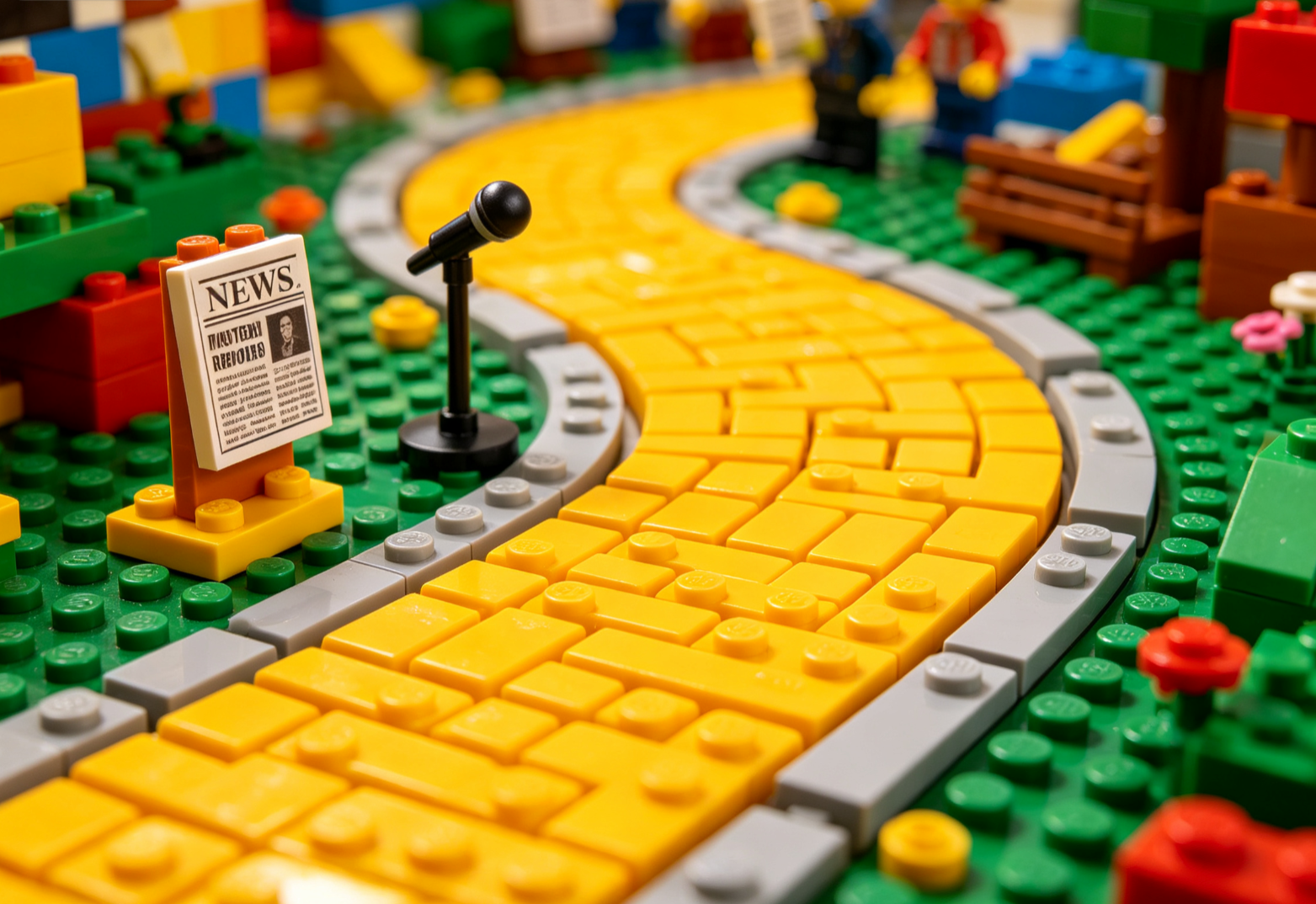
Build Your Own Yellow Brick Road Scene with LEGO-Compatible Bricks!
Learn how to build a stunning Yellow Brick Road scene with LEGO-compatible bricks, step by step, including materials, design tips, and common mistakes to avoid.
2026 Buying Guides
Building a Goodbye Yellow Brick Road Scene, Brick by Brick
Learn how to build a Goodbye Yellow Brick Road-inspired brick scene step by step, from curved road techniques to landscaping and centerpiece ideas.# Building a Goodbye Yellow Brick Road Scene, Brick by Brick